Tesla's long-held aspirations for a fully autonomous ride-hailing network have taken a significant stride forward. The company has secured authorization from the State of Texas to operate driverless vehicles commercially, a pivotal development following the recent enactment of Senate Bill 2807. This legislation, effective from May 28, 2026, establishes a statewide regulatory framework that mandates official authorization from the Texas Department of Motor Vehicles for any entity seeking to deploy automated vehicles for commercial purposes on public roads. This regulation specifically encompasses SAE Level 4+ autonomous operations for both passenger transport, commonly referred to as Robotaxis, and freight services.
The new regulatory landscape in Texas allows companies like Tesla to self-certify their autonomous driving technology and vehicles, provided they adhere to a strict set of guidelines. These include operating in full compliance with all Texas traffic laws, maintaining current vehicle registration, title, and insurance, utilizing approved automated driving systems, and meticulously recording onboard activity. Furthermore, protocols must be in place to safely manage system failures and glitches. This self-certification process significantly streamlines the approval pathway, removing potential bureaucratic delays and accelerating the path to commercial deployment for advanced autonomous driving systems. The authorization signifies that Tesla is now positioned to potentially launch its commercial Robotaxi services within the state.
Advancements in Autonomous Vehicle Deployment
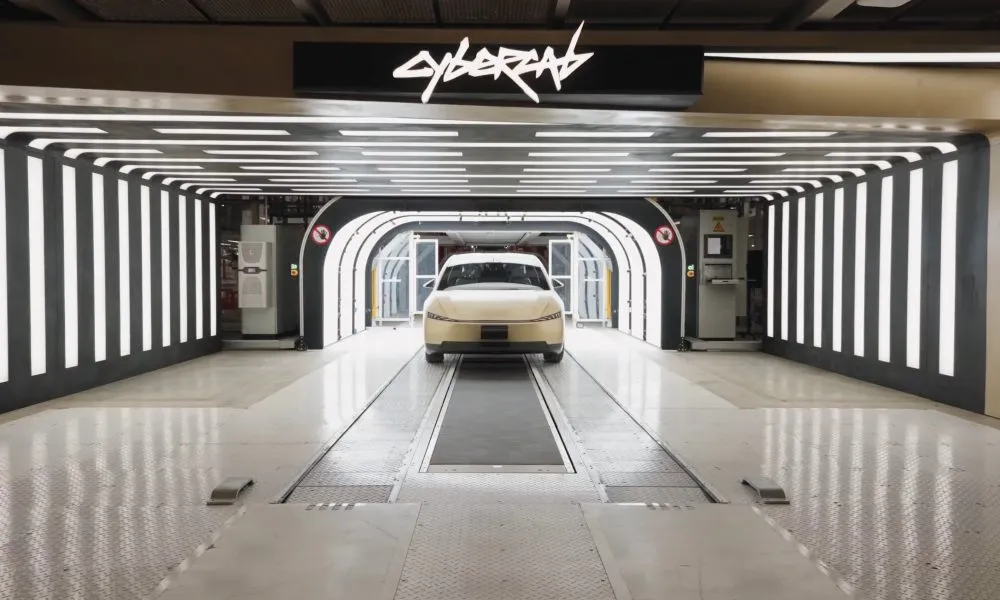
The authorization granted by Texas is a critical step, but Tesla's progress is further underscored by recent visual evidence. On the same day the regulatory news broke, Elon Musk, CEO of Tesla, shared a video showcasing Tesla's Cybercab units autonomously navigating their way out of the Gigafactory Texas. This footage offers tangible proof of the production-ready status of these vehicles and their inherent autonomous capabilities directly from the manufacturing site. Mass production of the Cybercab commenced at the Giga Texas facility in April, and these vehicles are now demonstrating the ability to operate independently as they leave the factory premises.
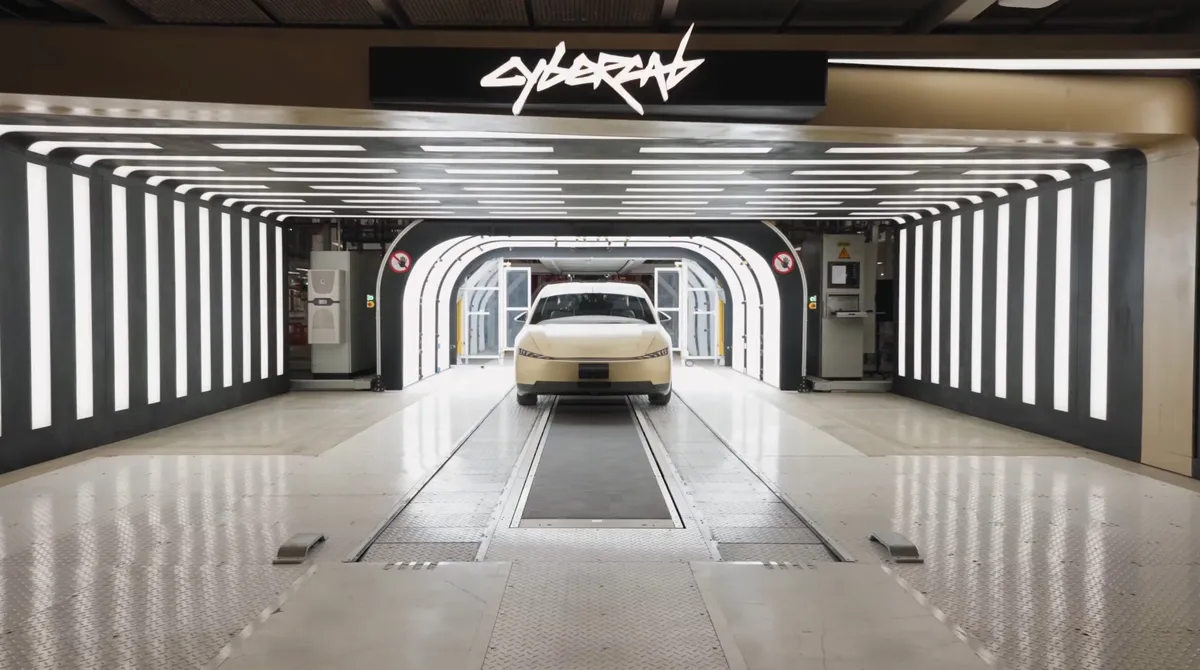
This development closely follows the start of mass production for the Cybercab, which began in April at the Giga Texas plant. The sight of these vehicles driving themselves off the production line is a powerful testament to the advancements Tesla has made in its autonomous driving technology and manufacturing processes. It signifies a crucial moment in the broader narrative of the Cybercab, moving from concept and development to tangible, operational deployment.
Regulatory Framework and Self-Certification
Senate Bill 2807, passed by the 89th Texas Legislature, is designed to create a clear and efficient pathway for the commercial deployment of autonomous vehicles. By allowing companies to self-certify, the state aims to foster innovation while ensuring safety and accountability. The bill's provisions require companies to demonstrate adherence to Texas traffic laws, maintain necessary documentation and insurance, and employ certified autonomous driving systems. The ability to self-certify means companies can expedite their entry into the market, provided they meet the established standards. This approach is seen as vital for encouraging the growth of the autonomous vehicle industry within Texas.
The framework established by Bill 2807 is comprehensive, covering aspects from vehicle operation to system safety. Companies must not only ensure their vehicles comply with traffic regulations but also maintain detailed records of onboard operations and have robust plans for handling any system anomalies or failures. This regulatory environment is designed to build public trust and ensure that autonomous vehicles are integrated safely into the existing transportation infrastructure. Tesla's authorization under this new bill positions it as a frontrunner in the commercial application of its autonomous driving technology.
Cybercab Production and Autonomous Mobility
The video shared by Elon Musk, showing Cybercabs driving autonomously from Gigafactory Texas, is more than just a visual demonstration; it represents the culmination of years of development and significant investment in autonomous technology and manufacturing. The fact that these vehicles are already being produced in volume and can exit the factory under their own power indicates a high degree of readiness for commercial service. This capability is fundamental to the concept of a robotaxi service, where vehicles must operate reliably and independently.
The production of the Cybercab at Giga Texas, combined with the state's new regulations, creates a synergistic environment for advancing autonomous mobility. Tesla's integration of manufacturing and autonomous systems development at a single, large-scale facility like Giga Texas allows for rapid iteration and deployment. The transition from pilot programs and testing to commercial operations is a complex process, and these recent developments suggest Tesla is well-positioned to navigate this transition effectively, bringing its vision of autonomous ride-hailing closer to widespread reality.
Impact Analysis
The granting of commercial driverless operating authority to Tesla in Texas is a landmark event with significant implications for the future of transportation. It not only validates Tesla's technological advancements in autonomous driving but also sets a precedent for other states to consider similar regulatory frameworks. The ability for companies to self-certify, when coupled with robust safety and operational requirements, could accelerate the adoption of autonomous vehicles nationwide and globally. This regulatory shift is expected to spur further investment and innovation in the autonomous driving sector, potentially reshaping urban mobility, logistics, and the automotive industry as a whole. The successful deployment of Tesla's Robotaxi service could usher in a new era of transportation services, impacting everything from urban planning to employment in the ride-sharing sector.