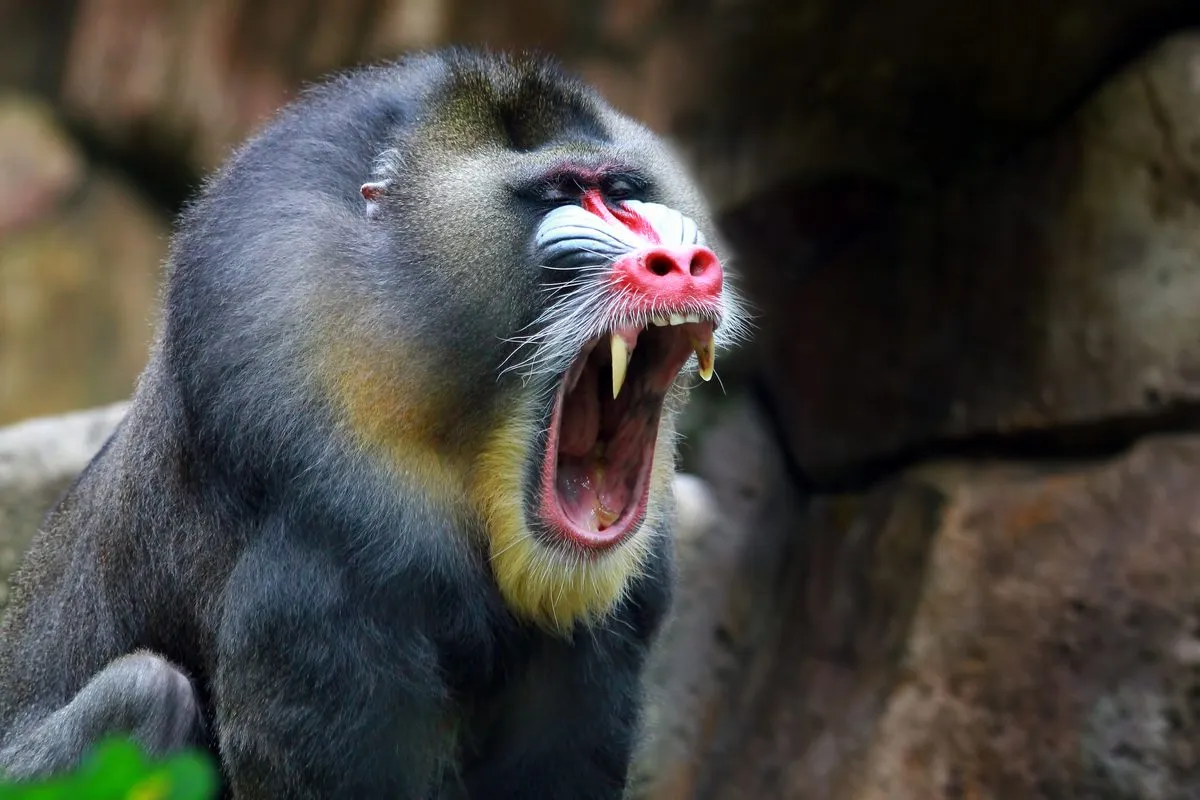
New research indicates that the size of the amygdala, a brain region, is directly associated with social tolerance levels in macaque monkeys. Contrary to previous beliefs that a larger amygdala implies more aggression, this study suggests it acts as a vital social hub, facilitating complex relationships and impulse control. Species exhibiting higher social tolerance possess significantly larger amygdalae than their more aggressive counterparts.
The investigation further revealed distinct developmental patterns. Tolerant macaques are born with larger amygdalae that decrease with age, while intolerant species start with smaller ones that grow over time. This points to a complex interplay of innate factors and social influences shaping brain structure and social behavior throughout an individual's life. The hippocampus, by contrast, showed no consistent link to social tolerance.