Europe, a continent renowned for its economic powerhouses, also hosts a spectrum of nations grappling with lower per capita income. Analyzing Gross Domestic Product (GDP) per capita based on purchasing power parity (PPP) for 2025, as estimated by the International Monetary Fund (IMF), reveals significant economic disparities. PPP adjusts for cost of living variations, offering a more accurate comparison of living standards. This analysis highlights recent shifts, including Ukraine's severe economic contraction due to the ongoing conflict and Kosovo's emergence among the continent's less affluent countries. Notably, Bulgaria and Greece have shown economic progress, moving out of the previously identified bottom ten.
The economic landscape of Europe is complex, influenced by historical transitions, geopolitical events, and integration processes. Countries emerging from state-controlled economies in the 1990s, particularly in the post-Yugoslav and post-Soviet regions, often face ongoing challenges in institutional reform and rule of law, impacting their economic standing. Conflict, such as the war in Ukraine, has devastating and immediate economic consequences, while unresolved political structures, as seen in Bosnia and Herzegovina, can lead to prolonged stagnation. Conversely, EU membership has historically correlated with economic convergence, with nations that joined the bloc in recent decades experiencing substantial growth, though the pace varies.
The 10 Poorest Countries in Europe by GDP Per Capita (PPP, 2025 Estimates)
The International Monetary Fund's World Economic Outlook (October 2025 release) provides the following estimates for GDP per capita on a purchasing power parity basis for the ten lowest-ranking European nations:
- 1. Moldova: Approximately $19,700
- 2. Kosovo: Approximately $20,400
- 3. Ukraine: Approximately $21,000
- 4. Bosnia and Herzegovina: Approximately $22,800
- 5. Albania: Approximately $25,600
- 6. North Macedonia: Approximately $24,300
- 7. Belarus: Approximately $25,500
- 8. Serbia: Approximately $28,500
- 9. Montenegro: Approximately $31,000
- 10. Bulgaria: Approximately $36,000
All figures represent GDP per capita on a purchasing power parity (PPP) basis, expressed in international dollars.
1. Moldova: Agricultural Economy and EU Aspirations
Moldova continues to hold the lowest GDP per capita ranking in Europe. Its economy is predominantly agricultural, with wine being a key export. The nation is heavily reliant on remittances from its significant diaspora, which plays a crucial role in household consumption. An estimated quarter of the working-age population resides abroad, primarily in countries like Romania, Italy, Russia, and Israel. Under President Maia Sandu, Moldova has pursued reforms and achieved EU candidate status in June 2022, with accession negotiations commencing in June 2024. Challenges persist, including the unresolved Transnistria conflict and its impact on fiscal stability and energy supply, as well as managing inflation.
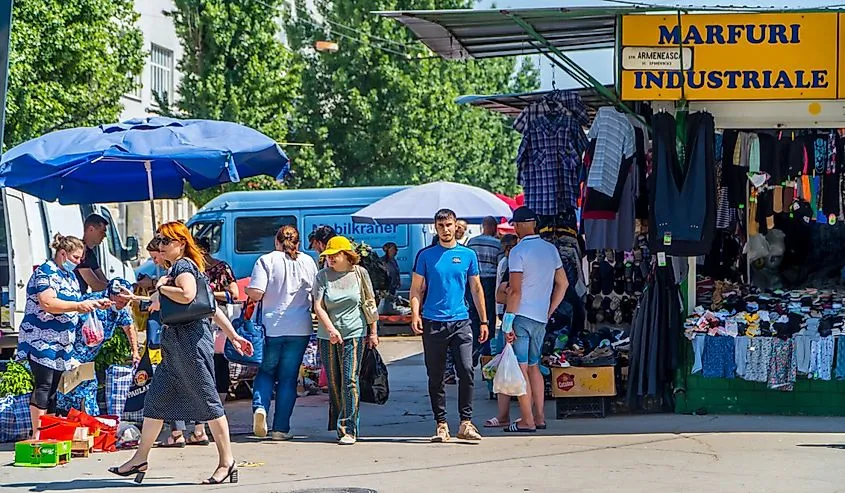
The economic vulnerability is compounded by external factors, such as fluctuations in global energy prices and the geopolitical implications of its proximity to the conflict in Ukraine. While progress in reforming state institutions and strengthening the rule of law is evident, sustained economic development requires further structural reforms and increased foreign investment, which is often hampered by political uncertainties and the unresolved Transnistria issue.
2. Kosovo: Young Nation, High Youth Unemployment
Kosovo, which declared independence from Serbia in 2008, faces economic hurdles despite a growing services sector. Remittances from its diaspora, concentrated in Germany, Switzerland, and Austria, significantly contribute to its GDP. While real GDP growth has been steady in recent years, the country grapples with high youth unemployment, with a substantial portion of young people not engaged in employment, education, or training. Kosovo's limited international recognition poses a significant challenge, restricting its access to international financial institutions and impeding foreign investment.
The economy is characterized by a substantial informal sector and a heavy reliance on construction and retail. Efforts to formalize the economy and attract direct foreign investment are underway, supported by a growing tech-savvy youth population. However, the persistent issue of limited diplomatic recognition and ongoing tensions with Serbia continue to cast a shadow over its long-term economic prospects and integration into regional and European frameworks.
3. Ukraine: Devastation and Reconstruction Amidst War
Ukraine's economic standing has been profoundly impacted by Russia's full-scale invasion initiated in February 2022. The country experienced a significant GDP contraction in 2022, marking one of the steepest declines in Europe in decades. While a modest recovery has begun, it is constrained by ongoing infrastructure destruction, mass displacement of its population, and restricted access to vital industrial regions and ports. The estimated reconstruction costs are substantial, running into hundreds of billions of dollars. Ukraine, alongside Moldova, was granted EU candidate status in June 2022 and commenced accession negotiations in June 2024.
The resilience of the Ukrainian economy is being tested daily, with critical sectors like agriculture and manufacturing facing severe disruptions. Efforts are focused on maintaining essential services, supporting displaced populations, and laying the groundwork for future reconstruction. The international community's continued support is vital not only for humanitarian aid but also for the long-term rebuilding of Ukraine's economic infrastructure and capacity, which is essential for its eventual integration into the European Union.
4. Bosnia and Herzegovina: Political Structures and Stagnation
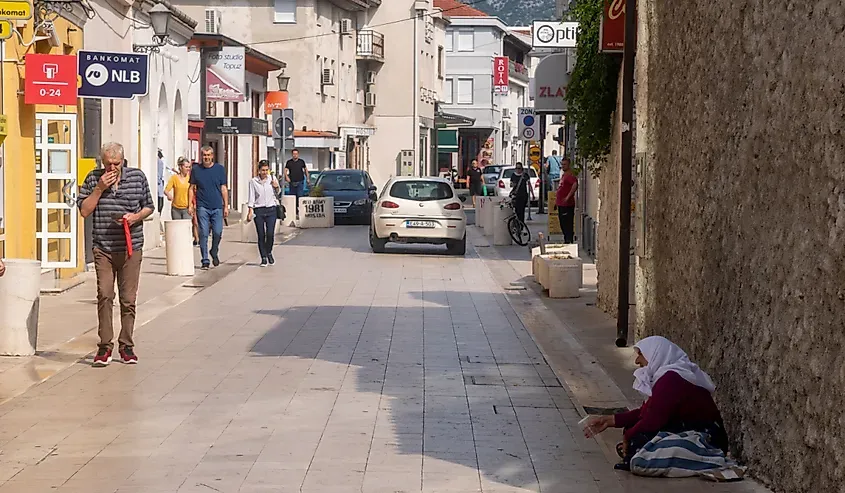
Bosnia and Herzegovina's economic development has been significantly hindered by its complex political structure established by the 1995 Dayton Agreement. This system, creating semi-autonomous entities and a cumbersome presidency, complicates the implementation of economic reforms. A considerable portion of the population lives near or below the national poverty line, with a high vulnerability to economic shocks. The economy relies significantly on remittances from its diaspora.
Despite being granted EU candidate status in December 2022 and opening accession negotiations in March 2024, political deadlock between its constituent entities continues to impede progress. Addressing systemic corruption, improving the business environment, and fostering greater economic cooperation between the entities are crucial steps for unlocking its economic potential and aligning with EU standards.
5. Albania: Tourism-Driven Growth and Structural Challenges
Albania has demonstrated robust economic growth in recent years, largely propelled by a burgeoning tourism sector. The country welcomed millions of international visitors in 2024, significantly boosting its economy. However, structural issues such as a rapidly aging population, emigration of skilled workers, and a substantial informal economy continue to present challenges to sustained productivity growth. Albania has been an EU candidate since 2014 and opened accession negotiations in July 2022, with its progress noted by EU officials.
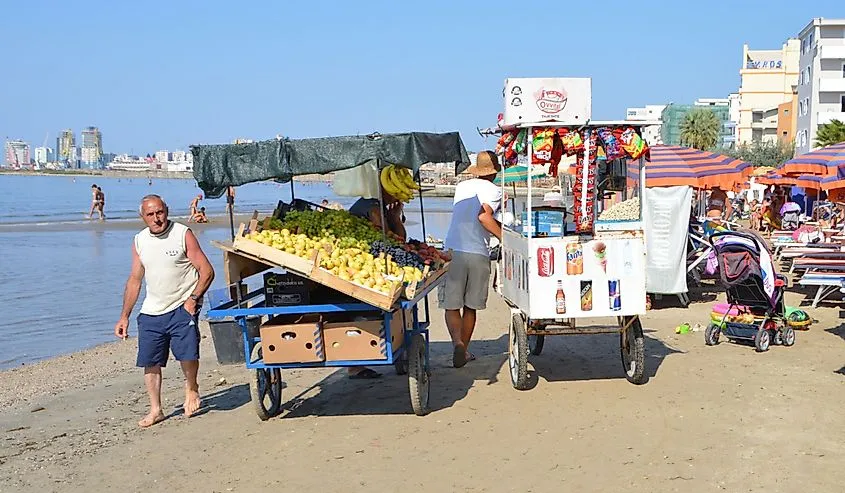
The government is focusing on modernizing its infrastructure to support tourism and attract foreign investment. Simultaneously, addressing the challenges of emigration and improving the rule of law are seen as critical for long-term economic stability and development, ensuring that the benefits of growth are broadly distributed across the population.
6. North Macedonia: Reforms and EU Integration
North Macedonia, following its name change in 2019 under the Prespa Agreement, has seen progress in its Euro-Atlantic integration, joining NATO in 2020 and opening EU accession negotiations in July 2022. Economic growth has been steady, supported by foreign investment in sectors like textiles, automotive components, and increasingly, tourism. Unemployment has decreased significantly from its peak.
The nation is working to diversify its economy and enhance its competitiveness. Key priorities include further strengthening the rule of law, combating corruption, and improving the business climate to attract more foreign direct investment. Continued engagement with EU accession reforms is expected to drive further economic modernization and development.
7. Belarus: Isolation and Sanctions
Belarus faces significant economic isolation due to its political alignment and its role in supporting Russia's invasion of Ukraine. International sanctions, particularly targeting its potash and petroleum exports, have forced a reorientation of trade towards Russia. The country's vital IT sector has been depleted by emigration since 2020. While nominal economic growth has been observed, real wages and purchasing power have not recovered to pre-2020 levels.
The Belarusian economy is heavily influenced by its relationship with Russia, which dominates its export markets. The long-term economic outlook remains uncertain, largely dependent on geopolitical developments and the potential easing of international sanctions. Diversification away from reliance on a single major trading partner and addressing the brain drain are critical challenges for future economic stability.
8. Serbia: EU Accession Path and Regional Role
Serbia, the largest economy among the former Yugoslav nations on this list, has a diversified industrial base with strengths in manufacturing, pharmaceuticals, and agriculture. It has attracted substantial foreign investment, including from Chinese, Russian, and German firms. However, its refusal to fully align with EU sanctions against Russia has complicated its EU accession process, with negotiations stalled.
The country is working to balance its political relationships while pursuing EU membership. Key reforms focus on strengthening the rule of law and economic governance. The normalization of relations with Kosovo remains a critical hurdle for its EU integration trajectory. Serbia's strategic location and industrial capacity position it as a key player in regional economic development, provided it can navigate its geopolitical complexities.
9. Montenegro: Tourism Dependence and EU Aspirations
Montenegro, a candidate for EU membership with most negotiating chapters provisionally closed, is heavily reliant on tourism, which accounts for a significant portion of its GDP. This dependence makes its economy vulnerable to external shocks and seasonal fluctuations. The country unilaterally uses the euro, limiting its monetary policy flexibility. Public debt remains a concern, and its small domestic market presents limitations for economic expansion.
The government aims for EU membership by 2028 and is focused on reforms to support economic stability and growth. Developing other economic sectors beyond tourism and managing public finances effectively are key priorities for ensuring sustainable development and achieving its accession goals.
10. Bulgaria: EU Member Navigating Economic Convergence
Bulgaria is the only current EU member state within Europe's bottom ten poorest economies by GDP per capita. While its income levels are the lowest among EU members, the country has shown significant economic growth since the 2010s. Bulgaria is set to adopt the euro in January 2026. Its economy is driven by manufacturing, IT services, and tourism.
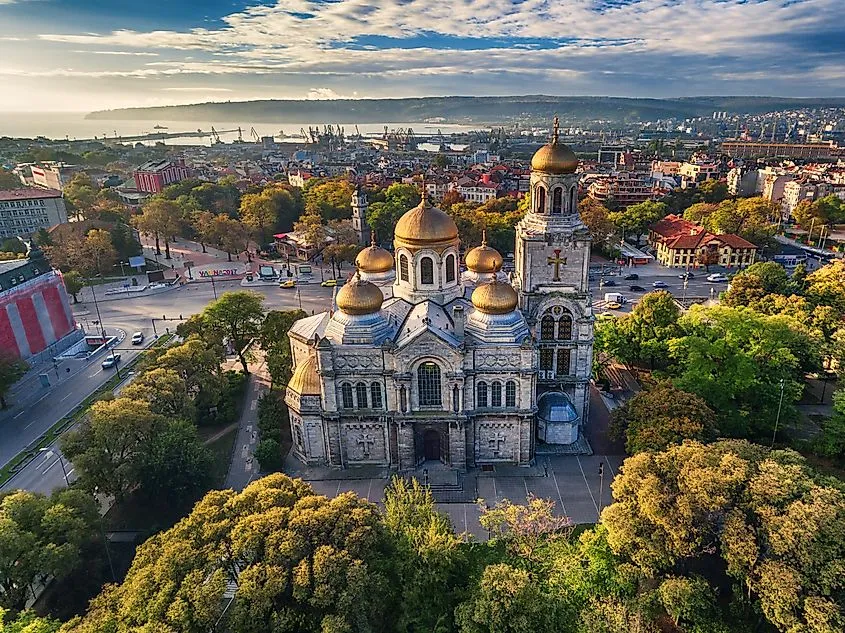
Despite its progress, a substantial percentage of the population lives below the national poverty line, highlighting persistent inequalities. Bulgaria's economic trajectory is closely tied to its integration within the EU, particularly with its eurozone accession, which is expected to further stabilize its economy and potentially boost investment and trade. Continued efforts to address poverty and foster inclusive growth are essential.
Transcontinental Countries: A Comparative Context
For comparative purposes, the IMF's 2025 GDP per capita (PPP) estimates for transcontinental countries spanning Europe and Asia are provided: Armenia ($25,800), Azerbaijan ($25,900), Georgia ($26,500), Russia ($43,800), Kazakhstan ($42,000), and Turkey ($46,800). If considered European, Armenia and Azerbaijan would rank among the middle-income countries, while Russia and Kazakhstan would fall between Bulgaria and Romania. Turkey's estimated GDP per capita would place it just below Romania.
Key Factors Shaping Europe's Economic Landscape
The disparities in European economic performance can be attributed to several critical factors. The legacy of post-communist transitions continues to influence economies that have undergone slower reforms in institutional development and the rule of law. Geopolitical events, such as the war in Ukraine, have had immediate and devastating economic consequences, underscoring the fragility of peace and stability. Furthermore, the process of EU integration acts as a significant driver of economic convergence; countries that have joined the EU since 2004 have generally seen substantial income growth, though the pace of this convergence varies.
The Western Balkan countries, currently EU candidates, generally operate at about 40% of the EU average GDP per capita. Projections suggest that at current growth rates, they may not reach the EU average for several decades. This highlights the ongoing need for structural reforms, investment in human capital and infrastructure, and deepened regional cooperation to accelerate their economic development and eventual integration into the broader European economic framework.
Impact Analysis
The persistent economic disparities across Europe present multifaceted challenges for regional stability and development. For the nations at the lower end of the GDP per capita scale, the path to convergence is arduous, requiring sustained internal reforms coupled with substantial external support. The ongoing conflict in Ukraine serves as a stark reminder of how geopolitical instability can reverse years of economic progress, with ripple effects across the continent.
Furthermore, the varying paces of EU accession and integration create a tiered economic landscape within Europe. While new member states have experienced significant catch-up growth, the Western Balkan candidates face a longer road to economic alignment. Addressing issues such as corruption, weak institutions, and brain drain is paramount for these nations to attract investment and foster sustainable development. The economic health of these less affluent nations is not merely an internal concern; it impacts broader European economic security, migration patterns, and geopolitical dynamics. Therefore, targeted economic aid, effective governance reforms, and a clear, albeit long-term, integration path remain critical for fostering a more prosperous and cohesive Europe.