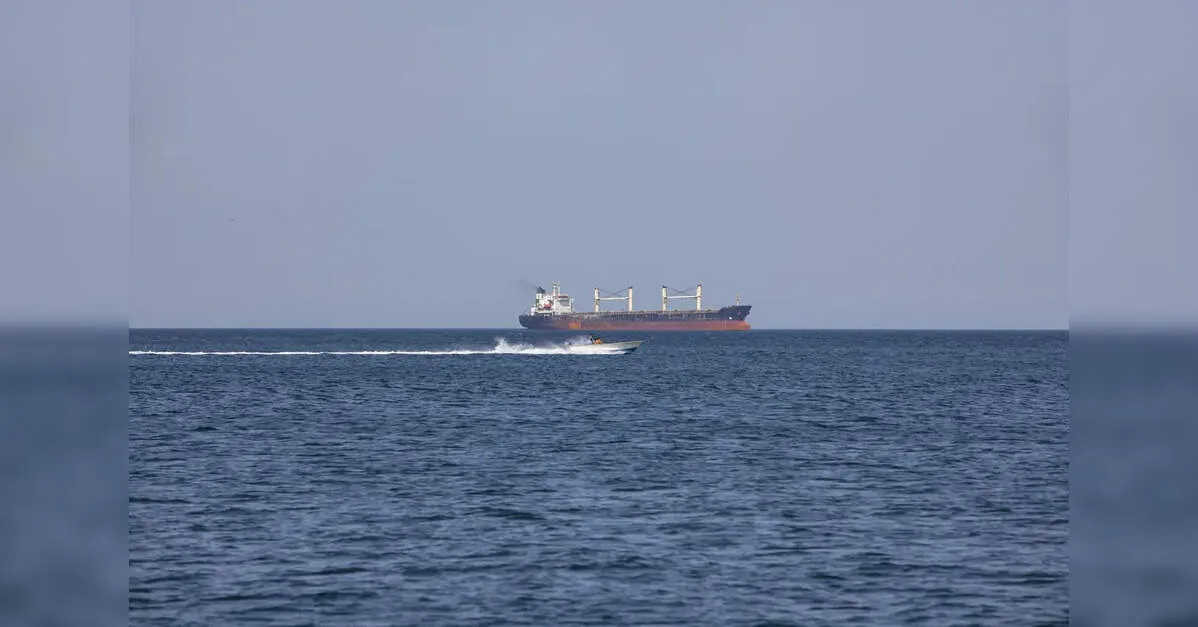
India faces a critical juncture in its economic strategy, necessitating a significant diversification of its trade routes. A recent report by EY (Ernst & Young) emphasizes the urgency for India to accelerate the development of alternative connectivity corridors, specifically highlighting the India-Middle East-Europe Economic Corridor (IMEC) and the Indo-Pacific route via the Malacca Strait. This strategic pivot aims to mitigate the nation's substantial reliance on the Strait of Hormuz, a vital but increasingly volatile chokepoint for global energy and trade flows. The current geopolitical climate, marked by instability in West Asia and shifting global economic dynamics, underscores the vulnerability of existing trade pathways.
The EY Economy Watch report for May underscores that India must proactively recast its growth strategy to safeguard its medium to long-term economic trajectory from potential disruptions. The analysis suggests that escalating pressures stemming from regional crises and evolving international trade architectures demand a robust and adaptable approach. By exploring and developing new logistical arteries, India can build resilience against unforeseen economic shocks and geopolitical vulnerabilities that could impact its supply chains and energy security. The report's findings come at a time when global trade patterns are undergoing significant transformations, making route diversification not just a prudent measure but an essential component of economic stability.
Strategic Imperatives for Trade Route Diversification
The EY report advocates for a comprehensive strategy to reduce India's dependence on the Strait of Hormuz. This includes actively pursuing and bolstering initiatives like IMEC, which envisions a multimodal transport network connecting India with Europe via the Middle East. Furthermore, strengthening trade through the Indo-Pacific corridor, which encompasses the Malacca Strait, is identified as a key element in this diversification effort. These alternative routes offer a more geographically dispersed and potentially more secure means of transporting essential commodities, including crude oil, which constitutes a significant portion of India's import needs.
Beyond the immediate need for route diversification, the report suggests several proactive measures to enhance economic resilience. These include potentially increasing strategic reserves for critical commodities such as crude oil, Liquefied Petroleum Gas (LPG), fertilizers, and essential medicines. The development of dual-use infrastructure is also recommended to better withstand unanticipated threats, whether biological or otherwise. Additionally, the report calls for a strategic re-evaluation and subsequent adjustment of policies aimed at achieving sustainable current account and fiscal balances, ensuring long-term economic stability.
Accelerating the Green Energy Transition and Indigenous Capabilities
A significant component of India's future economic strategy, as outlined by EY, involves an accelerated shift towards green and nuclear energy sources. This includes a focused effort on developing indigenous technologies, particularly in areas like Thorium-based nuclear power production. This push towards sustainable energy not only addresses environmental concerns but also contributes to reducing reliance on imported fossil fuels, thereby indirectly easing pressure on traditional trade routes. The report also emphasizes the importance of a sharper transition towards electric vehicles (EVs) as part of this broader energy diversification and decarbonization agenda.
The report acknowledges that India has already made progress in diversifying its petroleum sources, which has contributed to a reduced dependence on the Strait of Hormuz. However, it stresses that further diversification and acceleration of alternative trade routes are crucial. This proactive approach is necessary to insulate the Indian economy from the vagaries of international energy markets and geopolitical tensions that often impact the Strait of Hormuz. The development of IMEC and the Indo-Pacific corridor are presented as pivotal in this ongoing effort to secure India's energy needs and facilitate its trade growth.
Addressing Economic Vulnerabilities and Building Reserves
Given the volatile geopolitical landscape and unfavorable global economic developments, the EY report suggests that a substantial reorientation of economic policies may be required for India to maintain its growth momentum. Building larger reserves of crude oil and other primary commodities where import dependence is high is highlighted as a key measure. Such strategic reserves act as a buffer against sudden supply disruptions and price volatility, providing critical breathing room for economic planning and stability.
The report also calls for an accelerated pace in substituting crude oil with alternative energy sources, with a particular focus on greener alternatives. This strategy aligns with global trends towards sustainability and energy independence. Furthermore, enhancing the pace of exploitation of domestic oil finds could also contribute to reducing import reliance. These measures collectively aim to fortify India's economic foundation against external shocks and ensure a stable path towards achieving its long-term economic objectives, even amidst prevailing global uncertainties.
Impact Analysis
The EY report's findings carry significant implications for India's economic and foreign policy. By prioritizing the development of IMEC and Indo-Pacific trade routes, India signals a strategic intent to reduce its exposure to the geopolitical risks associated with the Strait of Hormuz. This diversification is not merely about securing energy imports; it's about reshaping India's role in global trade architecture, fostering stronger economic ties with partners along these new corridors, and enhancing its overall economic resilience. The emphasis on green energy and indigenous technology development further underscores a forward-looking approach to sustainable growth and self-reliance. Successfully implementing these strategies could lead to greater price stability for essential commodities, reduced vulnerability to international conflicts, and a more robust and diversified economy capable of weathering global storms.