The bathroom, often a sanctuary for personal care and relaxation, can surprisingly become a focal point for clutter. It's a common phenomenon: cabinets overflow, countertops become crowded, and the search for a specific item turns into a minor excavation. To combat this pervasive issue, professional organizers offer expert insights into which bathroom items are most frequently deemed unnecessary and are prime candidates for disposal. Streamlining these spaces not only enhances aesthetics but also improves functionality, making daily routines more efficient and enjoyable.
The cumulative effect of accumulating various personal care products, excess linens, and rarely used tools can transform a functional space into a source of stress. By systematically identifying and discarding these redundant items, individuals can reclaim valuable storage space and create a more organized, serene environment. This proactive approach to decluttering extends beyond mere tidiness, fostering a sense of control and calm within the home. As we delve into the recommendations from seasoned organizers, the focus remains on practical strategies for a more minimalist and efficient bathroom.
Items to Remove for an Organized Bathroom
The initial step in any effective decluttering process involves identifying the specific categories of items that contribute most significantly to bathroom disarray. Professional organizers emphasize that many of these items are held onto for reasons of habit or perceived future need, rather than actual utility. Addressing these categories can yield immediate and substantial improvements in organization and usability.
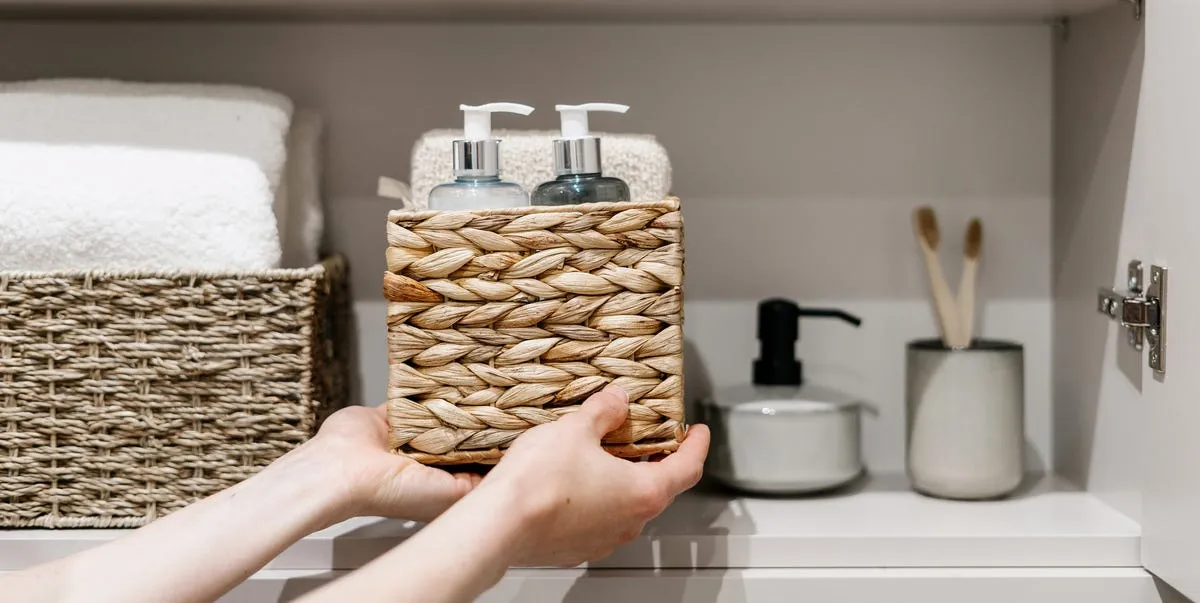
One of the most significant contributors to bathroom clutter is often the excess packaging associated with various products. Bulky cardboard boxes for items like toilet paper, or large plastic containers for cotton swabs, consume valuable shelf and cabinet space. Organizers suggest removing these items from their original packaging and decanting them into more aesthetically pleasing and space-saving containers. For instance, cotton rounds, bath salts, or even small toiletries can be transferred into attractive glass jars. This not only frees up space but can also contribute to a more spa-like ambiance, encouraging the user to engage more frequently with the products.
Product Packaging and Decanting
The practice of keeping items in their original, often oversized, packaging is a primary culprit in bathroom clutter. Organizers recommend a strategic approach: remove products like skincare serums, body lotions, and even cleaning supplies from their boxes. This action alone can dramatically increase available storage space. Furthermore, decanting items such as cotton rounds, floss picks, and bath salts into clear glass jars or canisters can transform the visual appeal of your bathroom storage. This method not only maximizes space efficiency but also offers a more curated and sophisticated look, akin to a high-end spa environment.
The act of decanting also serves a psychological purpose. When products are presented attractively and are easily accessible, individuals are more inclined to use them. Conversely, items hidden away in their original packaging, or those that have spilled from their containers, often get forgotten or overlooked. Therefore, embracing decanting as a decluttering strategy is a dual benefit: it reduces physical clutter and encourages the utilization of the products you own.
Free Cosmetic Samples and Unused Products
The allure of complimentary cosmetic samples, whether from beauty retailers or hotel amenities, is undeniable. However, professional organizers caution that these often become forgotten relics, tucked away in drawers and cabinets for extended periods. The intention to use them may be genuine, but the reality is that many samples go unused, contributing to clutter without providing any benefit.
It is crucial to evaluate these samples critically. If there is no realistic plan or desire to use them within a reasonable timeframe, they should be discarded. For unopened, good-condition samples or travel-sized products, consider donating them to local charities or homeless shelters, which often welcome such contributions. This offers a way to dispose of them responsibly while also benefiting others in the community. Similarly, personal care products that have been tried but not liked, such as half-used tubes of toothpaste or unwanted shampoos, should also be assessed for donation or disposal.
Duplicate Items and Seldom-Used Tools
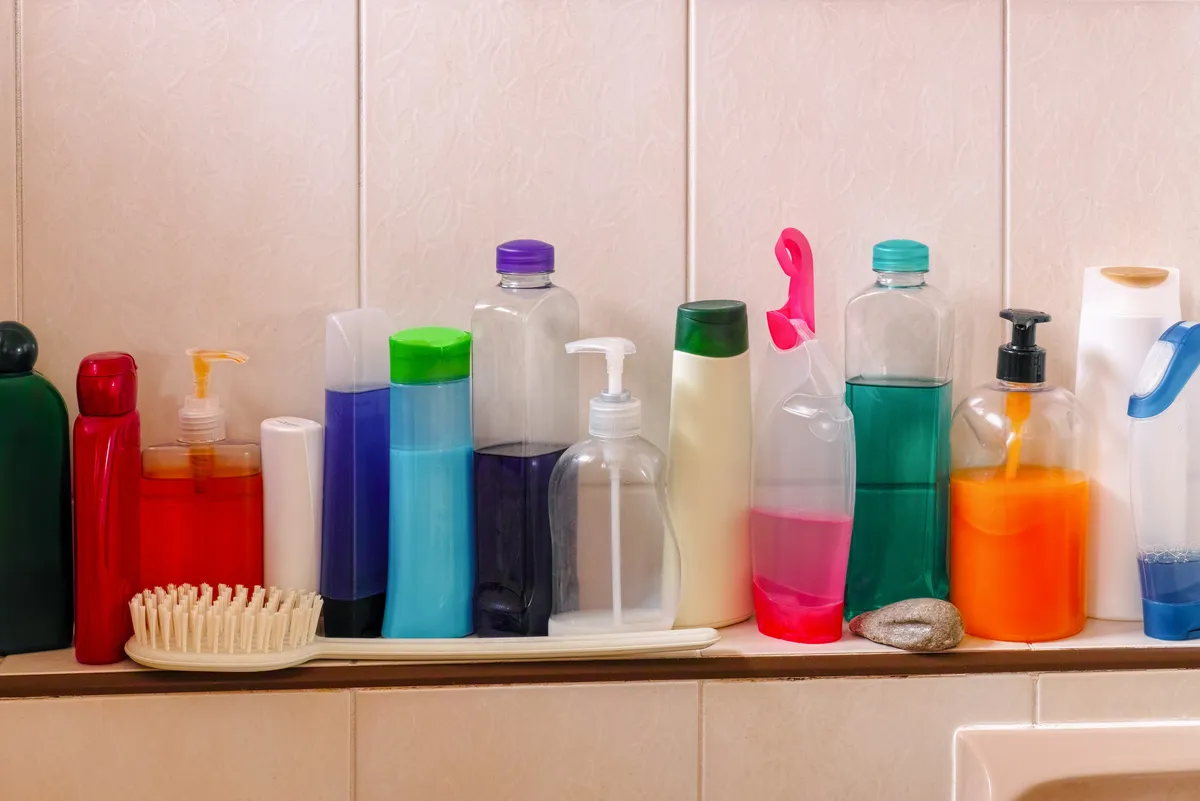
Many bathrooms harbor multiple instances of the same item, from hand soap dispensers to shampoo bottles. Organizers strongly advise purging these duplicates. For example, having more than one opened bottle of shampoo or conditioner that serves the same purpose is unnecessary and clutters prime real estate in shower caddies or under the sink. The same principle applies to toiletries, hair products, and even cleaning supplies.
Beyond duplicates, consider the frequency with which you use certain items. Hot styling tools, specialized grooming devices, or even extra sets of bath accessories that are rarely employed should be evaluated. If an item is not used regularly, it is likely contributing to unnecessary clutter. Before discarding, explore donation options. Many organizations accept gently used, working hot tools, and shelters are often in need of unopened toiletries. By minimizing to only the essentials you use daily, you reclaim valuable counter space and streamline your morning routine.
Expired Medications and Beauty Products
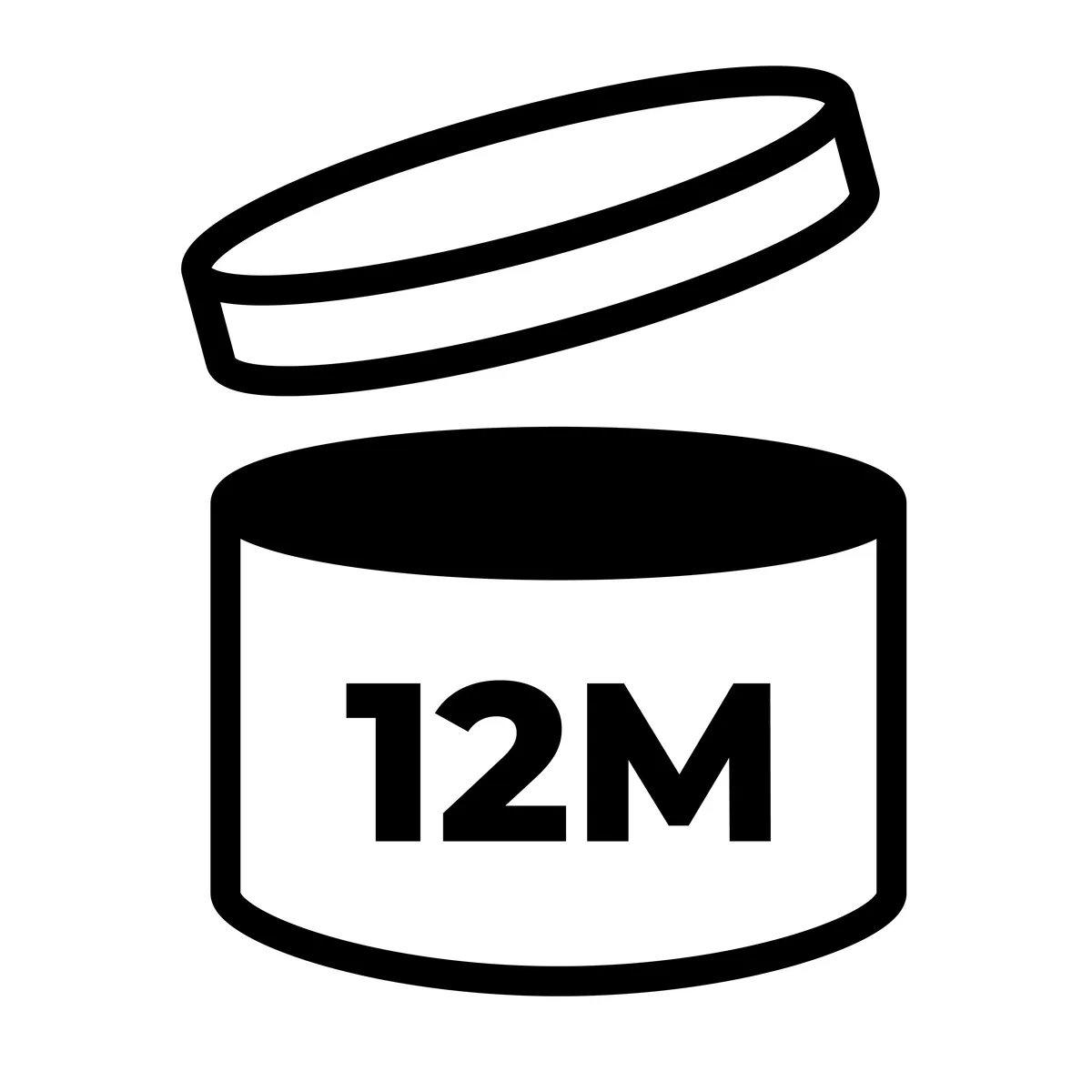
A critical, yet often overlooked, aspect of bathroom decluttering involves managing expired medications and beauty products. Medications, in particular, pose a risk when past their expiry date; they can lose potency or, in some cases, become harmful. Skincare and cosmetic items also have a limited shelf life. The Period After Opening (PAO) symbol, often found on product packaging, indicates how long a product remains safe and effective after it has been opened. Many beauty products, especially those for the eye area, have a PAO of just three months.
Using expired beauty products can lead to skin irritation, allergic reactions, or even bacterial infections, as they can harbor microorganisms over time. It is imperative to regularly check the expiration dates on all medications and beauty products and dispose of them appropriately. For medications, take-back programs at local pharmacies are the safest disposal method. Expired cosmetics and skincare should be discarded, following local guidelines for cosmetic waste.
Linens and Hygiene Tools
The lifespan of bathroom linens, such as bath towels, hand towels, and washcloths, is finite. Organizers generally recommend replacing these items every two years. Over time, towels lose their absorbency, become worn, and can accumulate bacteria and odors, particularly in humid bathroom environments. Frayed edges or a diminished ability to dry are clear indicators that replacement is due.
Similarly, hygiene tools like toothbrushes and razor blades require regular replacement to maintain effectiveness and hygiene. Toothbrushes should be replaced at least every three months, or sooner if the bristles become frayed. The bathroom environment, with its frequent moisture and proximity to the toilet, can harbor a significant amount of bacteria, making a clean toothbrush essential. Used razor blades also need frequent attention; replacing them after approximately seven uses, or when they begin to feel dull, prevents excessive pressure during shaving, which can lead to nicks and skin irritation. Storing razors properly, away from direct moisture, also helps prevent rust and bacterial growth.
The accumulation of old, worn-out towels and ineffective hygiene tools contributes to a less-than-optimal bathroom experience. Donating usable but old towels to animal shelters is a responsible option, while frayed ones can be repurposed as cleaning rags. Upgrading these essential items can significantly enhance both the functionality and the perceived comfort of your bathroom.
Impact Analysis
Implementing a rigorous decluttering strategy for the bathroom yields substantial benefits beyond mere visual tidiness. It directly enhances the functionality of the space, saving time and reducing frustration during daily routines. By removing expired products, duplicates, and seldom-used items, individuals create a more organized and hygienic environment. This process can also lead to cost savings by preventing the repurchase of items that were simply lost in clutter. Furthermore, a decluttered bathroom contributes to a greater sense of well-being and peace of mind, transforming a potentially chaotic area into a more serene and enjoyable personal space. The mindful disposal or donation of unwanted items also aligns with principles of sustainability and community support.