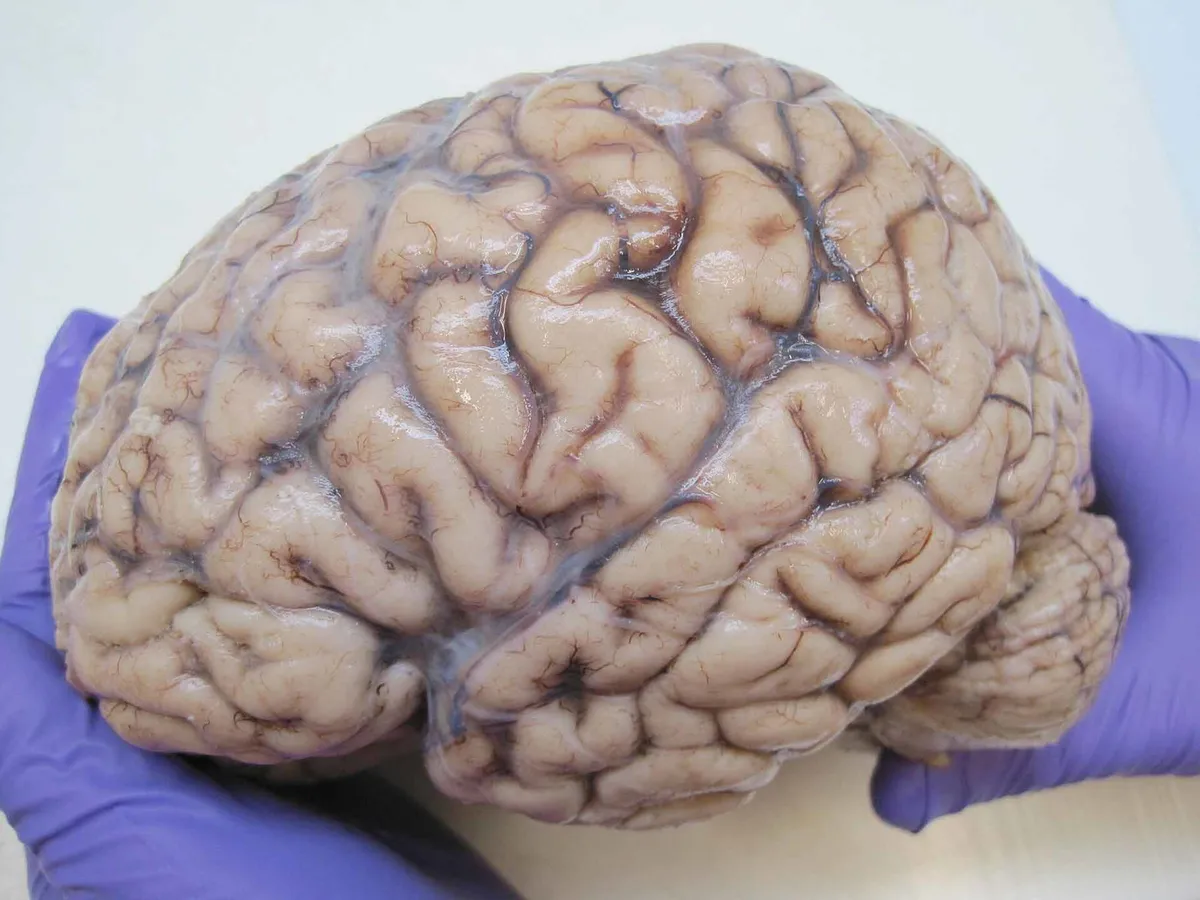
A medical startup, Bexorg, is at the forefront of a novel approach to drug development, utilizing post-mortem human brains to research treatments for neurodegenerative diseases. This innovative methodology builds upon previous successes in maintaining metabolic functions in pig brains, employing a specialized life-support system known as BrainEx. The system supplies donated organs with a blood substitute and essential fluids, while anesthesia is administered to suppress electrical activity, thereby preventing consciousness. This unique process allows researchers to study how experimental drugs are metabolized in a human brain environment without ethical concerns related to sentient experience.
The BrainEx system meticulously mimics vital organs, with artificial lungs providing oxygen and artificial kidneys filtering waste products. Fluids, data, and potential drug candidates are circulated through ports surgically attached to the brains. This controlled environment allows for detailed observation of drug efficacy and potential side effects on brain tissue. While the preserved brains have a limited functional window of approximately 24 hours before being dissected for further analysis, Bexorg asserts that this method offers a significant advantage over traditional models. The ability to study the effects of genetics, environmental factors, and drug history directly on human brain tissue provides a level of complexity difficult to replicate in computer simulations or cell cultures.
Revolutionizing Pharmaceutical Research with Human Brain Models
Bexorg has dedicated five years to developing this groundbreaking technique, with initial findings showing a strong correlation between the responses observed in their preserved brain models and those of living brains. While their published work to date has primarily focused on pig brains, the company anticipates releasing its first human brain study soon. This advancement arrives at a time when there is increasing pressure to reduce animal testing in pharmaceutical research, positioning Bexorg's methodology as a potentially more ethical and accurate alternative.
The company is significantly expanding its operations, with plans to establish new laboratory facilities capable of processing over 1,600 preserved brains annually through automated dissection. Bexorg's public relations efforts are focused on addressing potential public apprehension regarding the use of human brains. They have stated that families are fully informed about the intended use of the donated organs, aiming to ensure transparency and ethical conduct throughout their research process. The exact origin of the donated brains has not been publicly disclosed.
Bridging the Gap from Research to Clinical Application
The practical implications of Bexorg's research are becoming evident through a collaboration with Biohaven. This partnership is already moving towards clinical trials for a drug developed using data generated by Bexorg's preserved brain models. Biohaven reported significant findings from studies involving 130 preserved brains, noting that a much lower drug dosage than initially anticipated proved effective. This suggests the potential for more streamlined clinical trials, reduced side effects, and more accurate predictions of a drug's impact on actual human patients.
While the current focus is on drug testing, Bexorg sees potential for broader applications in studying complex diseases. They highlight that neurodegenerative conditions, which often do not heavily rely on electrical activity, could be particularly well-suited for study using the BrainEx platform. Despite the system's advancements, limitations remain, including the artificial nature of the life-support fluids and organs, and the inability to detect potential seizure activity due to the induced lack of electrical impulses.
Future Directions in Brain Research and Simulation
Looking ahead, Bexorg aims to extend the viability of its preserved brain models from 24 hours to two weeks, allowing for more extensive and in-depth investigations. Concurrently, they are developing NeuroLens, a machine-learning model designed for simulated drug testing. This dual approach underscores Bexorg's commitment to both highly realistic biological models and advanced computational tools in their quest to accelerate drug discovery and improve patient outcomes.