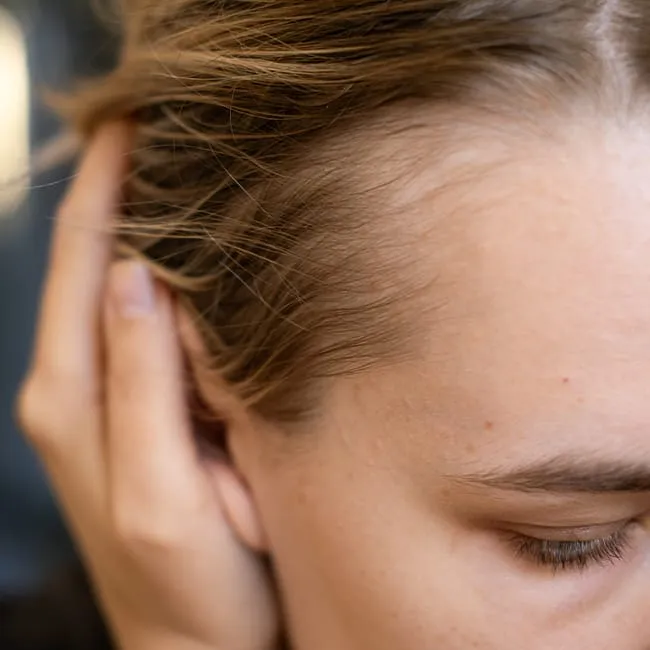
Hair loss is a common and often distressing experience for many women navigating perimenopause and menopause. This phase of life is characterized by significant hormonal shifts, primarily a decline in estrogen and progesterone. These fluctuations directly impact the hair growth cycle, leading to strands spending less time in the active growth phase and more time in shedding. Concurrently, the relative increase in androgens can result in noticeable thinning, particularly along the crown or a widening of the hair part. Compounding these hormonal changes are common menopausal symptoms such as disrupted sleep, elevated stress levels, and metabolic alterations, all of which can further exacerbate hair thinning and reduce hair density.
A comprehensive approach is often most effective in managing menopausal hair loss. Lifestyle adjustments, including stress reduction techniques to manage cortisol levels, and a nutrient-dense diet rich in protein, iron, and essential fatty acids, can provide the foundational support hair follicles need. However, targeted supplementation can play a crucial role in bridging nutritional gaps and supporting healthier hair growth during this transitional period. Experts highlight specific vitamins and minerals that may promote robust growth and mitigate excessive shedding.
Supplements Recommended for Menopausal Hair Loss
Understanding the unique physiological changes during menopause is key to addressing hair thinning effectively. The decline in key hormones not only affects the hair cycle but also influences nutrient absorption and utilization. Therefore, strategically chosen supplements can offer targeted support by addressing specific deficiencies or physiological pathways involved in hair health.
1. Creatine for Hair Follicle Energy
Creatine, widely recognized for its benefits in muscle strength and energy production, also shows potential in supporting hair health. Hair growth is an energy-intensive process, and creatine's role in facilitating adenosine triphosphate (ATP) production at the cellular level can enhance the efficiency of hair follicles. By boosting cellular energy, creatine may enable follicles to function optimally, potentially leading to improved hair growth. While some research has explored creatine's interaction with dihydrotestosterone (DHT), a hormone linked to pattern hair loss, the evidence, particularly concerning its impact on menopausal women, remains limited. For women experiencing concurrent issues like fatigue and metabolic changes during midlife, creatine might offer broader benefits that contribute to overall vitality, indirectly supporting healthy hair growth.
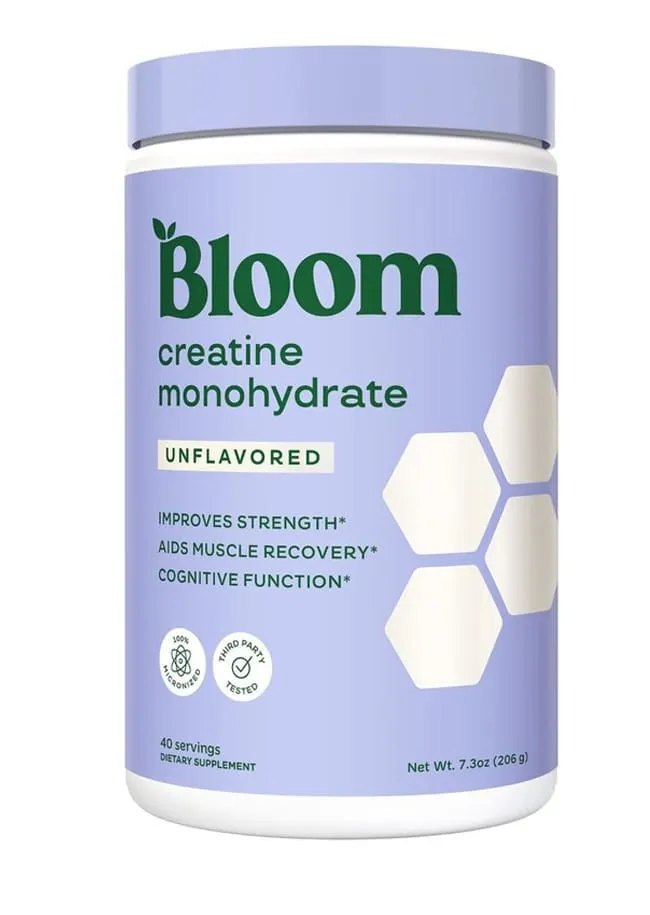
The benefits of creatine extend beyond just muscle development. Its ability to improve cellular energy can be a crucial factor for processes that require significant metabolic activity, such as the rapid cell division occurring in hair follicles. As estrogen levels decrease, the body's overall energy metabolism can be affected, making energy support through supplements like creatine a relevant consideration for maintaining bodily functions, including robust hair growth.
2. Magnesium for Stress and Sleep Regulation
Magnesium is a vital mineral involved in numerous bodily functions, including the regulation of the body's stress response, sleep quality, and protein synthesis, all of which are intrinsically linked to hair health. Elevated cortisol, the primary stress hormone, can prematurely push hair follicles into the telogen (shedding) phase. Magnesium's ability to support a more balanced nervous system and promote healthier sleep patterns can be particularly beneficial during menopause, a period often marked by disrupted sleep and heightened stress. Furthermore, magnesium plays a role in energy production and is essential for activating vitamin D, making it a synergistic partner for vitamin D supplementation. While not a standalone solution for menopausal hair thinning, ensuring adequate magnesium intake can contribute to greater physiological balance, fostering an environment conducive to steady and healthy hair growth.

The intricate connection between stress, sleep, and hair health cannot be overstated. Magnesium helps to modulate the hypothalamic-pituitary-adrenal (HPA) axis, which is the body's central stress management system. By promoting relaxation and improving sleep architecture, magnesium can mitigate the negative impact of chronic stress on the hair cycle. Its role in protein synthesis is also critical, as hair itself is primarily composed of keratin, a protein that requires amino acids synthesized with the help of magnesium.
3. Omega-3 Fatty Acids for Inflammation and Scalp Health
Omega-3 fatty acids, predominantly found in sources like fish oil, are well-known for their potent anti-inflammatory properties. This effect is beneficial throughout the body, including the sensitive microenvironment around hair follicles. Hormonal shifts during menopause can contribute to increased systemic inflammation and dryness of the scalp, both of which can exacerbate hair shedding and result in hair that appears dull and brittle. Omega-3s help to combat this by promoting scalp hydration, improving blood circulation to the scalp, and potentially extending the anagen (growth) phase of the hair cycle. Beyond hair health, omega-3 fatty acids are also crucial for supporting cardiovascular and cognitive function, making them a valuable supplement for overall well-being during midlife.
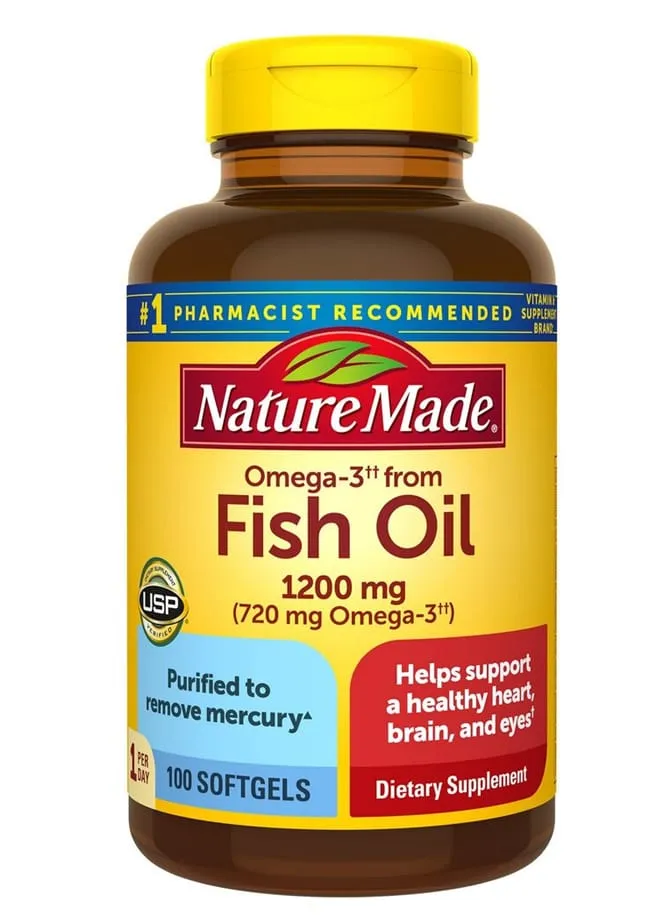
The anti-inflammatory action of omega-3s is particularly relevant given that inflammation can compromise the health of the dermal papilla cells, which are essential for hair follicle function and growth. By reducing inflammation, omega-3s create a healthier scalp environment. Improved circulation ensures that hair follicles receive a more consistent supply of oxygen and nutrients, further supporting robust hair growth and improving the overall quality and appearance of the hair. Their role in maintaining cell membrane integrity also contributes to healthier, more resilient hair strands.