Agriculture Secretary Brooke Rollins has directly attributed the recent emergence of the New World screwworm in the United States to the Biden administration's border policies. Speaking before the Senate Agriculture, Nutrition and Forestry Committee, Rollins stated that the pest's migration northward was facilitated by what she termed "open-border policies" and a lack of stringent crackdowns by Mexican authorities. She emphasized that this situation allows for the potential transportation of infested livestock and pets across borders, thereby spreading the threat.
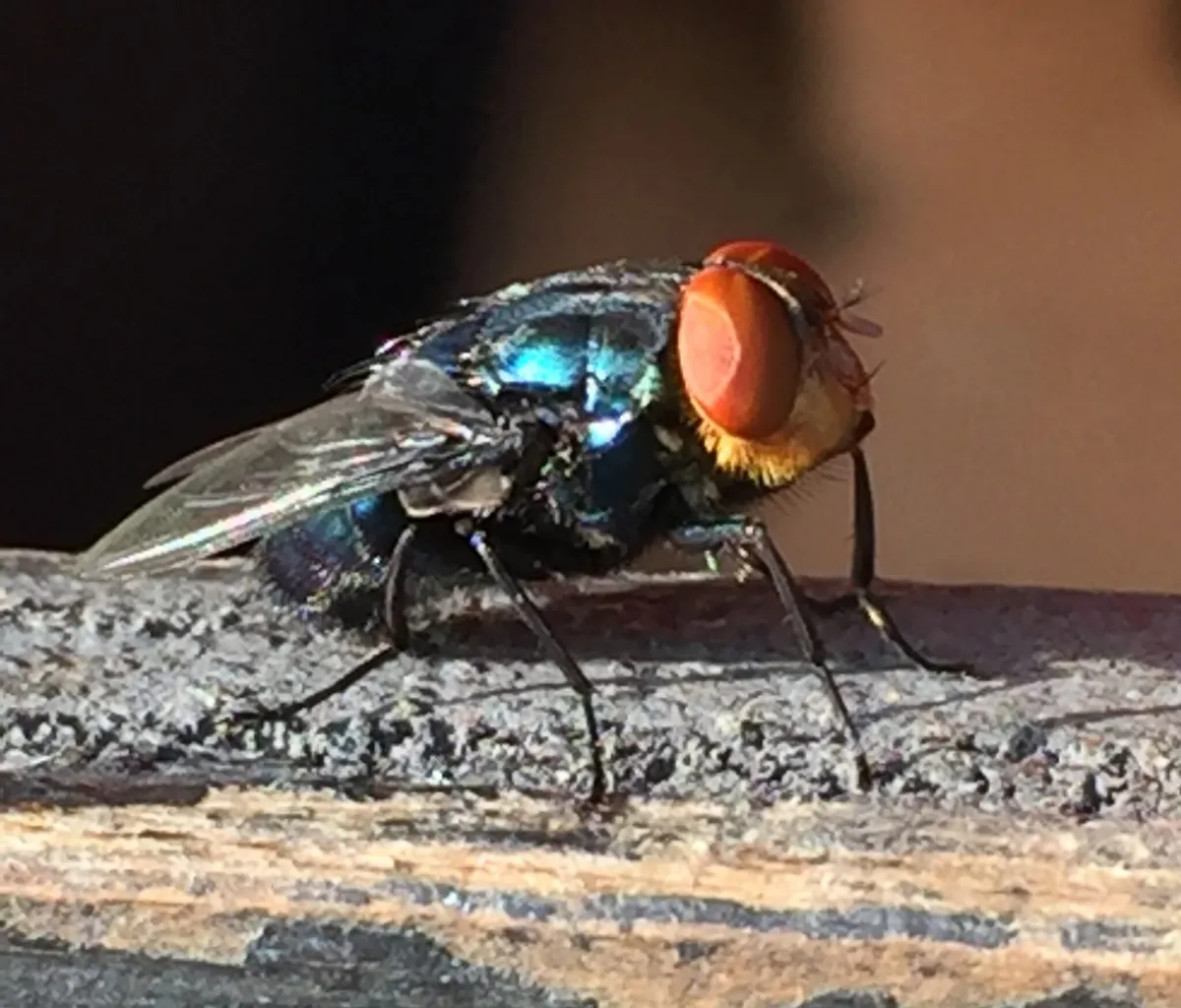
The New World screwworm, a parasitic fly, poses a significant danger to livestock, particularly cattle. Its lifecycle involves laying eggs on other animals, with the hatched larvae feeding on the host's flesh, potentially causing severe injury or death. This pest had been successfully eradicated from the U.S. in 1966, making its reintroduction a matter of considerable concern.
Screwworm Infestation and Policy Debate
Secretary Rollins reported that as of her testimony, six confirmed cases of the New World screwworm had been identified within the U.S., with five cases located in South Texas and one in New Mexico. This resurgence has ignited a debate regarding the effectiveness of current agricultural and border security measures. Rollins reiterated her stance, stating, "Everyone took their eye off the ball years ago, and unfortunately, because of the border policies, it’s coming our way."
During the committee hearing, the focus shifted to the capacity of the U.S. Department of Agriculture (USDA) to manage this escalating threat. While agreement existed on the necessity of eradicating the screwworm, some lawmakers raised concerns about recent administrative decisions impacting the USDA's operational capabilities. These concerns included potential repercussions of staff reductions and reorganizations within the department.
USDA Staffing and Resource Allocation
Senator Amy Klobuchar, the committee's ranking member, expressed apprehension regarding the impact of recent layoffs at the USDA on its ability to address critical issues like the screwworm. She highlighted that the Animal and Plant Health Inspection Service (APHIS) had experienced a significant reduction in staff, losing approximately 25% of its workforce, including over 300 veterinary services employees. "Clearly, we need a long-term response," Klobuchar stated, questioning how departmental reorganizations and cuts might affect the USDA's long-term strategies for pest control.
Data from the Office of Personnel Management indicates that the USDA has lost over 21,000 employees since the beginning of last year, representing one of the largest decreases among federal agencies. However, Secretary Rollins countered these concerns by asserting that the number of staff specifically dedicated to screwworm prevention has significantly increased. She reported that the USDA had expanded its screwworm prevention team from 10 full-time staff members at the start of last year to over 120 currently. Furthermore, the department has allocated $1.3 billion to combat the screwworm, underscoring a prioritization of significant threats.
Pest Control Strategies and Food Safety
The USDA's strategy for combating the screwworm involves a multifaceted approach, including the breeding and release of sterile screwworm flies. This method aims to reduce the reproductive capacity of the pest population. The U.S. is currently producing approximately 100 million sterilized flies per week, with a target of increasing production to 500 million per week to achieve eradication. Rollins also addressed concerns about food safety, emphasizing that the screwworm poses no threat to the human food supply.
"The food supply is 100% safe," Rollins reassured the committee. "This is not a disease. It’s not a virus. It’s a fly." She clarified that the primary risk is to livestock health and agricultural economies, not to consumers. The agency's internal projections had anticipated the screwworm's arrival in the U.S. by the previous summer, but proactive measures, such as closing southern border ports to livestock trade last summer, are credited with slowing its entry. 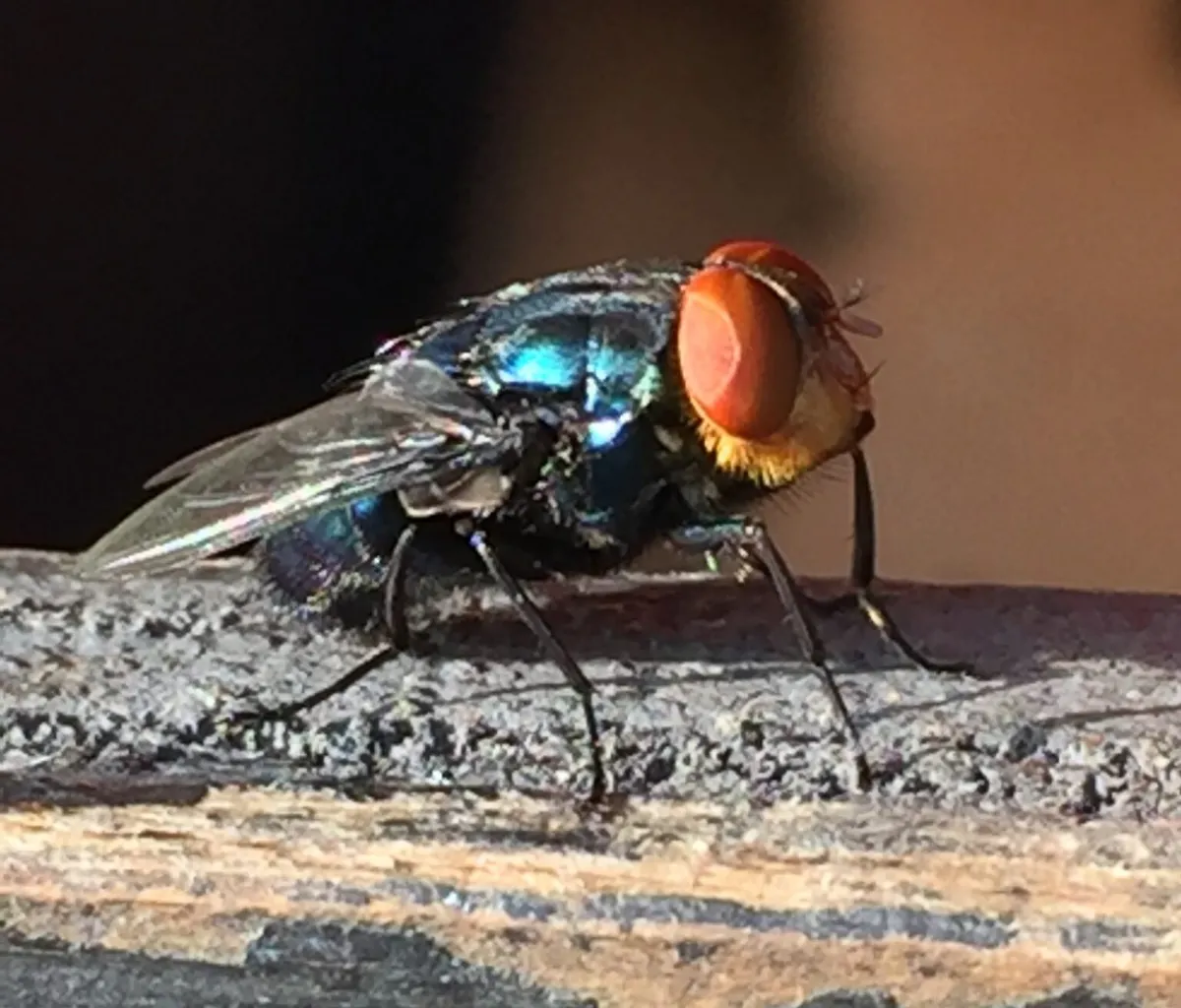
Impact Analysis
The renewed presence of the New World screwworm highlights the complex interplay between public health, agricultural economics, and immigration policy. The USDA's efforts to combat this pest underscore the critical need for robust funding and staffing for animal and plant health inspection services. The ongoing debate surrounding border policies and their perceived impact on agricultural threats indicates a significant political dimension to the issue, potentially influencing future resource allocation and international cooperation on pest management. The successful eradication of this pest will require sustained investment and a coordinated strategy that addresses both the biological and geopolitical factors contributing to its spread.