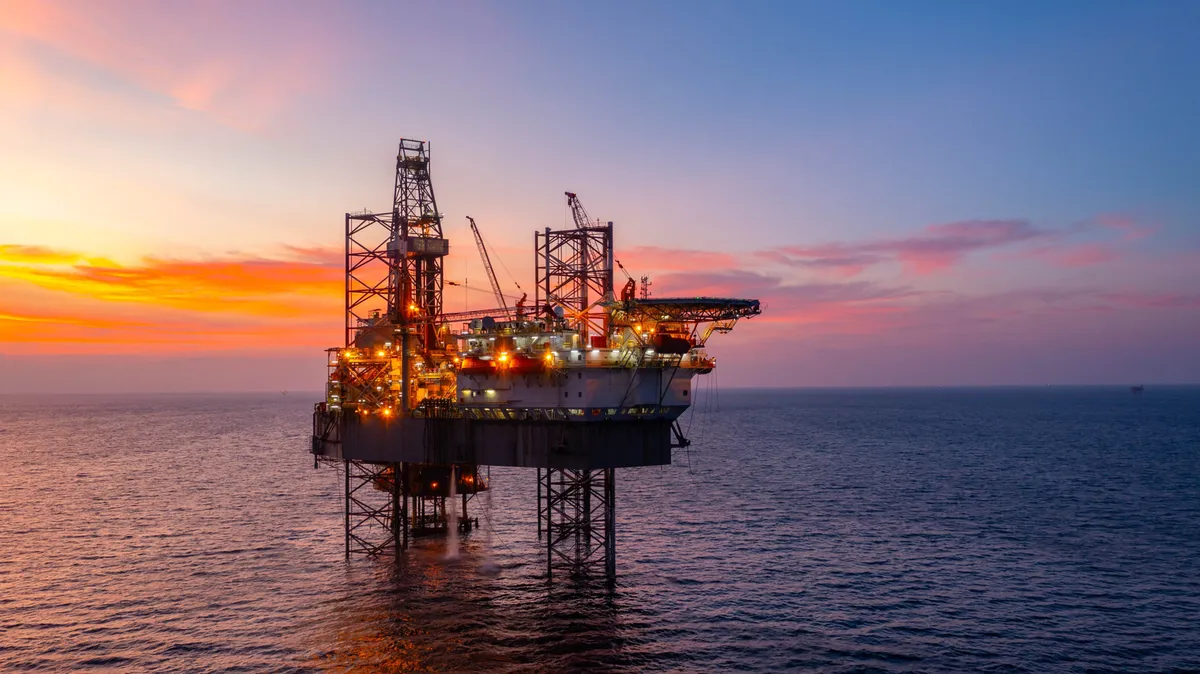
Offshore oil and gas extraction stands as a deeply contentious facet of the global energy landscape. While proponents highlight its substantial contributions to national economies, particularly within the vast ocean economy, critics voice significant concerns over its environmental footprint. The economic benefits are indeed substantial, accounting for a significant portion of the trillions generated annually by marine-related activities. However, the full spectrum of negative impacts extends far beyond the commonly understood issue of water pollution, encompassing profound effects on marine ecosystems, coastal communities, and the very governance of ocean territories.
A comprehensive analysis by marine scientists and policy experts reveals four primary areas of impact stemming from offshore drilling operations. These include direct disturbances to marine habitats and wildlife, potential adverse effects on coastal industries such as small-scale fisheries, and complex policy and governance challenges related to the occupation of ocean spaces and the sustainable management of marine resources. Understanding these multifaceted consequences is crucial for a balanced assessment of the industry's true cost.
The Multifaceted Impact on Marine Habitats and Wildlife
The operations associated with offshore oil and gas exploration and extraction pose a considerable threat to the delicate balance of marine environments and the myriad species that inhabit them, including vital marine mammal populations. The initial stages of exploration, for instance, involve seismic surveys that utilize high-energy, low-frequency sound waves to map the ocean floor. These powerful acoustic pulses can severely disrupt the natural behaviors of marine mammals, critically masking their ability to communicate, which is essential for social cohesion, mating, and navigation.
The installation of drilling infrastructure further exacerbates these issues. The physical presence of oil rigs and associated structures can fundamentally alter seabed habitats, disrupting food sources and migration patterns for marine life. Furthermore, the process of pile driving, a common construction technique for these platforms, generates persistent low-frequency noise that can interfere with marine mammal communication over vast distances. The constant traffic of planes and ships servicing these offshore operations also poses a threat, potentially startling marine mammals and causing them to abandon crucial feeding or breeding grounds. Beyond these ongoing disturbances, the ever-present risk of accidental oil spills, tragically exemplified by the Deepwater Horizon incident, presents a catastrophic threat. Such events release immense volumes of oil, leading to direct physical harm, inhalation injuries, and long-term habitat degradation for marine mammals and countless other species.
Coastal Communities and Governance Under Pressure
The concept of the 'blue economy,' which emphasizes sustainable and equitable ocean-related economic development, is increasingly being recognized as a vital framework for oceanic resource management. This encompasses industries like fisheries, tourism, and even the controversial oil extraction. However, the economic activities tied to offshore drilling can directly undermine the sustainability of smaller, often vulnerable, coastal fishing operations and communities that form the backbone of livelihoods for millions worldwide.
Studies indicate a potential correlation between offshore drilling activities and a decline in marine fish species diversity. This reduction in biodiversity can lead to diminished and less predictable fishing yields, significantly impacting the income and food security of coastal populations. Moreover, the extensive footprint of oil rigs and their supporting infrastructure directly reduces the available ocean surface area for traditional fishing practices. This raises critical questions about the governance of marine territories and the equitable distribution of ocean resources. While coastal nations possess significant regulatory authority within their territorial waters and Exclusive Economic Zones, the vast expanses of the High Seas are managed through international treaties aimed at conservation and sustainable use, such as the High Seas Treaty and the UN Convention on the Law of the Sea. The substantial economic incentives offered by offshore drilling can exert considerable influence on these international agreements and shape national policies concerning maritime governance, potentially prioritizing resource extraction over conservation objectives.
Impact Analysis
The persistent expansion of offshore oil and gas operations presents a complex challenge, balancing immediate economic gains against long-term ecological and socioeconomic costs. The disruption of marine ecosystems, particularly the communication and behavioral patterns of marine mammals, carries cascading effects throughout the food web and the overall health of the ocean. Furthermore, the potential negative impact on fisheries and coastal communities raises significant equity concerns, disproportionately affecting vulnerable populations. The implications for international ocean governance are also profound, as the pursuit of offshore energy resources can strain existing regulatory frameworks and create tensions between economic interests and conservation mandates. Future policy decisions must therefore integrate a holistic understanding of these interconnected impacts to foster truly sustainable ocean management and ensure the preservation of marine biodiversity and the livelihoods dependent upon it.