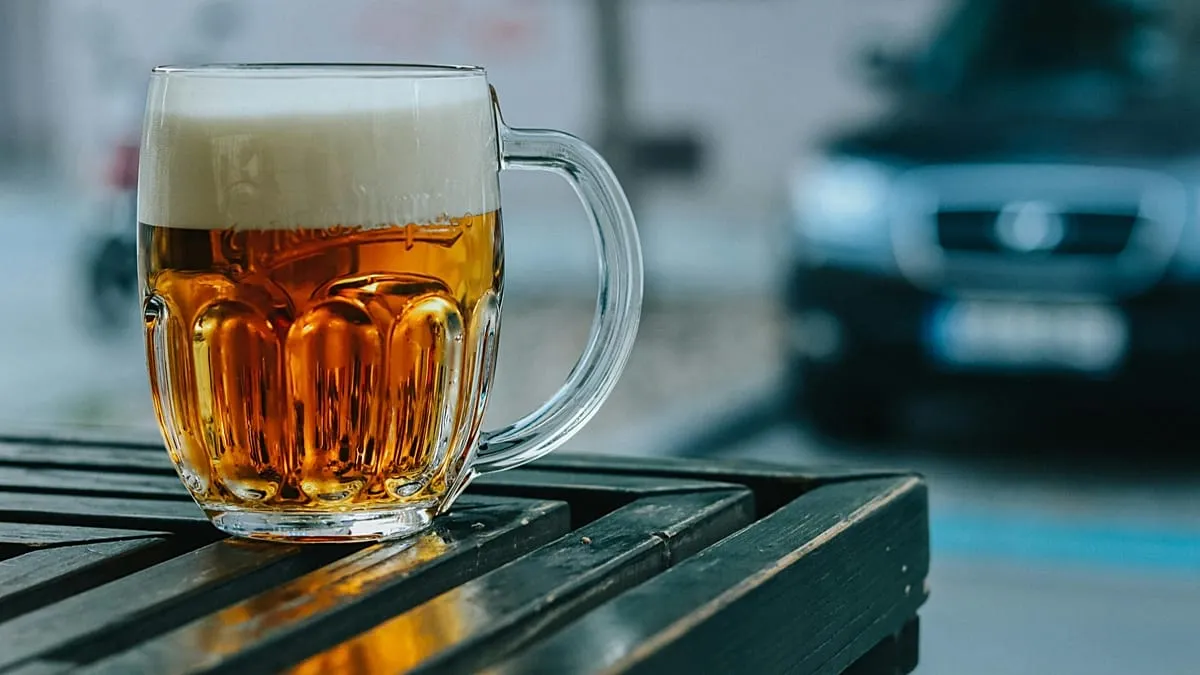
Recent scientific investigation suggests that a standard serving of beer, including its non-alcoholic counterpart, could contribute substantially to daily Vitamin B6 intake. This finding challenges previous estimations of the vitamin content in beer and highlights a potentially overlooked dietary source for this essential nutrient. The research, which utilized a novel laboratory technique, analyzed a variety of commercially produced German beers, revealing that Vitamin B6 levels can fluctuate significantly depending on the beer type and its ingredients.
Vitamin B6 plays a crucial role in numerous bodily functions, including brain health, red blood cell formation, and immune system support. Its deficiency is a growing concern, with studies indicating that a notable percentage of both adolescent and adult populations in Europe and America do not meet the recommended daily intake. Symptoms of deficiency can range from mood disturbances to more serious health issues like cardiovascular disease and inflammation, underscoring the importance of identifying accessible dietary sources.
The Vitamin B6 Content in Beer Revealed
A comprehensive analysis of 65 German beers revealed that total Vitamin B6 concentrations varied from as little as 95 micrograms per liter to over 1,000 micrograms per liter. The study, published in the Journal of Agricultural and Food Chemistry, emphasized that the composition of raw materials used in brewing is the primary determinant of Vitamin B6 levels, rather than the brewing processes themselves. This suggests that the choice of grains and other ingredients has a more pronounced impact on the final nutrient profile than the technological aspects of beer production.
Specifically, malt-heavy beers like Bock beer demonstrated the highest average concentrations of Vitamin B6, approximating 808 micrograms per liter. Standard lagers followed with around 515 micrograms per liter. Conversely, wheat and rice beers exhibited the lowest levels. The researchers identified barley as a key contributor, noting that it contains significantly higher levels of Vitamin B6 compared to rice, reinforcing the link between barley content and overall B6 enrichment in beer.
Alcohol-Free Beer: A Surprising Nutrient Contributor
Intriguingly, the study found no significant disparity in Vitamin B6 content between traditional lagers and their alcohol-free versions. This indicates that the removal of alcohol does not necessarily lead to a reduction in this specific vitamin. The research explored two primary methods for producing alcohol-free beer: limiting fermentation to retain higher sugar levels or employing physical processes like vacuum distillation or membrane filtration to remove alcohol post-fermentation. The authors posit that the latter method, which involves removing alcohol after full fermentation, may even enhance Vitamin B6 concentration.
Certain alcohol-free lagers distinguished themselves by offering particularly high levels of Vitamin B6. One top-performing sample contained 761 micrograms per liter. For context, a standard 500ml serving of this particular alcohol-free lager could potentially provide approximately a quarter of a woman's recommended daily Vitamin B6 requirement, making it a noteworthy source for individuals seeking to boost their intake.
Understanding the Health Implications
Despite the discovery of significant Vitamin B6 levels in beer, it is crucial to acknowledge the established health risks associated with alcohol consumption. Health authorities, including the World Health Organization (WHO), maintain that there is no safe threshold for alcohol intake. Alcohol is categorized as a Group 1 carcinogen, recognized for its capacity to cause cancer in humans, and its consumption is linked to an increased risk of liver disease, heart conditions, and detrimental effects on cognitive function.
Previous research has also highlighted the negative impacts of alcohol on brain health. Studies utilizing brain scans have shown that even moderate daily alcohol consumption can lead to a reduction in brain volume and structural alterations, potentially contributing to memory loss and an increased risk of dementia. The findings from the current study on Vitamin B6 should therefore be considered within the broader context of alcohol's adverse health effects, encouraging moderation or abstinence.
For individuals seeking Vitamin B6 from dietary sources, numerous alternatives exist beyond beer. The nutrient is abundant in various common foods such as fish, organ meats, potatoes, certain fruits (excluding citrus), soybeans, legumes, peanuts, and fortified cereals. These food sources offer a direct and generally healthier pathway to meeting Vitamin B6 requirements without the associated risks of alcohol consumption.