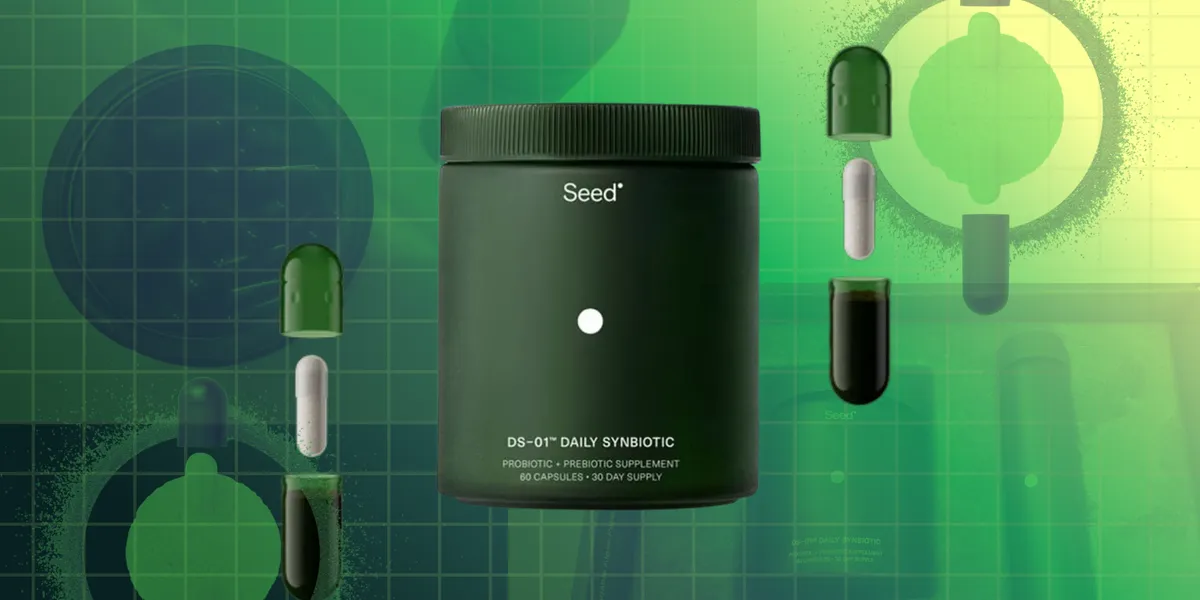
The landscape of dietary supplements is constantly evolving, with gut health products capturing significant attention. Among these, Seed's DS-01 Daily Synbiotic has emerged as a prominent player, generating considerable discussion and consumer interest. As a specialist in evaluating complex formulations, it's crucial to move beyond marketing claims and examine the scientific underpinnings and practical performance of such products. The microbiome, a complex ecosystem of microorganisms residing in the human gut, plays a pivotal role in digestion, nutrient absorption, immune function, and even mental well-being. Consequently, interventions aimed at modulating this ecosystem, like synbiotics, warrant thorough investigation.
This review delves into the Seed DS-01 Daily Synbiotic, exploring its formulation, proposed mechanisms of action, user experiences, and overall value proposition. By dissecting its components and comparing it against industry benchmarks, this analysis aims to provide a comprehensive understanding for consumers seeking to enhance their gut health through supplementation. The focus remains on scientific evidence, product quality, and user-reported outcomes, moving beyond anecdotal hype to offer an objective assessment.
Understanding Seed DS-01 Daily Synbiotic
Seed DS-01 is marketed as a daily synbiotic, a category of supplements that uniquely combines both probiotics and prebiotics. Probiotics are live microorganisms that, when administered in adequate amounts, confer a health benefit on the host. Prebiotics, on the other hand, are typically non-digestible fibers that serve as food for beneficial gut bacteria, thereby promoting their growth and activity. The synergy between these two components is central to the concept of synbiotics, aiming to provide a more robust approach to supporting the gut microbiome.
The DS-01 formulation boasts 24 distinct probiotic strains, totaling 53.6 billion AFU (Active Fluorescent Units) per serving, which is Seed's proprietary measurement for live bacterial cells, distinct from the more commonly cited Colony Forming Units (CFUs). This extensive range of strains is presented as a comprehensive strategy to address various aspects of gut health. The product is specifically formulated for adult use, with a separate offering available for children. Seed's product line extends beyond synbiotics, encompassing multivitamins and sleep supplements, indicating a broader focus on targeted nutritional support.
Mechanism of Action and Formulation Details
The efficacy of a synbiotic hinges on the specific strains included and their ability to survive transit through the gastrointestinal tract and colonize the gut. Seed emphasizes its commitment to scientific rigor, providing detailed information about the strains in DS-01 and their associated research on its website. The use of AFU as a measurement metric, while different from CFU, is presented by Seed as a more precise indicator of viable bacterial count under specific conditions.
A key aspect of DS-01's design is its unique capsule technology. Seed employs a 'capsule-within-a-capsule' system, engineered to protect the probiotic strains from degradation by stomach acid, thereby increasing the likelihood of live bacteria reaching the intestinal tract. This innovation also contributes to the product's stability, eliminating the need for refrigeration, which is a common requirement for many probiotic formulations. The formulation is also tested for major allergens and is suitable for individuals following vegan, vegetarian, keto, and gluten-free diets, enhancing its accessibility to a diverse consumer base.
Evaluating Efficacy and User Experience
Assessing the real-world impact of a synbiotic involves examining both anecdotal reports and, where available, clinical data. Multiple users, including internal testers and long-term consumers, have reported positive outcomes, particularly concerning a reduction in bloating and improved digestive comfort. For individuals who consume a high-fiber diet, a synbiotic like DS-01 may assist in managing potential digestive side effects associated with increased fiber intake. The consistent use of the product has been linked to these benefits, suggesting a sustained positive influence on the gut environment.
The user experience with Seed DS-01 extends to the ordering and packaging process. The initial purchase includes a 'Welcome Kit' featuring a reusable glass jar and travel vial, alongside a 30-day supply of capsules. Subsequent deliveries are made in sustainable refill pouches. Seed's emphasis on eco-friendly packaging, utilizing recyclable glass and compostable materials, aligns with growing consumer demand for environmentally conscious products. The travel vial, made of glass, offers a convenient way to carry the supplement on the go. However, the daily serving of two capsules, and their relatively large size, may present a challenge for some individuals accustomed to smaller or fewer pills.
Cost-Benefit Analysis and Market Positioning
The premium positioning of Seed DS-01 is reflected in its pricing. A 30-day supply typically costs $49.99 when subscribed monthly, with potential discounts for longer-term commitments through their Sustainable Refill Program. For those opting out of a subscription, the product is also available at retailers like Target for approximately $59.99 per month. This price point is notably higher than many conventional probiotic supplements available on the market, positioning DS-01 as a high-end option.
The justification for this premium price appears to stem from Seed's focus on scientifically validated strains, rigorous third-party testing for purity and potency, advanced capsule technology, and sustainable packaging. While the cost is a significant consideration, the comprehensive approach to formulation and quality control may appeal to consumers prioritizing these aspects in their supplement choices. The decision of whether Seed DS-01 is 'worth it' ultimately depends on individual priorities, budget, and specific gut health goals.
Target Audience and Considerations
Seed DS-01 Daily Synbiotic is intended for adults aged 18 and older. It is particularly relevant for individuals experiencing digestive imbalances or disruptions, such as those following illness or antibiotic treatment, where the gut microbiome may be compromised. Emerging research also suggests potential roles for probiotics in managing specific digestive disorders, supporting oral health, and potentially influencing allergic responses.
While probiotics are generally considered safe for most healthy adults, individuals with serious health conditions or compromised immune systems should exercise caution and consult with a healthcare provider before initiating any new supplement regimen. The product's robust formulation and Seed's emphasis on research aim to provide a scientifically grounded option for those seeking to actively manage their gut health, but personalized medical advice remains paramount.
Timeline for Expected Results
The onset and perception of benefits from synbiotic supplementation can vary significantly between individuals due to biological differences, dietary habits, and lifestyle factors. Seed suggests that some users might notice digestive adjustments within 24 to 48 hours, while for others, these changes might be more gradual. Subtle, long-term benefits related to overall gut and immune health may develop over extended periods of consistent use.
It is important to note that even in the absence of immediate, palpable changes, the beneficial bacteria are theoretically functioning within the gut as long as the supplement is taken regularly. The focus should remain on consistent intake to potentially achieve cumulative benefits, rather than solely on short-term sensory feedback. The success of any probiotic or synbiotic intervention is a complex interplay of the product's quality and the individual's physiological response.
Impact Analysis
The proliferation of products like Seed DS-01 Daily Synbiotic highlights a significant consumer trend toward proactive gut health management. This trend drives innovation in supplement formulation, emphasizing scientific backing, advanced delivery systems, and transparency in sourcing and testing. The increased focus on the gut microbiome's impact on overall health—from immunity to mental well-being—suggests that the market for evidence-based digestive health solutions will continue to expand. Companies that invest in rigorous research, quality control, and consumer education are likely to lead this evolving sector. Furthermore, the integration of sustainability in product design and packaging reflects a broader consumer demand for ethically produced goods, influencing market dynamics beyond product efficacy alone.