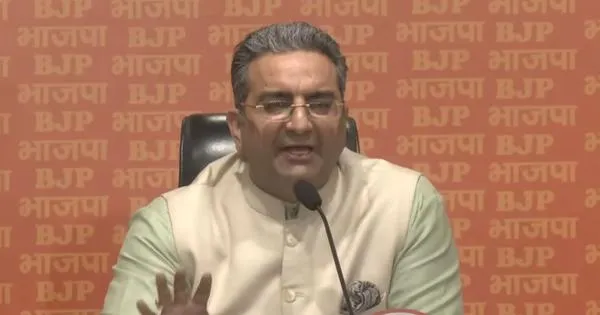
The Delhi High Court has mandated that a social media account known as 'Ranting Gola' must immediately take down a post that targeted Bharatiya Janata Party (BJP) leader and senior advocate Gaurav Bhatia. The post, which gained considerable traction online, was related to Bhatia's appearance on a television news program. This directive stems from a defamation suit initiated by Bhatia, underscoring the legal ramifications of online content that may be perceived as damaging to an individual's reputation.
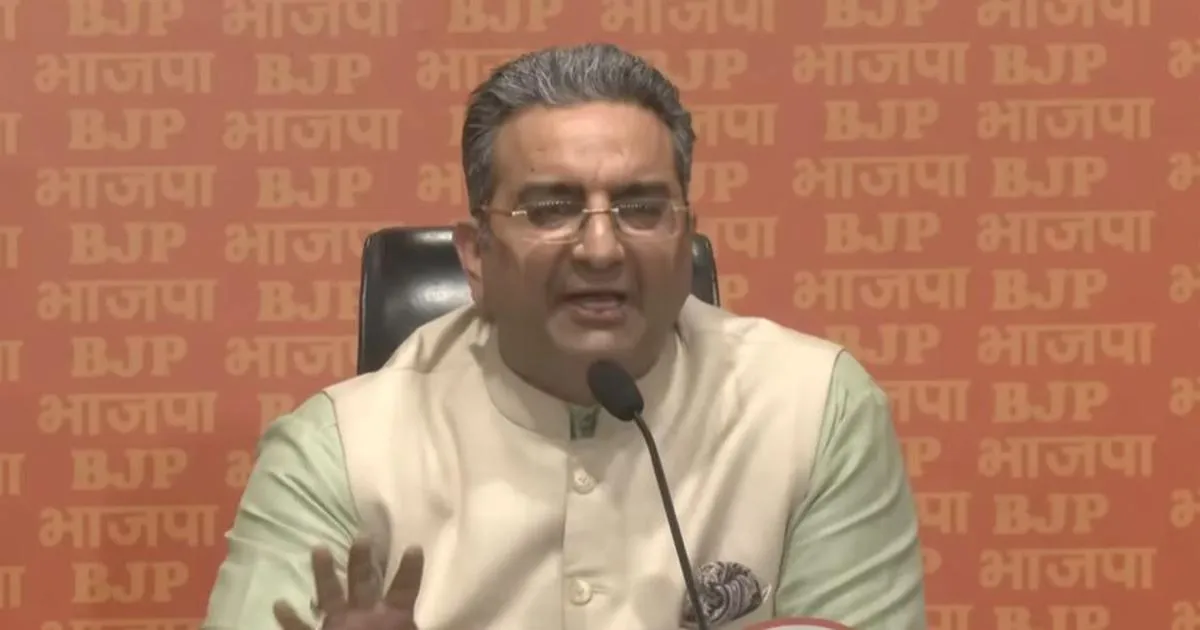
The incident that sparked the legal action occurred in September when Bhatia appeared on a News18 program hosted by journalist Amish Devgan. A particular camera angle captured Bhatia in a kurta without accompanying pyjamas or trousers, a visual that was widely circulated across social media platforms. Bhatia later clarified that he had been wearing shorts during the broadcast. The court's decision to order the removal of the 'Ranting Gola' post highlights the judiciary's role in balancing freedom of expression with the protection of individuals against potentially defamatory content.
Defamation Suit and Court Directives
The defamation suit was filed by Gaurav Bhatia following the viral circulation of the video clip. The specific post on the X (formerly Twitter) account 'Ranting Gola', operated by Shamita Yadav, was alleged to have been posted on December 19. Bhatia's legal team contended that this post demonstrated a wilful disregard for an interim order previously issued by the court on September 25. The bench, presided over by Justice Amit Bansal, expressed concern that the continued presence of the post would be prejudicial to Bhatia's interests.
Yadav's legal counsel argued that her client is an independent content creator with no political affiliations, identifying herself on her handle as a comedian. The defense put forth that the post in question was satirical in nature and thus fell within the ambit of protected free speech. Furthermore, it was argued that the specific post, dated December 19, was not explicitly covered by the September injunction order. However, the court remained unconvinced, indicating reservations about the nature and impact of the content, especially given the ongoing defamation proceedings.
Background of the Viral Clip and Legal Proceedings
The controversy originated from Bhatia's televised appearance where the visual of him not wearing trousers became a subject of widespread online discussion. The Delhi High Court had, on September 25, indicated its intention to issue orders for the removal of defamatory posts and videos concerning Bhatia's TV appearance. The court had stated that if content creators did not voluntarily remove such material, intermediary platforms like Google and X would be directed to take it down.
During the earlier proceedings, Bhatia's counsel had emphasized that the footage was captured in a private setting and its subsequent dissemination without consent was objectionable. Bhatia himself expressed distress over posts that alluded to 'male private parts' and used offensive language, particularly those attributed to the Samajwadi Party's social media unit. He argued that such discourse was inappropriate for public consumption and that the content in question constituted defamation rather than protected free speech.
Scope of Defamation Claims and Defendants
Gaurav Bhatia's defamation suit named a total of 22 defendants. This extensive list includes the Samajwadi Party's social media unit, prominent political figures such as Congress leader Ragini Nayak and Aam Aadmi Party leader Saurabh Bhardwaj, journalist Abhisar Sharma, news outlets like Newslaundry and News18, and various content creators, including 'Ranting Gola' and 'Rofl Gandhi'.
In addition to individual creators and entities, the suit also named major internet platforms, Google and X, as intermediary defendants. This strategic inclusion highlights the legal strategy to hold not only the original publishers of potentially defamatory content accountable but also the platforms that host and distribute it. The court's current order against 'Ranting Gola' demonstrates a proactive approach in managing the dissemination of content while the defamation case is under adjudication.
Impact Analysis
The Delhi High Court's directive to 'Ranting Gola' serves as a significant reminder of the legal accountability associated with online speech, particularly in the context of defamation. It underscores the court's willingness to intervene swiftly to prevent potential prejudice to parties involved in legal disputes. The case also brings to the forefront the complexities of distinguishing between satire, free expression, and actionable defamation in the digital age.
For social media users and content creators, this ruling emphasizes the critical need for diligence regarding the content they publish, especially when it pertains to public figures or ongoing legal matters. The inclusion of intermediary platforms as defendants also signals a broader trend of scrutinizing the role of technology companies in content moderation and their responsibilities in mitigating the spread of harmful or defamatory material. This legal precedent could influence how future cases involving online defamation are handled, potentially leading to stricter enforcement of content takedown policies across various platforms.