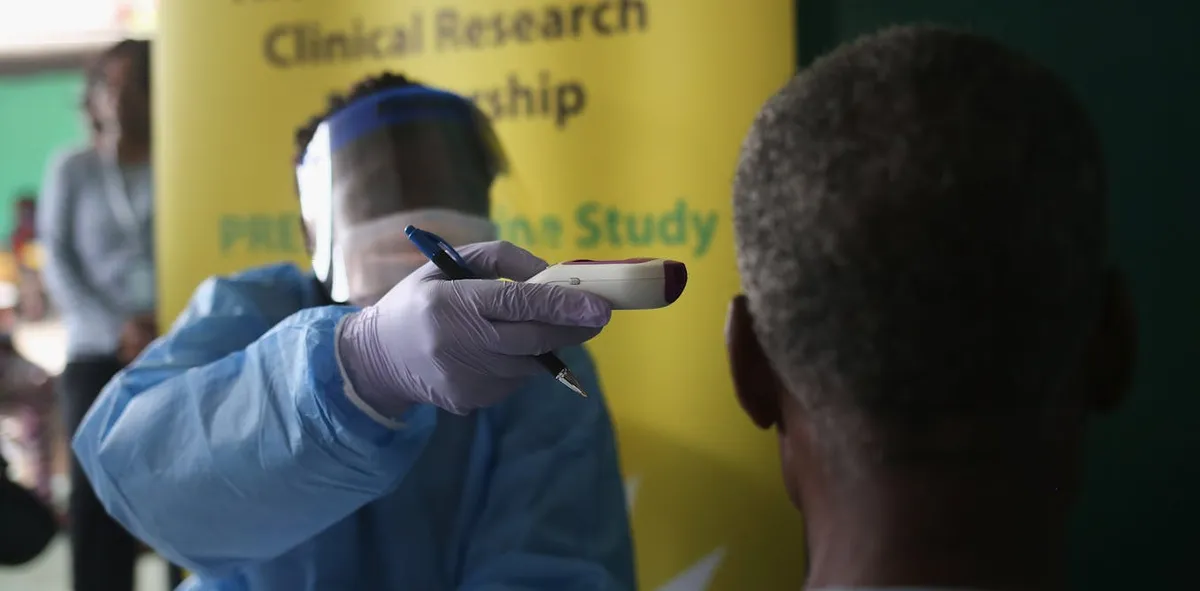
The 2014-2016 Ebola epidemic left thousands of survivors not only grappling with physical health issues like vision loss but also severe social and economic consequences. Many, like Musu from Liberia, lost their sole breadwinners and struggle daily for basic necessities, highlighting the immense personal cost of the virus.
Despite the official end of the epidemic, survivors face persistent stigma, making social integration difficult and often leading to job loss and fractured relationships. The destruction of belongings and lack of support programs have plunged many into poverty, exacerbating their hardship.
The unfulfilled promises of aid and the discontinuation of specialized care contribute to a pervasive sense of abandonment. Experts emphasize that future epidemic responses must prioritize both medical and long-term social support to ensure survivors can truly recover and rebuild their lives, preventing enduring suffering.