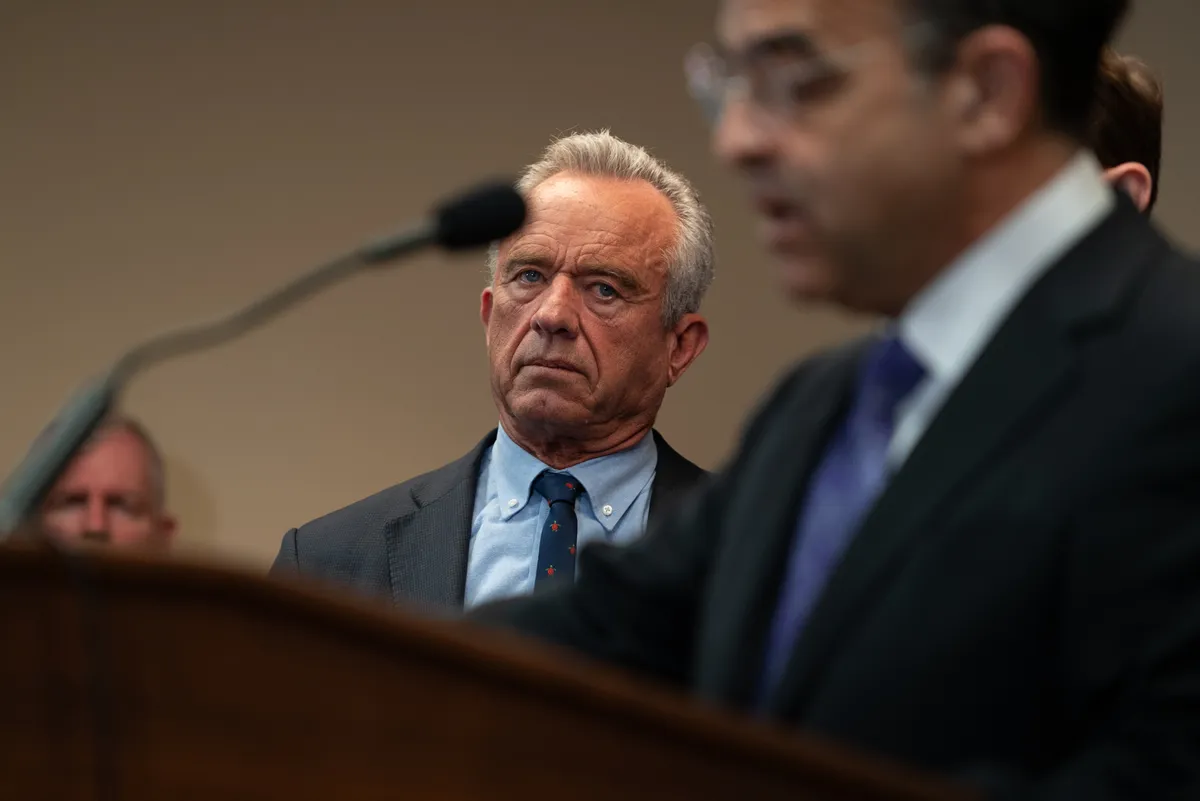
Federal authorities have announced sweeping charges against fifteen individuals accused of orchestrating a sophisticated fraud scheme that siphoned approximately $90 million from various Minnesota social service programs. The alleged illicit activities exploited taxpayer-funded initiatives, including a critical housing program that experienced a dramatic cost escalation due to the fraudulent activities, ballooning from an estimated $2.6 million annually to over $100 million. This systematic exploitation has drawn sharp criticism from federal officials, who described the defendants' actions as treating these vital programs as a "personal piggybank."
The individuals charged, all Minnesota residents, encompass a range of alleged roles in these schemes. Eight defendants are specifically implicated in the defrauding of the aforementioned housing program. Additionally, five individuals are identified as Medicaid providers involved in fraudulent billing, while two others face charges for defrauding child care subsidy programs. This wave of charges follows closely on the heels of a separate, significant fraud case involving the "Feeding Our Future" program, where its alleged ringleader was recently sentenced to over 41 years in prison for orchestrating a $242 million scheme targeting a federal child nutrition program.
Widespread Exploitation of Social Services
Among the highlighted alleged schemes is the operation of the Smart Therapy Autism Center, LLC, by Shamso Hassan and Hanaan Yusuf. These individuals are accused of bilking the government out of $46.6 million through fraudulent autism diagnoses and the payment of kickbacks to parents. Federal officials, alongside Minnesota Attorney General Keith Ellison, contend that Hassan and Yusuf billed for services that were never rendered, thereby diverting crucial resources and potentially harming children who genuinely require these therapeutic interventions. The scale of this alleged autism therapy fraud is considered the largest in American history, with the program's costs skyrocketing from an initial projection of $38 million annually to nearly $450 million in just five years.
Further investigations revealed a defendant operating a business under the Integrated Community Services program, which provides housing and daily support for individuals with disabilities. This entity allegedly billed $1.4 million for non-existent services. In another instance, two defendants are accused of defrauding $22 million from the Individualized Home Supports program, also intended for individuals with disabilities. The illicit funds were allegedly used to acquire real estate and purchase luxury vehicles, demonstrating a clear pattern of personal enrichment at the expense of vulnerable populations and essential public services.
Targeting Vulnerable Populations and Essential Programs
The common thread uniting these diverse fraud cases is the calculated exploitation of vulnerable individuals and programs designed to support them. As Assistant Attorney General Colin McDonald stated, these actions demonstrate a disregard for the consequences on both the programs themselves and the people they are meant to serve. The impact extends beyond financial loss, potentially compromising the integrity and availability of services for those most in need.

The announcement of these charges has coincided with a broader federal effort to combat fraud in social service programs. The Midwest Medicaid Fraud Task Force has been expanded to include Minnesota, and funding has been allocated for fifteen new prosecutors dedicated to investigating and prosecuting fraud within Minnesota and other states experiencing high rates of such criminal activity. Federal officials have emphasized their commitment to increasing the pace of investigations, signaling a more aggressive stance against those who exploit public resources.
Federal Response and Increased Enforcement
In response to the escalating fraud concerns, U.S. Health and Human Services Secretary Robert F. Kennedy Jr. highlighted the administration's actions, including the deferral of $350 million in federal Medicaid funding to Minnesota, a decision reportedly influenced by the new fraud charges. The Centers for Medicare and Medicaid Services (CMS), under the leadership of Mehmet Oz, is also mandating the revalidation of all providers across fourteen high-risk Medicaid programs, affecting approximately 5,600 individuals. This measure aims to bolster oversight and prevent further fraudulent activities within the system.
The FBI's commitment to pursuing these offenders was underscored by Deputy Director Christopher Raia, who shared footage of a defendant attempting to evade arrest by jumping from a fourth-floor balcony. Raia issued a stern warning, asserting that relentless pursuit and the full force of American justice await those who steal taxpayer money and resources intended for those in need, regardless of the complexity or audacity of their schemes.