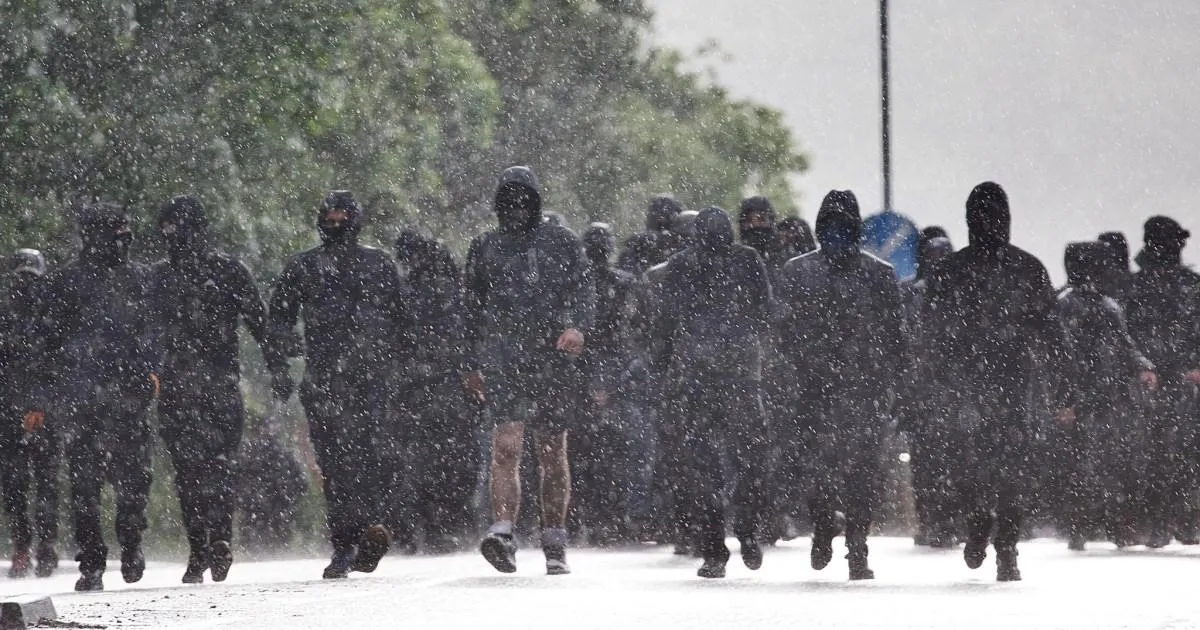
Disturbances in Belfast, characterized by the destruction of homes and vehicles, saw a surge in social media engagement, notably from Elon Musk. Musk's pronouncements, including endorsements of political parties and calls for "loud protests," coincided with escalating anti-immigration demonstrations that followed a stabbing incident. His extensive online reach amplified these narratives, drawing criticism for his role in the public discourse surrounding the unrest.
[IMAGE_1] Activist Tommy Robinson also contributed to the online conversation, focusing on anti-immigration themes and advising protesters to avoid using recording devices. The events in Belfast, which forced residents to flee their homes, underscore the potent influence of social media and public figures in shaping perceptions and potentially fueling real-world conflict. The complex interplay between online rhetoric and offline actions presents ongoing challenges for social stability.
[IMAGE_2] The violence, which included arson attacks and clashes with authorities, highlights the broader societal implications of how social media platforms are utilized to disseminate information and influence public sentiment during times of civil unrest. The incident serves as a stark reminder of the responsibility associated with significant online influence.