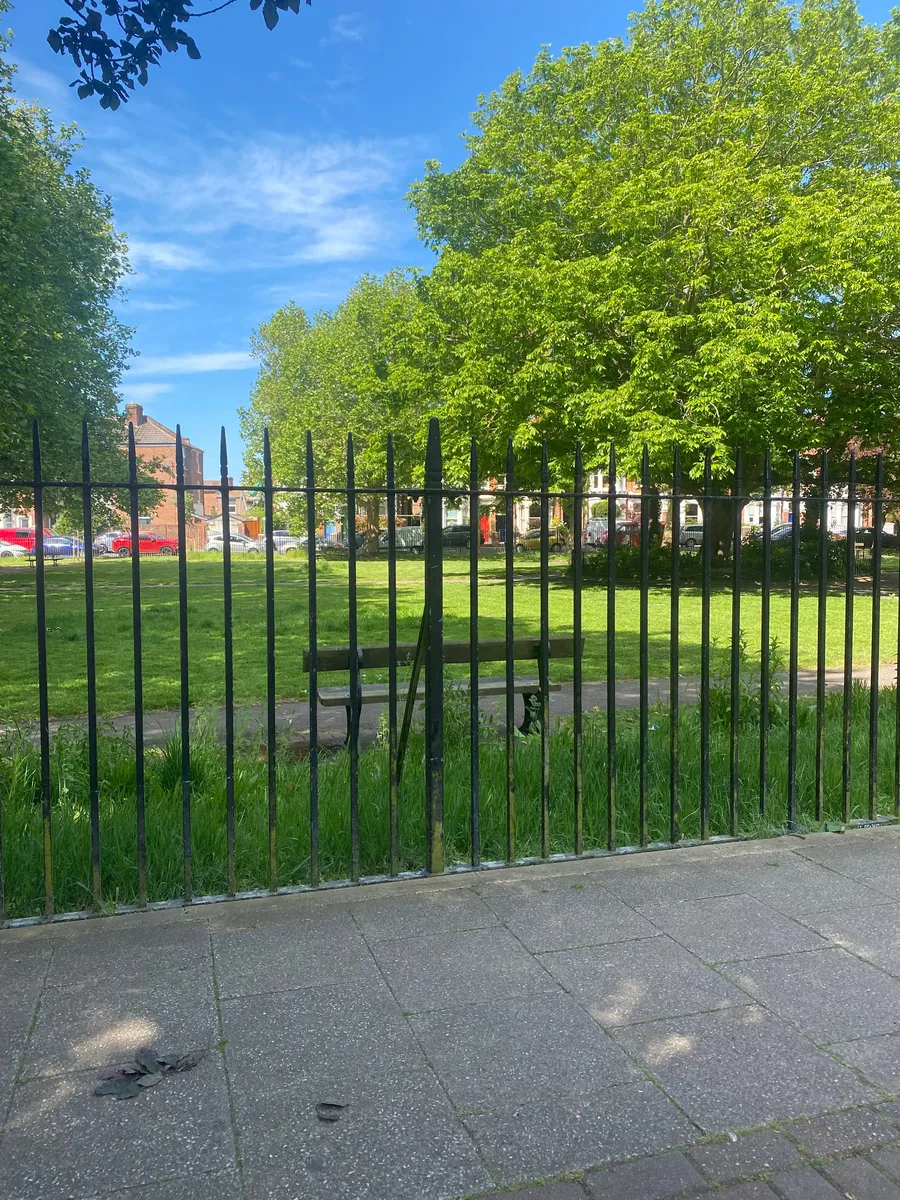
Residents in Portsmouth are being consulted on the potential implementation of Public Spaces Protection Orders (PSPOs) aimed at curbing persistent anti-social behaviour within Waverley Gardens and Wimbledon Parks. The proposed measures come in response to a litany of offenses, including public defecation, urination, fighting, threatening behaviour, and widespread alcohol-related disorder that have been impacting the enjoyment and safety of these green spaces. Over a three-year period, the parks have seen a significant number of incidents, with 64 alcohol-related offenses alone, alongside noise complaints and environmental damage, leading to residents reporting feelings of intimidation and an inability to freely use the parks.
The initiative by Portsmouth City Council seeks to address these concerns through stricter regulations, which could involve banning alcohol consumption, restricting loud music, and prohibiting public urination within the designated park areas. PSPOs are statutory tools designed to prevent specific nuisonesances in particular areas, ensuring that public spaces can be enjoyed by all without the detrimental impact of anti-social conduct. The council currently deploys community wardens to maintain safety and provide support across various city locations, and this proposed order would empower them, alongside the police, to take more direct action against offenders.
Addressing Park Nuisances with Proposed PSPOs
The potential introduction of PSPOs in Waverley Gardens and Wimbledon Parks is a direct response to sustained complaints from local residents about the deteriorating atmosphere and safety concerns. Incidents of public indecency, vandalism, and aggressive behaviour have made many residents feel unwelcome and unsafe in their local parks. The proposed order aims to provide a clear legal framework for authorities to manage these issues more effectively. If enacted, individuals found in breach of the PSPO could face penalties, including fines of up to £100, allowing for immediate intervention rather than lengthy investigative processes.
Councillor Denise Perry, representing the St Jude ward where the parks are located, highlighted the urgency of the situation. She noted that many residents feel intimidated and that the parks, intended as communal relaxation areas, have become sites of concern. A survey conducted among local residents indicated strong support for a public consultation on the matter, underscoring the community's desire for solutions. The council's proposal includes restrictions on consuming alcohol, playing excessively loud music, and public urination, all identified as key contributors to the negative environment.
Community Concerns and Council Responses
The persistent issues in these parks have not only affected residents of the St Jude ward but have also drawn attention from councillors in adjacent areas. Councillor Charlotte Gerada acknowledged receiving significant casework related to anti-social behaviour in the parks, even though they fall outside her direct ward responsibilities. She expressed understanding for the need for supported housing but stressed that the associated issues of drug use, public intoxication, and violence are detrimental to both the recovery of individuals and their integration into the broader community.
Councillor Gerada recounted a personal experience where her dog was attacked in the park, leading to verbal abuse when she attempted to address the situation. This incident underscored the limitations of current enforcement powers without a PSPO in place, as police were unable to take significant action. The councillor emphasized the need to restore a sense of balance, where a few individuals do not disproportionately disrupt the peace and safety of the many park users.
Resident Experiences and Perspectives
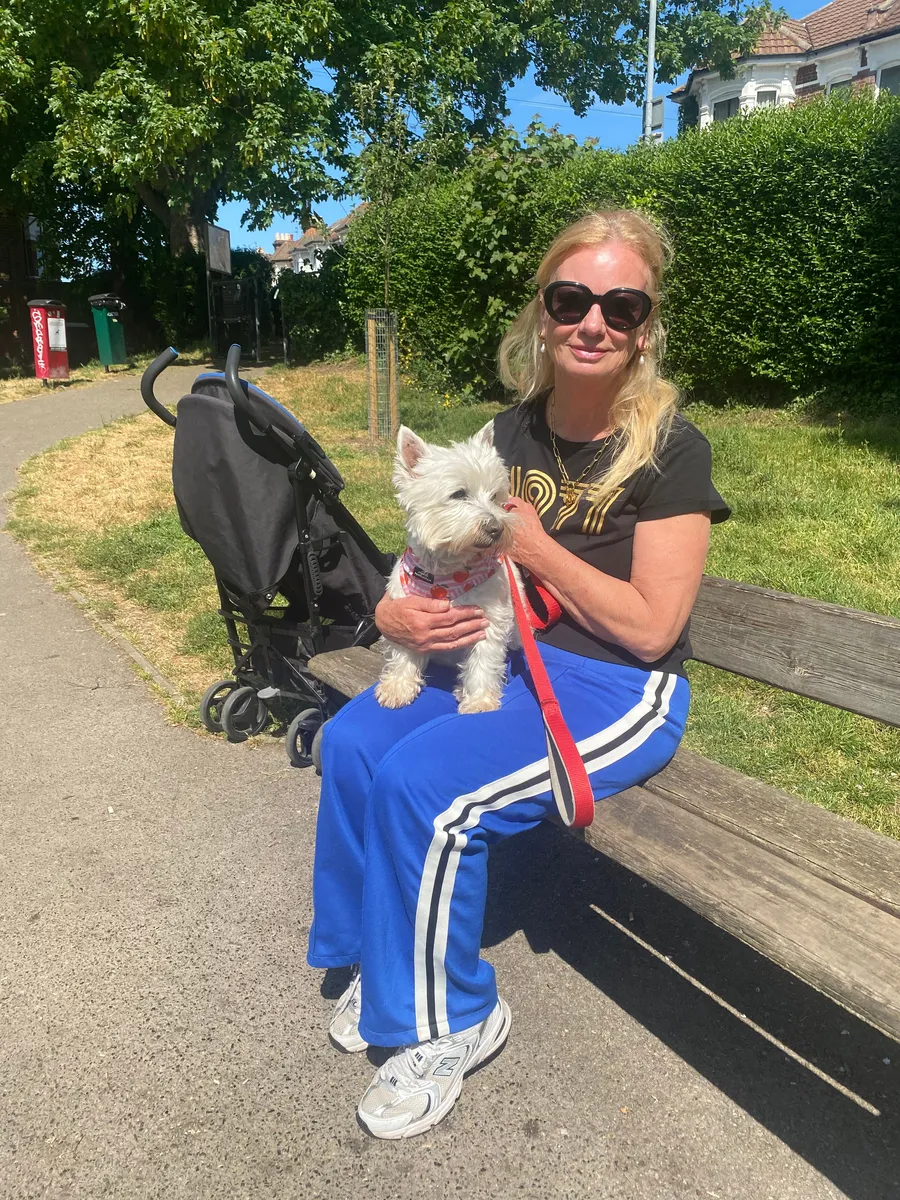
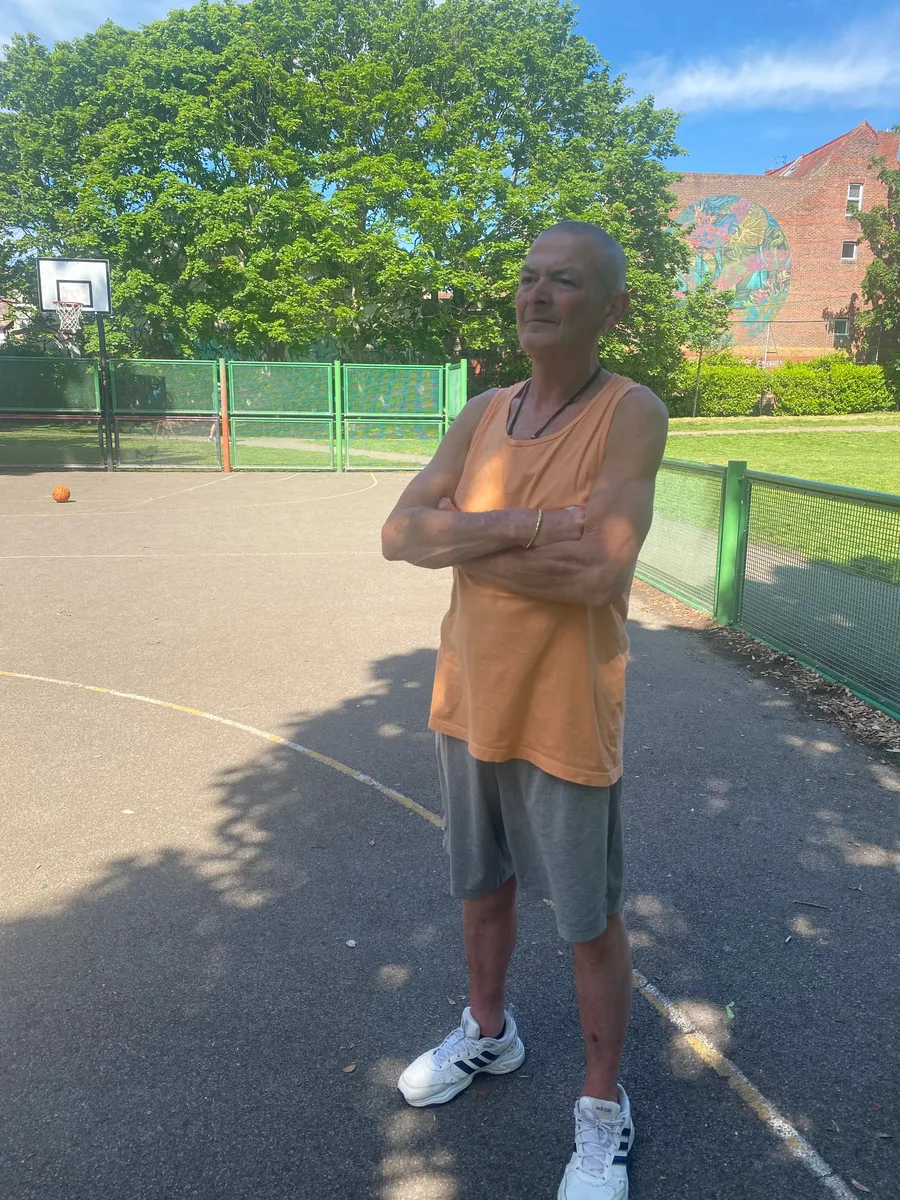
Local residents have voiced a range of opinions regarding the proposed PSPOs, with many supporting stronger measures to combat anti-social behaviour. Tony Parrack, a regular visitor to Wimbledon Park, noted the presence of graffiti associated with criminal gangs and a general litter problem, stating that while the park is pleasant in the morning, he observes issues escalating in the evenings. He believes the PSPO could be beneficial but remains skeptical about its effectiveness for individuals who are deeply entrenched in problematic behaviour.
Lori Boswell, another resident, expressed that while she has not personally encountered recent issues in Wimbledon Park, she acknowledges that the situation has been problematic in the past. She mentioned that Waverley Gardens tends to experience more frequent issues. The sentiment that parks' conditions can fluctuate is shared, with residents recalling past disturbances and noting that problems can spread to other public areas, such as Canoe Lake, which has also faced its own set of challenges, including littering, vandalism, and even violent incidents like racist attacks and animal cruelty.
The concerns raised by residents are echoed in reports from other public spaces in Portsmouth. Canoe Lake, despite its popularity, has experienced significant incidents, including a recent event where a festival left the area littered, and a brutal racist attack. The killing of a swan by children throwing stones and sticks further highlights a concerning trend of disregard for public spaces and wildlife. Couples like Pete and Denise, who frequent Canoe Lake, support the idea of increased patrols and control measures, believing that more wardens and police presence would enhance safety, particularly during evening hours.
Linda Metcalfe, who works nearby, mentioned witnessing altercations and noted the issue of littering from barbecues, although she has not personally observed severe incidents. The installation of more bins aims to mitigate this problem. Similarly, Graham and Ann Moss, residents of a nearby flat, observe increased security presence in other areas and question the effectiveness and visibility of the police, suggesting that more wardens are needed. Ann specifically noted that the presence of wardens contributes to a feeling of safety for women.
A disabled resident near Baffins Pond shared particularly distressing experiences, including nightly car break-ins and constant conflicts among young people, impacting his ability to use his designated parking space. This highlights the pervasive nature of the problem across different community areas and the direct, personal impact on residents' quality of life and sense of security.
A police spokesperson confirmed ongoing engagement with Portsmouth City Council regarding the consultation, emphasizing a collaborative effort to address crime and anti-social behaviour throughout the city. This partnership approach is crucial for developing comprehensive strategies that can effectively manage public spaces and improve community well-being.
Impact Analysis
The proposed Public Spaces Protection Orders in Portsmouth represent a proactive governmental response to escalating public order issues in key recreational areas. By seeking public opinion, the council is adhering to due process, which is critical for the legitimacy and effectiveness of such measures. If implemented, the PSPOs could significantly alter the dynamics of public space management, shifting from reactive policing to preventative regulation. The success of these orders will likely depend not only on robust enforcement but also on concurrent community engagement and support services, particularly for individuals with substance abuse issues whose behaviour may contribute to the problem. The long-term impact could include the reclamation of parks as safe, family-friendly environments, thereby enhancing the overall quality of life for Portsmouth residents. However, concerns about potential overreach and the displacement of issues to other areas will require ongoing monitoring and adaptive management strategies.