

Switch Accessories & Components

Technical specifications, key pros & cons, and real-time price comparison of 20 Switch Accessories & Components models.

Filters
Brand
Price Range
Up to
User Rating
Sort by:
0.0
(1)
  • Bandwidth
    -
  • Weight
    330 g
  • Packaging content
    -
  • Data transfer rate
    -
  • Internal memory
    -
  • Power consumption (typical)
    -
0.0
(1)
0.0
(1)
  • Weight
    1.1 kg
  • Ethernet interface type
    Gigabit Ethernet
  • Ethernet LAN (RJ-45) ports
    -
  • Security algorithms
    802.1x RADIUS, SSH-2
  • Power consumption (typical)
    56.3 W
  • Operating temperature (T-T)
    0 - 40 °C
0.0
(1)
0.0
(1)
  • Weight
    379 g
  • Ethernet interface type
    Gigabit Ethernet
  • Ethernet LAN (RJ-45) ports
    8
  • Security algorithms
    -
  • Power consumption (typical)
    -
  • Operating temperature (T-T)
    -
0.0
(1)
0.0
(1)
  • Bandwidth
    960 Gbit/s
  • Weight
    1.31 kg
  • Packaging content
    -
  • Data transfer rate
    10000 Gbit/s
  • Internal memory
    16 MB
  • Power consumption (typical)
    75 W
0.0
(1)
0.0
(1)
  • Weight
    450 g
  • Ethernet interface type
    10 Gigabit
  • Ethernet LAN (RJ-45) ports
    4
  • Security algorithms
    -
  • Power consumption (typical)
    -
  • Operating temperature (T-T)
    -
0.0
(1)
0.0
(1)
  • Bandwidth
    -
  • Weight
    458 g
  • Packaging content
    1 x 52W PSU and 1 x UK power lead
  • Data transfer rate
    -
  • Internal memory
    -
  • Power consumption (typical)
    -
0.0
(1)
0.0
(1)
  • Bandwidth
    -
  • Weight
    -
  • Packaging content
    -
  • Data transfer rate
    -
  • Internal memory
    -
  • Power consumption (typical)
    -
0.0
(1)
0.0
(1)
  • Weight
    467 g
  • Ethernet interface type
    10 Gigabit Ethernet
  • Ethernet LAN (RJ-45) ports
    -
  • Security algorithms
    -
  • Power consumption (typical)
    -
  • Operating temperature (T-T)
    -
0.0
(1)
0.0
(1)
  • Bandwidth
    -
  • Weight
    1.46 kg
  • Packaging content
    -
  • Data transfer rate
    -
  • Internal memory
    -
  • Power consumption (typical)
    -
0.0
(1)
0.0
(1)
  • Weight
    1.1 kg
  • Ethernet interface type
    Gigabit Ethernet
  • Ethernet LAN (RJ-45) ports
    24
  • Security algorithms
    802.1x RADIUS, SSH-2
  • Power consumption (typical)
    34.4 W
  • Operating temperature (T-T)
    0 - 40 °C
0.0
(1)
0.0
(1)
  • Bandwidth
    -
  • Weight
    9.5 kg
  • Packaging content
    -
  • Data transfer rate
    -
  • Internal memory
    -
  • Power consumption (typical)
    -
0.0
(1)
0.0
(1)
  • Weight
    1.1 kg
  • Ethernet interface type
    Gigabit Ethernet
  • Ethernet LAN (RJ-45) ports
    -
  • Security algorithms
    802.1x RADIUS, SSH-2
  • Power consumption (typical)
    44 W
  • Operating temperature (T-T)
    0 - 40 °C
0.0
(1)
0.0
(1)
  • Weight
    1.1 kg
  • Ethernet interface type
    Gigabit Ethernet
  • Ethernet LAN (RJ-45) ports
    -
  • Security algorithms
    802.1x RADIUS, SSH-2
  • Power consumption (typical)
    53.9 W
  • Operating temperature (T-T)
    0 - 40 °C
0.0
(1)
0.0
(1)
  • Bandwidth
    -
  • Weight
    1.51 kg
  • Packaging content
    -
  • Data transfer rate
    -
  • Internal memory
    -
  • Power consumption (typical)
    -
0.0
(1)
0.0
(1)
  • Weight
    1.1 kg
  • Ethernet interface type
    Gigabit Ethernet
  • Ethernet LAN (RJ-45) ports
    24
  • Security algorithms
    802.1x RADIUS, SSH-2
  • Power consumption (typical)
    34.4 W
  • Operating temperature (T-T)
    0 - 40 °C
0.0
(1)
0.0
(1)
  • Bandwidth
    -
  • Weight
    -
  • Packaging content
    -
  • Data transfer rate
    -
  • Internal memory
    -
  • Power consumption (typical)
    -
0.0
(1)
0.0
(1)
  • Bandwidth
    -
  • Weight
    600 g
  • Packaging content
    -
  • Data transfer rate
    -
  • Internal memory
    -
  • Power consumption (typical)
    -
0.0
(1)
0.0
(1)
  • Weight
    1 kg
  • Ethernet interface type
    -
  • Ethernet LAN (RJ-45) ports
    -
  • Security algorithms
    802.1x RADIUS, SSH-2
  • Power consumption (typical)
    52.2 W
  • Operating temperature (T-T)
    0 - 40 °C
0.0
(1)
0.0
(1)
  • Weight
    1.06 kg
  • Ethernet interface type
    -
  • Ethernet LAN (RJ-45) ports
    -
  • Security algorithms
    802.1x RADIUS, SSH-2
  • Power consumption (typical)
    34.4 W
  • Operating temperature (T-T)
    0 - 40 °C
0.0
(1)
0.0
(1)
  • Bandwidth
    -
  • Weight
    1 kg
  • Packaging content
    -
  • Data transfer rate
    -
  • Internal memory
    -
  • Power consumption (typical)
    -
0.0
(1)

A Comprehensive Technical Guide to Switch Accessories and Components

Optimizing Network Infrastructure with Specialized Components

The efficiency and robustness of any network heavily rely on the quality and appropriate selection of its foundational elements. Switch accessories and components are not merely add-ons; they are integral parts that define a network's performance, resilience, and adaptability. Understanding their diverse roles is crucial for network architects and administrators aiming to build future-proof infrastructures.

Exploring Network Switch Modules

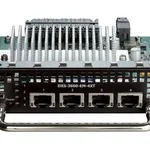
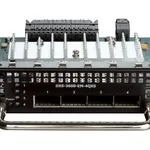
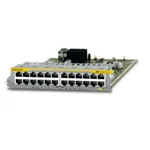
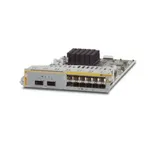
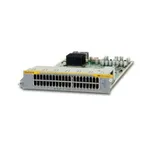
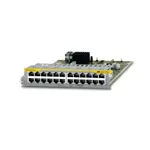
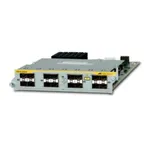
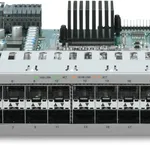
One of the primary categories within this domain is Network Switch Modules, which are designed to enhance and expand the core functionalities of a switch. These modules often include a variety of form factors such as transceiver modules (e.g., SFP, SFP+, QSFP, QSFP28) that enable fiber optic or copper connectivity at different speeds and distances. They allow switches to connect to a wider array of devices and network segments, supporting diverse media types and dramatically increasing bandwidth capabilities. Beyond transceivers, Network Switch Modules can also encompass line cards, which add more ports or specialized interfaces to a modular switch chassis, or uplink modules, providing high-speed connections to core network devices. The correct selection of these modules is critical for achieving desired data rates, ensuring compatibility with existing cabling infrastructure, and future-proofing the network against increasing data demands.

Essential Switch Components for Performance and Reliability

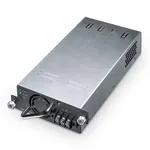
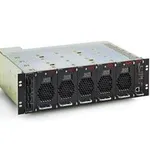
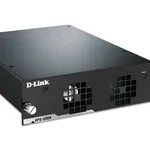
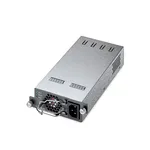
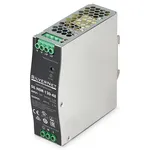
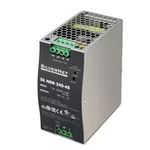
Another vital category is Switch Components, which refers to a broader range of parts necessary for the operation, maintenance, and physical integration of network switches. This includes critical power supply units (PSUs), often available in redundant configurations to ensure continuous operation in case of a primary power failure. Cooling fans and fan trays are indispensable components that maintain optimal operating temperatures, preventing overheating and extending the lifespan of the switch and its internal electronics. Chassis and rackmount kits facilitate secure and organized installation within server cabinets, ensuring proper airflow and preventing accidental damage. Furthermore, console cables, often RJ45-to-DB9, are fundamental for initial configuration and out-of-band management, providing direct access to the switch's command-line interface. Various network cables, such as Ethernet patch cords and fiber optic cables, are also integral components that connect switches to end devices and other network equipment, playing a direct role in signal integrity and data transmission speeds. The meticulous selection and regular maintenance of these Switch Components are paramount for guaranteeing network uptime, data integrity, and overall operational efficiency.

The Strategic Importance of Accessories in Network Evolution

Beyond the core functional components, a wide array of accessories further supports the deployment and management of network switches. This includes cable management solutions like patch panels, cable ties, and trays, which are essential for maintaining an organized and easily serviceable network environment, reducing troubleshooting time and improving airflow. Environmental sensors can monitor conditions within server racks, alerting administrators to potential issues before they impact switch performance. The strategic integration of appropriate switch accessories and components is not just about expanding features; it's about building a resilient, scalable, and manageable network infrastructure that can adapt to technological advancements and evolving business requirements. Investing in high-quality, compatible accessories ensures that your network remains robust and performs optimally, safeguarding your digital operations.