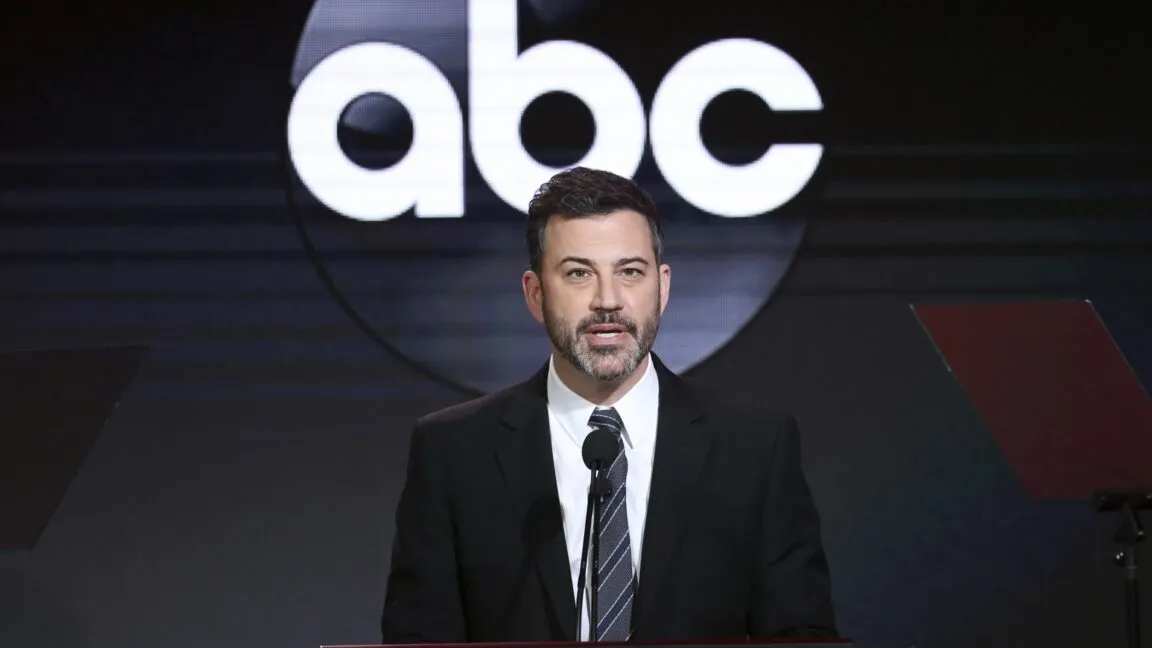
The American Broadcasting Company (ABC) has formally challenged the Federal Communications Commission (FCC) Enforcement Bureau's decision to initiate an early broadcast license renewal process. ABC contends that this move is not a legitimate investigative procedure but rather a retaliatory measure, particularly following the FCC's issuance of an information request to which ABC must respond within 24 hours of its filing. The network argues that framing the early renewal as 'essential' to an ongoing investigation lacks credibility and undermines the integrity of the process.
ABC asserts that the FCC's order poses a significant threat to all broadcasters, potentially chilling journalistic independence. The network's filing states, “When a broadcaster must weigh regulatory retaliation before making editorial decisions, the public loses access to journalism that is free from government influence. The Order—both on its own terms and as a signal to other broadcasters—advances exactly that result. A press that edits itself to avoid government displeasure is not a free press. The Commission should not be the instrument of that outcome.” This stance emphasizes concerns about regulatory overreach and its impact on the free press.
Legal Scrutiny of FCC's Actions
Legal experts consulted on the matter largely agree that the law favors ABC in this dispute. The Communications Act of 1996 established a high legal threshold for the FCC to deny a broadcast license renewal, often described as an “almost insurmountable burden.” ABC's broadcast licenses are scheduled for renewal between 2028 and 2031, and the FCC's initiation of an early renewal process does not alter these existing expiration dates. This procedural move by the FCC is seen by critics as an unusual tactic.
This is not the first instance of the FCC, under Chairman Carr, appearing to scrutinize ABC. Previously, the Chairman had threatened ABC station licenses, citing concerns over the airing of Jimmy Kimmel's show and its potential violation of the seldom-invoked news distortion policy. Further investigations were opened into ABC's program 'The View,' concerning equal-time rule violations, despite interview segments on talk shows historically being exempt from such regulations. The FCC recently sought public comment on whether 'The View' qualifies for a bona fide news exemption to the equal-time rule, a move that has drawn further criticism.
Commissioner's Dissent and Concerns for Free Speech
Anna Gomez, the sole Democratic commissioner on the FCC, has vocally opposed the Enforcement Bureau's actions. In public statements, she characterized ABC's filings as exposing the FCC's conduct as “nothing more than naked political retribution and an unlawful assault on free speech and a free press.” Commissioner Gomez also voiced strong disapproval of a public notice issued by the FCC that warned broadcasters about their public interest obligations.
Gomez stressed that the ‘public interest’ should not be conflated with “this administration’s interests.” She urged broadcasters to resist these pressures, stating, “Broadcasters should ignore these latest threats and stiffen their spine. Pushing back is the only thing that will stop this FCC from abusing its power to silence speech and punish independent reporting.” Her remarks highlight deep divisions within the FCC and raise alarms about the potential politicization of regulatory bodies.
Impact Analysis
The FCC's aggressive stance towards ABC, particularly through the accelerated license renewal process and investigations into programming, could set a precedent for how regulatory bodies interact with media organizations. If ABC's legal arguments prevail, it could reinforce protections for broadcasters against perceived political retaliation, bolstering the First Amendment rights of the press. Conversely, if the FCC's actions are perceived as legitimate regulatory enforcement, it might embolden further scrutiny of media content, potentially leading to a more constrained media environment where broadcasters self-censor to avoid regulatory penalties.