In the age of AI-generated imagery, photographers seeking to create truly unique and authentic visuals can leverage powerful in-camera techniques. Three such methods—in-camera motion, slow shutter speed effects, and high-speed flash synchronization (HSS)—offer distinct ways to produce images with a character that AI finds difficult to emulate.
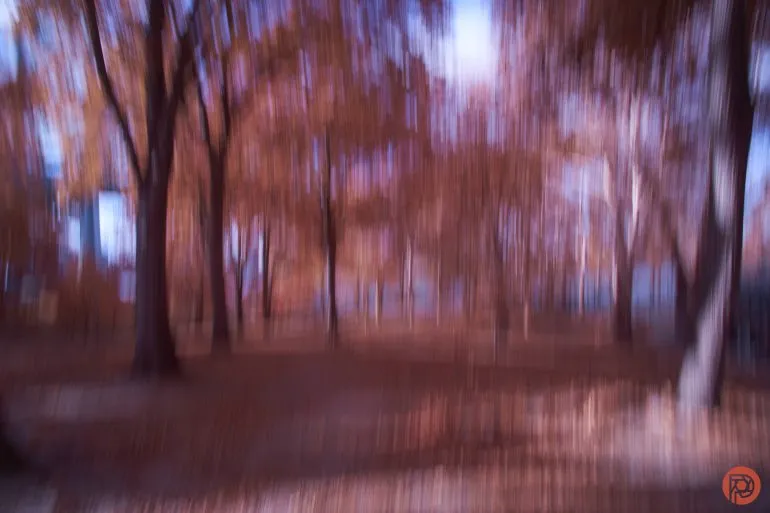
In-camera motion transforms scenes into painterly compositions by intentionally using movement during exposure, conveying mood and artistic expression. Slow shutter speeds capture the unseen, revealing motion blur to add drama and reveal aspects imperceptible to the human eye, turning static scenes into dynamic narratives. High-speed flash sync allows for seamless blending of flash and ambient light, even in bright conditions, creating flattering, soft illumination for a serene and professional look.
Mastering these techniques moves photography beyond mere replication, emphasizing the photographer's skill and vision. By employing these methods, artists can ensure their work stands out for its unique aesthetic and authentic creation process, differentiating it from the outputs of artificial intelligence and celebrating the enduring power of human creativity in the visual arts.