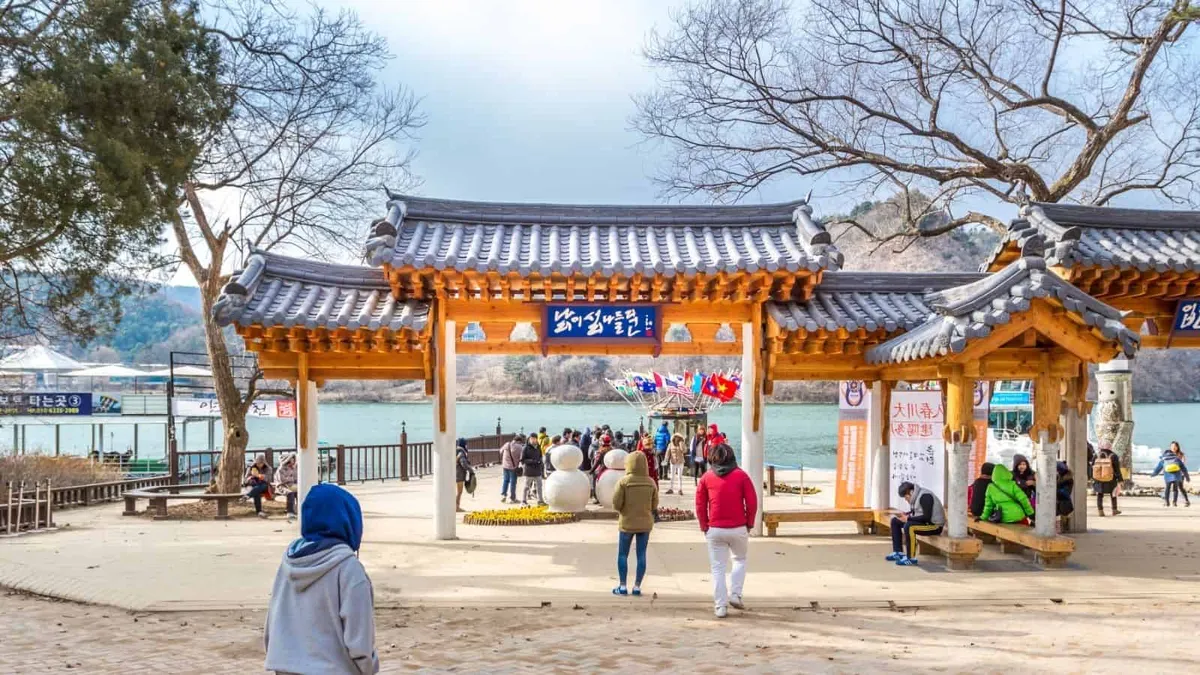
Many international travel destinations carry reputations that precede them, often painting a picture of complexity, difficulty, or overwhelming challenges. However, traveler experiences frequently reveal a different reality. This in-depth look explores nations that, despite their daunting public image, prove to be surprisingly manageable, organized, and welcoming once visitors arrive. The insights shared by those who have navigated these countries firsthand offer a valuable perspective, challenging pre-conceived notions and highlighting the smoother-than-expected flow of daily travel.
Understanding these common perceptions versus lived experiences is crucial for prospective travelers. The anticipation of potential hurdles can significantly impact the enjoyment of a trip. By examining destinations where the reality on the ground surpasses initial expectations, we can gain a clearer understanding of what makes a journey truly accessible and enjoyable. This analysis aims to demystify travel planning by focusing on the practical ease of navigating these often-misunderstood locales.
Destinations That Surpass Expectations
Traveler feedback consistently points to several countries where the perceived difficulty fades upon arrival. These destinations often excel in infrastructure, public services, and cultural openness, making them more accessible to a wider range of visitors than their reputations might suggest. From efficient public transport to readily available English signage and convenient daily amenities, these places offer a smoother travel experience.
Japan: Navigating the Land of the Rising Sun
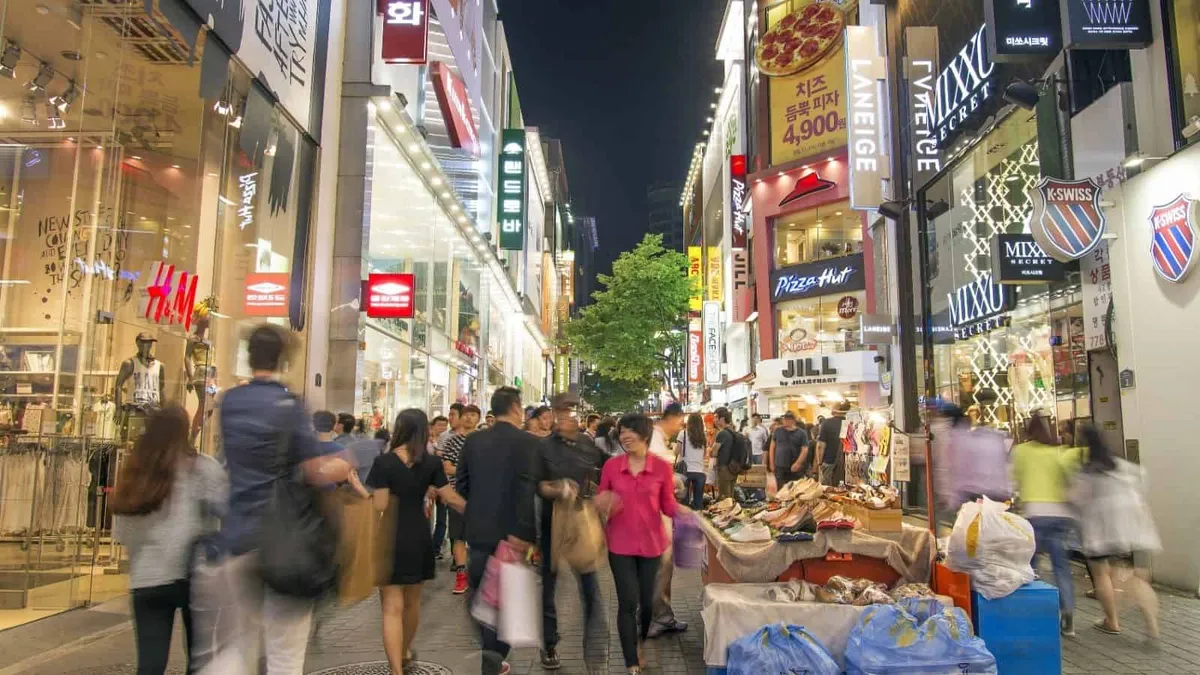
Japan frequently tops lists of destinations that intimidate first-time visitors, primarily due to perceived language barriers and the sheer scale of its public transportation networks. Yet, the reality for many travelers is one of surprising manageability. The nation's public transit systems are renowned for their punctuality and extensive reach, making exploration efficient. Major tourist hubs typically offer signage and information in English, bridging the communication gap effectively. The ubiquity of clean convenience stores, the impeccable organization of urban spaces, and the predictable daily routines contribute to a travel experience that is often far less stressful than anticipated.
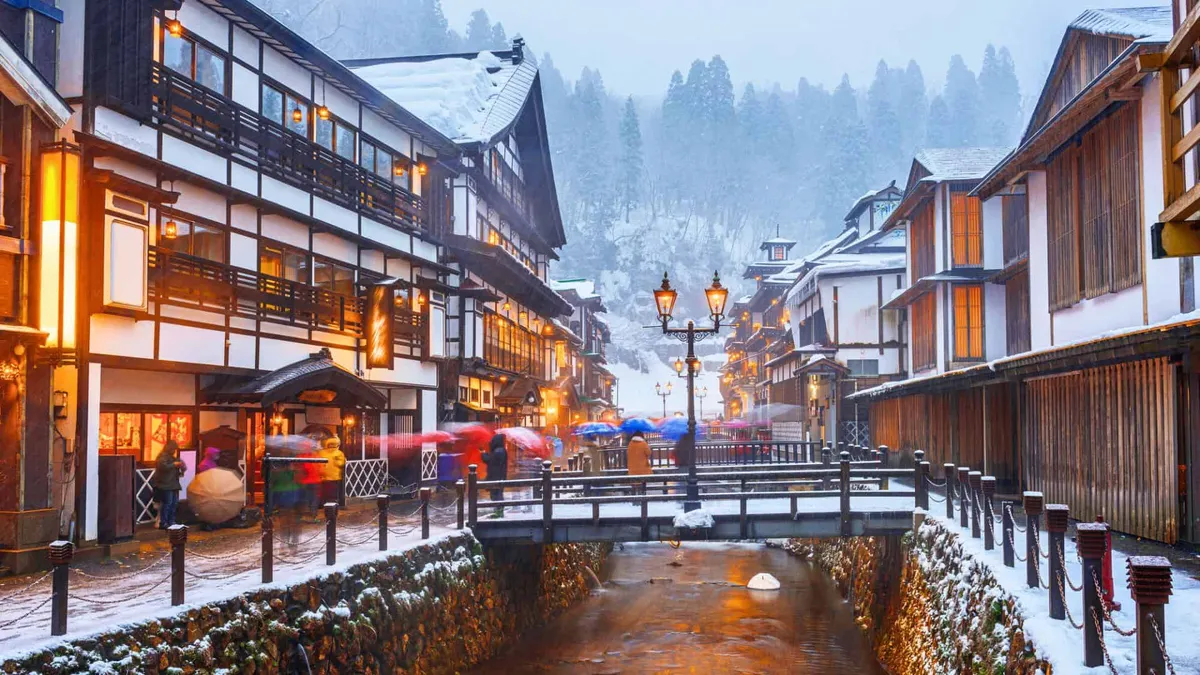
The meticulous planning evident in Japan's infrastructure, from ticket systems to train schedules, reduces the friction typically associated with navigating a foreign city. Even for those with limited Japanese language skills, essential interactions like purchasing tickets or asking for directions are often facilitated through translation apps or the helpfulness of locals. This blend of advanced technology and ingrained politeness creates an environment where visitors can confidently explore, often reflecting afterward on how their initial apprehension was unfounded.
Vietnam: Embracing the Energetic Flow
The bustling streets and rapid pace of cities like Hanoi and Ho Chi Minh City can appear chaotic from afar, leading some travelers to expect a constant state of overwhelm. However, most visitors find they adapt to Vietnam's unique rhythm surprisingly quickly. Understanding the subtle cues of street crossing—observing the flow of motorbikes and pedestrians—becomes intuitive after a short period. The availability of transportation options, from affordable taxis and ride-sharing services to inter-city buses and trains, ensures that travel between destinations is generally straightforward and cost-effective.
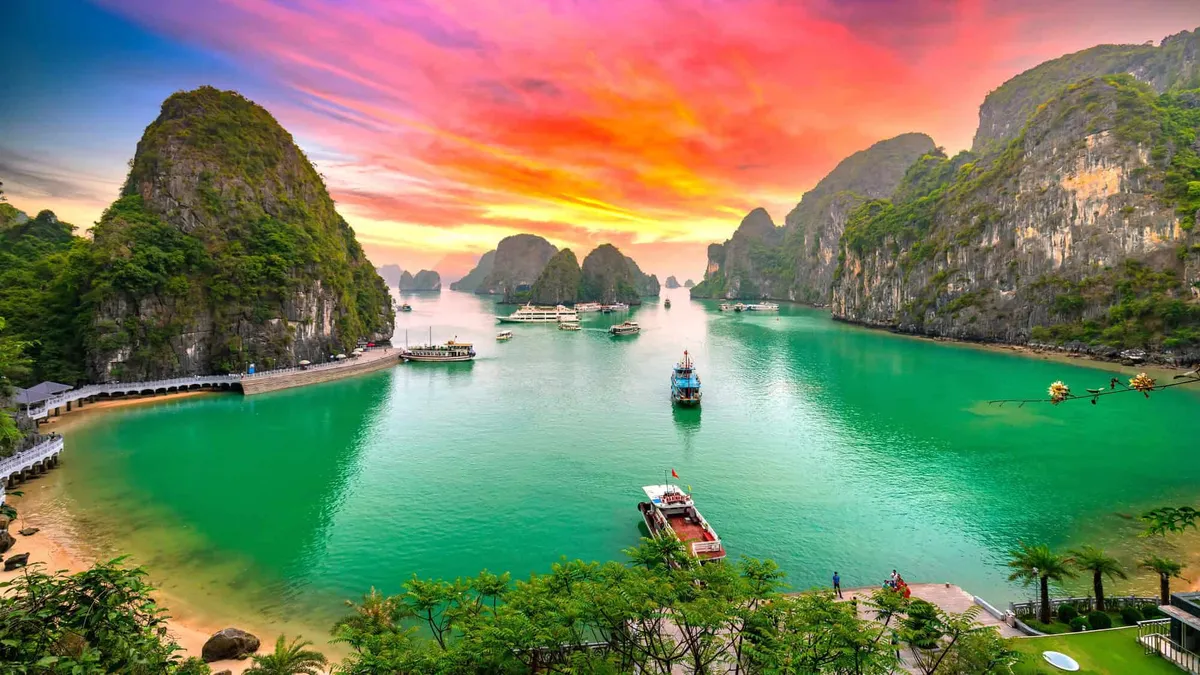
Beyond transportation, Vietnam offers a high degree of convenience and affordability that significantly eases daily travel. Access to inexpensive and delicious street food, readily available and budget-friendly accommodations, and ubiquitous laundry services mean that basic needs are easily met, reducing potential stress. The initial perception of chaos often gives way to an appreciation of the country's dynamic energy and the surprisingly comfortable way of life that travelers can integrate into during their stay.
South Korea: Efficiency in Modern Metropolises
South Korea, particularly its vibrant capital Seoul, presents an image of modernity and a fast-paced urban lifestyle that can seem intimidating before arrival. Nevertheless, the practical experience of traveling within the country often reveals a highly efficient and user-friendly system. The public transportation networks are exceptionally well-developed, with subways and buses connecting all major areas seamlessly. Navigation apps function effectively, providing real-time information that simplifies getting around.
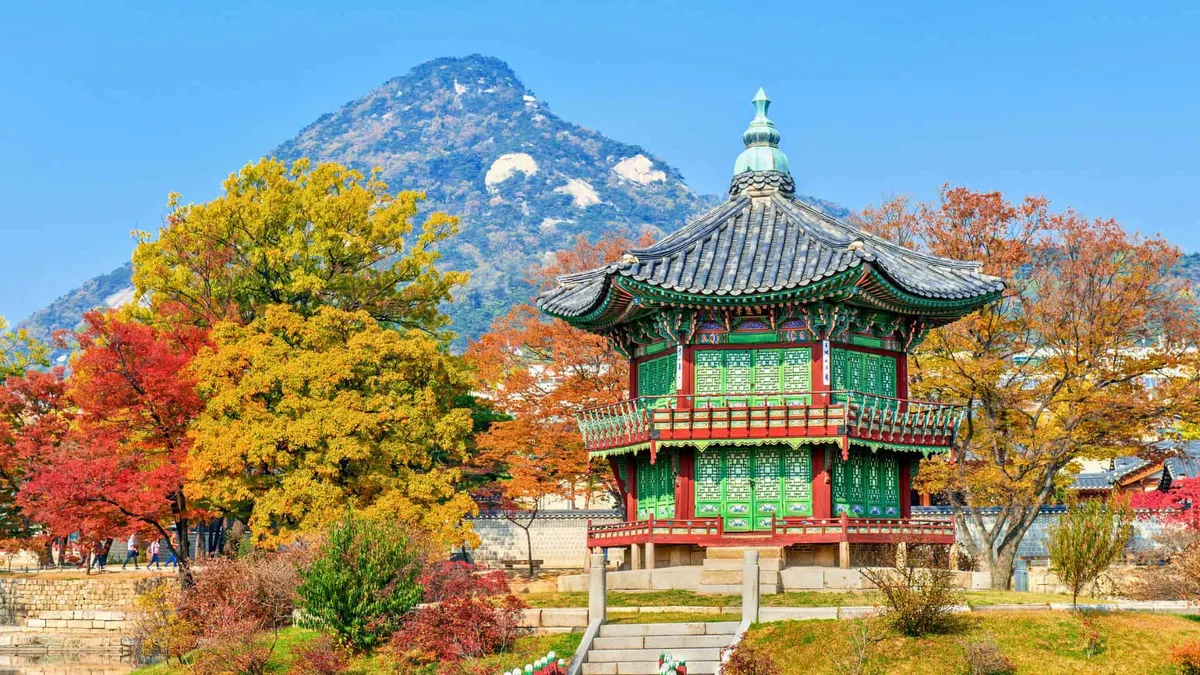
Daily travel systems, from purchasing transit cards to understanding fare structures, are designed with user convenience in mind. The extensive network of 24-hour convenience stores provides access to snacks, drinks, and basic necessities at any hour, adding another layer of ease for travelers. Many visitors who anticipated a steep learning curve often find themselves navigating the country with unexpected confidence and efficiency, appreciating the straightforwardness of everyday logistics.
Thailand: Tropical Ease Amidst Vibrancy
While Thailand's reputation includes bustling cityscapes and popular tourist destinations, many travelers discover that the overall travel experience is far more flexible and less stressful than they might have imagined. The country boasts a well-established tourism infrastructure, ensuring that accommodation, transport, and activities are readily accessible and cater to international visitors. Transportation options are abundant, ranging from efficient public buses and trains to ubiquitous ride-sharing apps and affordable local taxis, facilitating movement across cities and between regions.
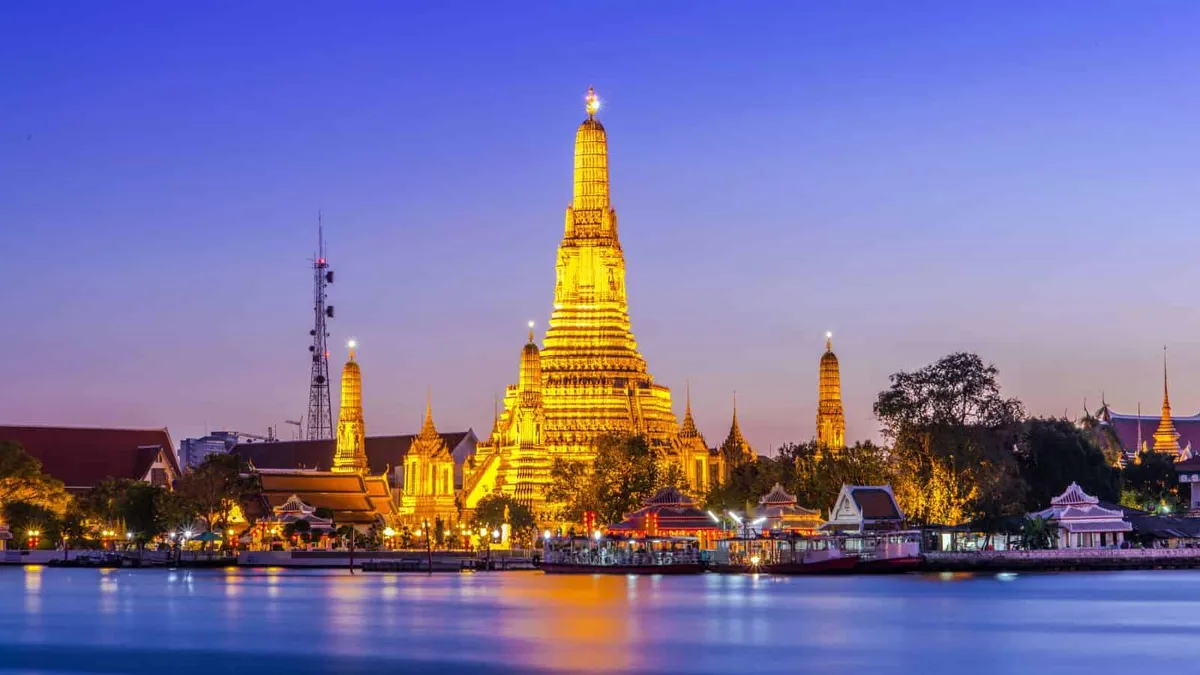
Furthermore, the manageable everyday costs for food and lodging allow many travelers to enjoy their trip without significant financial strain. Coupled with the generally relaxed social atmosphere and the ease with which visitors can find essential services, Thailand offers a welcoming environment. Despite the heat and occasional crowds, the country's inherent flexibility and accessibility allow travelers to settle in comfortably and explore at their own pace.
Morocco: Beyond the Initial Intensity
Morocco is often characterized by its vibrant, sensory-rich environments, particularly its bustling souks and medinas, which can initially seem overwhelming for newcomers. However, many travelers find that by adjusting their expectations and pace, the country becomes far more approachable. Established tourist routes and reputable guiding services simplify navigation between major cities like Marrakech, Fes, and Chefchaouen. The traditional Moroccan guesthouses, or riads, often offer a serene escape from the urban bustle.

While the intensity of the markets can be a lot to take in initially, patience and a willingness to engage with the environment typically lead to a more relaxed experience. After a day or two, visitors often find a rhythm that allows them to appreciate the rich culture and vibrant atmosphere without feeling overwhelmed. The initial reputation for being challenging frequently gives way to an appreciation for the country's unique charm and the manageable nature of its daily flow.
Iceland: Natural Wonders, Accessible Adventures
Iceland's dramatic natural landscapes and famously unpredictable weather might suggest a challenging travel experience, especially for those planning self-drive itineraries. In reality, the country is remarkably well-equipped for tourism, offering a surprisingly straightforward journey for many. The road infrastructure is generally excellent, with well-maintained routes that are clearly marked, making navigation relatively simple, even outside of severe weather conditions. English is widely spoken, further reducing communication barriers.
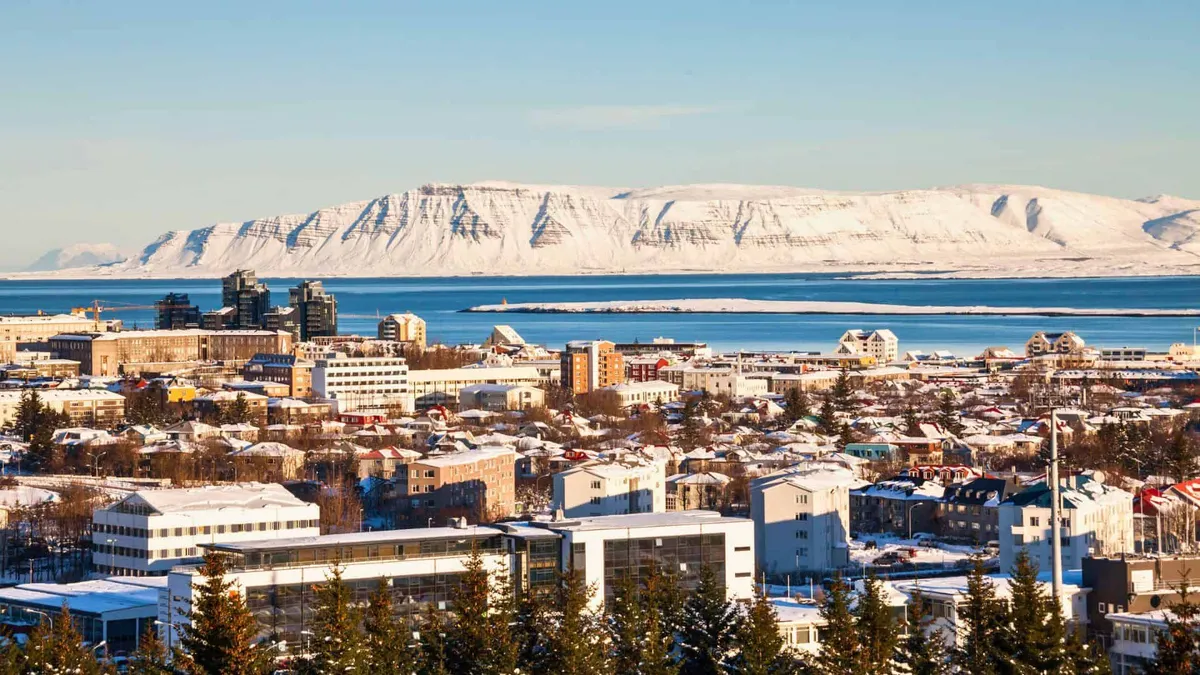
The tourism industry is highly organized, providing travelers with readily available information, organized tour options, and accessible points of interest. Many visitors are pleasantly surprised by how easy it is to plan and execute a road trip, explore the natural beauty, and find necessary services, making Iceland a more manageable destination than its remote appearance might imply.
Mexico: A Nuanced Travel Experience
Concerns about safety often dominate discussions about traveling in Mexico, leading some potential visitors to expect persistent difficulties. However, popular tourist regions and well-trodden paths in Mexico benefit from robust tourism infrastructure, reliable transportation networks, and established visitor services that cater to international travelers. While safety perceptions can vary, many visitors find that navigating popular cities, beach towns, and cultural heritage sites is a smooth and enjoyable process.

The country offers a wide range of experiences, and travelers who focus on established tourist areas are often surprised by how easy everyday logistics can be. From accessible local transport to well-organized tours and accommodations, Mexico provides a travel experience that, with appropriate planning and awareness, is often far less stressful and more straightforward than its reputation might suggest.
India: Embracing the Grand Scale
The sheer scale, diversity, and vibrant intensity of India can feel daunting to those planning their first visit. However, many travelers discover that the country is far more navigable than their initial apprehensions might suggest. The growth of domestic air travel provides efficient connections between major cities, while ride-sharing apps and established tourist routes simplify intra-city and inter-state movement. Organized tours and reputable local guides can also provide structure and ease for those new to the subcontinent.
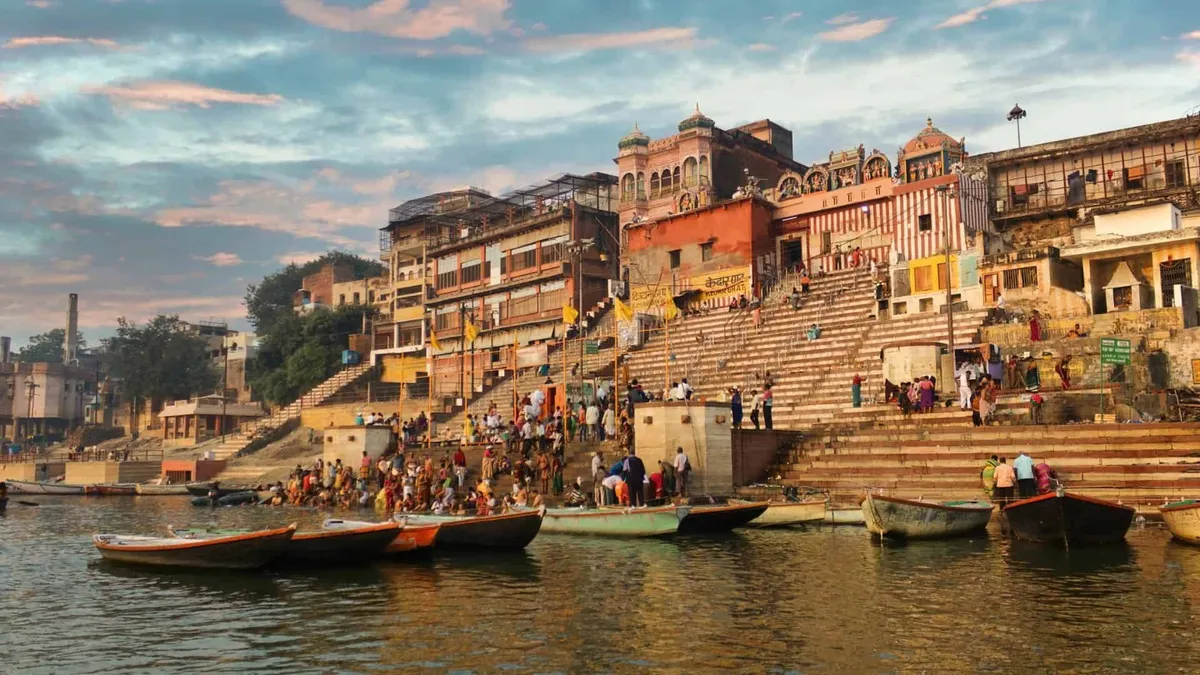
India demands flexibility and an open mind, but visitors who avoid over-scheduling their itineraries and embrace a slower pace often adapt remarkably well. The challenges are often less about logistical impossibility and more about adjusting expectations to the unique rhythm of the country. Many travelers later realize that their primary difficulty was in preparing for every conceivable scenario before arrival, rather than the actual experience of navigating the nation.
Turkey: Bridging Continents with Ease
Planning a trip to Turkey, with its vast history and significant geographical span, can appear complex. Yet, travelers often find the logistics of daily movement within the country to be surprisingly straightforward. An extensive network of domestic flights connects major cities efficiently, and public transportation options are readily available and well-utilized. Major cities, particularly Istanbul, are accustomed to hosting international visitors, with infrastructure adapted to their needs.
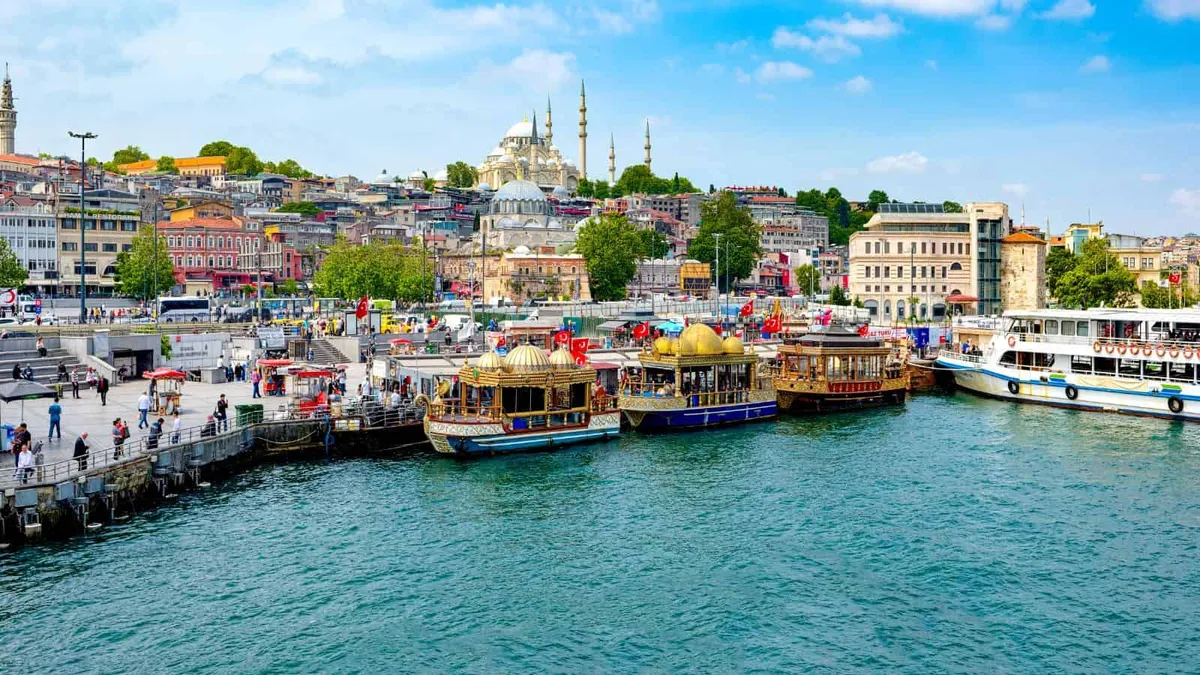
Istanbul's efficient ferry systems, integrated public transit cards, and walkable districts help newcomers quickly acclimate to the urban environment. While initially appearing busy, the practical aspects of getting around Turkey often prove to be less complicated than anticipated, allowing visitors to focus on the rich cultural and historical experiences the country offers.
Portugal: European Charm, Accessible Pace
While often overshadowed by its larger European neighbors, Portugal is frequently cited by travelers as one of the most accessible and easy-to-navigate countries on the continent. The nation's train systems provide efficient and comfortable travel between major cities and towns, simplifying regional exploration. In tourist-centric areas, English is widely spoken, making communication straightforward for international visitors. The cities themselves often feel more manageable in scale compared to some larger European capitals.

The overall pace of life, combined with the relatively compact geography and charming coastal towns, contributes to a travel experience that is often less exhausting and more relaxed than expected. Portugal offers a blend of rich culture, beautiful landscapes, and accessible infrastructure, making it an appealing destination for those seeking an easier European adventure.
Impact Analysis
The perception of travel difficulty significantly influences destination choices and booking patterns. By highlighting countries that are more accessible and manageable than their reputations suggest, this information can encourage a broader range of travelers, including those who may be less experienced or more risk-averse, to explore these destinations. This can lead to increased tourism, economic benefits for these nations, and a more diverse global travel landscape. Furthermore, dispelling myths about travel complexity can empower individuals to embark on international journeys they might have otherwise deemed too challenging, fostering greater cultural exchange and understanding.