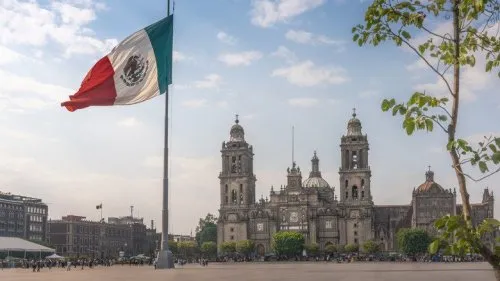
Mexico City, a vibrant metropolis renowned for its rich cultural heritage and dynamic urban landscape, is poised to experience significant shifts in its tourism appeal for the summer of 2026. While historically a popular destination, a confluence of global economic factors, ongoing international conflicts, and evolving travel trends are projecting a less favorable outlook for the city during this peak travel season. The implications extend beyond mere visitor numbers, potentially impacting local businesses and the broader perception of Mexico City as a premier tourist hub.
As 2026 approaches, travelers are increasingly factoring in a complex global environment when planning their summer vacations. The lingering effects of geopolitical tensions and their impact on travel costs, such as elevated fuel prices, are leading many to reconsider destinations perceived as less accessible or more volatile. This broader economic and security landscape is a critical consideration for any major tourist city, and Mexico City is not immune to these external pressures.
Navigating the 2026 Travel Landscape
Economic Headwinds and Travel Costs
The global economic climate in the lead-up to summer 2026 presents a significant challenge for destinations worldwide, including Mexico City. Inflationary pressures and the fluctuating cost of airfare and accommodation can deter potential visitors. Many travelers are becoming more budget-conscious, seeking destinations that offer perceived value without compromising the quality of their travel experience. The economic viability of a trip to Mexico City will be heavily scrutinized against alternative global destinations, especially those with more stable or lower perceived costs.
 Experts suggest that the anticipated increase in travel demand for 2026, coupled with potential supply chain issues and higher operational costs for airlines and hotels, could translate into increased prices for flights and lodging. This economic reality means that travelers may need to allocate a larger portion of their budget for a trip to Mexico City, making it a less attractive option for those on tighter budgets.
Geopolitical Instability and Travel Perceptions
International conflicts and geopolitical tensions are increasingly influencing travel decisions. The ongoing situations in regions like Eastern Europe and the Middle East have heightened global awareness of security concerns and can impact flight routes and travel insurance costs. While Mexico City itself is not directly embroiled in these conflicts, the general perception of global instability can lead some travelers to opt for destinations perceived as more secure or geographically distant from such events.
Furthermore, the interconnectedness of global travel means that disruptions in one region can have ripple effects elsewhere. Fluctuations in jet fuel prices, directly tied to global energy markets influenced by geopolitical events, can drive up airfare costs across the board. This indirect impact can make even distant destinations like Mexico City more expensive to reach, potentially deterring a segment of the traveling public.
Competition from Alternative Destinations
Mexico City faces intense competition from a diverse range of global travel destinations. For the summer of 2026, popular choices like the Caribbean islands, with their established appeal of beaches and relaxation, continue to draw significant numbers of tourists. Destinations offering unique cultural experiences, adventure opportunities, or specific events also vie for traveler attention.  For instance, islands like Sint Maarten are being highlighted for their blend of adventure and tropical beauty, potentially drawing travelers seeking distinct vacation experiences.
The travel industry is dynamic, with new destinations gaining prominence and established ones continuously innovating to attract visitors. The ability of Mexico City to differentiate itself and highlight its unique offerings—from its historical depth and world-class museums to its vibrant culinary scene and distinct neighborhoods—will be crucial in the face of this competition. Travelers in 2026 will likely be more discerning, comparing not just price but also the overall value proposition and uniqueness of each potential destination.
Summer-Specific Considerations for Mexico City
Beyond the broader economic and geopolitical factors, specific considerations for visiting Mexico City during the summer months warrant attention. While not typically characterized by extreme weather, the summer season in Mexico City can bring about distinct atmospheric conditions and potential travel disruptions. Understanding these nuances is key for travelers to manage expectations and plan accordingly.
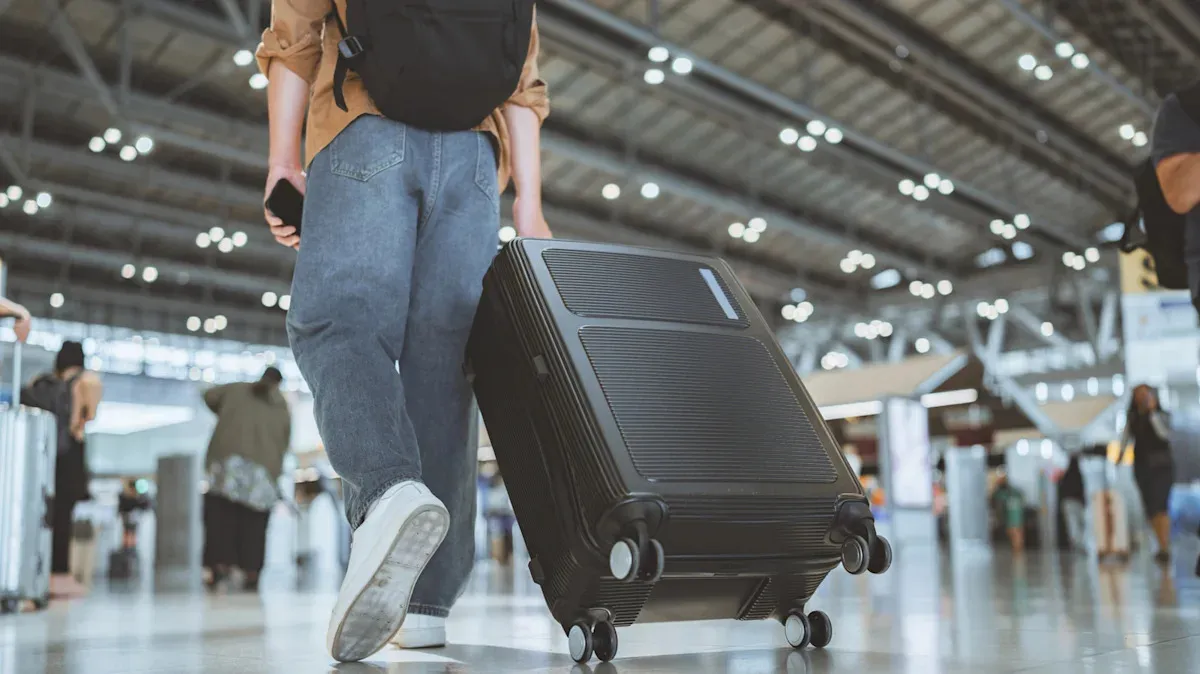 Travelers planning for summer 2026 should research the typical weather patterns for Mexico City during their intended travel dates. While generally mild, the city can experience increased rainfall during the summer months. This factor might influence decisions for travelers seeking exclusively outdoor activities or beach-focused vacations, though it also contributes to the lushness of the surrounding areas and can offer a reprieve from intense sun.
 Additionally, the summer period often coincides with local festivals and events. While these can offer unique cultural immersion opportunities, they can also lead to increased crowds and potential transportation challenges within the city. Visitors should be aware of major events that might impact their itinerary and plan for them accordingly, perhaps by booking accommodations and tours further in advance or seeking quieter neighborhoods for a more relaxed experience.
Impact Analysis
The projected challenges for Mexico City's tourism in the summer of 2026 underscore a broader trend in the global travel industry. Economic volatility and geopolitical uncertainties are no longer peripheral concerns but central factors influencing traveler behavior. Destinations that can offer clear value, robust security assurances, and unique, differentiated experiences are likely to fare better. Mexico City's ability to mitigate the impact of rising costs, communicate its safety and appeal effectively, and cater to a diversifying range of traveler preferences will determine its success in attracting visitors during this period. The city's resilience and adaptability in the face of these global dynamics will be a key indicator of its future tourism trajectory.