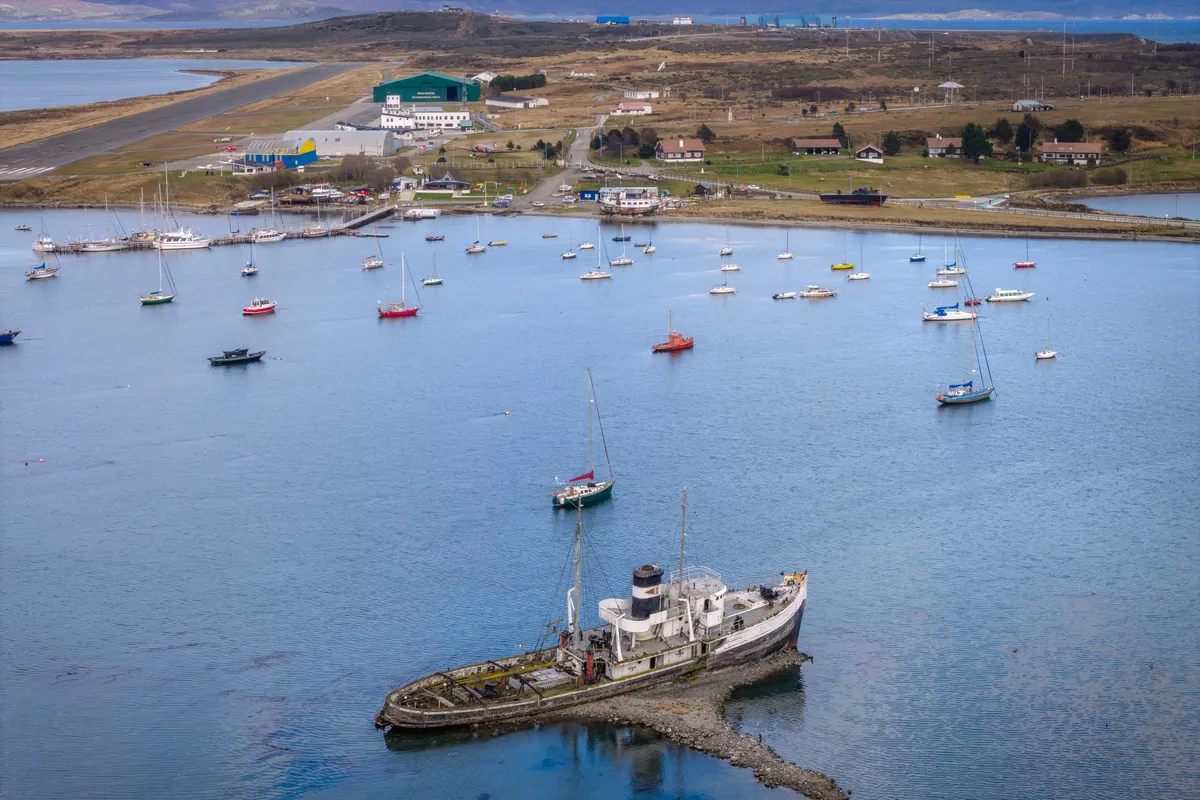
Ushuaia, the renowned southernmost city of Argentina and a primary gateway for Antarctic expeditions, is grappling with an unexpected crisis that casts a shadow over its vibrant tourism sector. Known as the "end of the world," this popular destination, which attracts a growing number of international travelers seeking to witness the unique wildlife of the region, such as Magellanic penguins and humpback whales, now faces concerns regarding its future appeal. The city has become a focal point of speculation following reports of a potential hantavirus outbreak linked to an Atlantic cruise.
Argentina's Ministry of Health is actively investigating the possibility that the initial victims of this outbreak, a Dutch couple who tragically passed away in April, may have contracted the rodent-borne virus during their visit to Ushuaia before embarking on their cruise. This investigation, however, is not without its complexities and controversies. Local authorities in Ushuaia, situated in the Tierra del Fuego Province—which has experienced political friction with President Javier Milei's administration—have voiced strong opposition, labeling the allegations as a "smear campaign." The Health Ministry, meanwhile, has stated that it cannot exclude any location visited by the Dutch tourists during their extensive travel through Argentina and Chile prior to boarding their ship in Ushuaia.
Impact of Hantavirus Scare on Ushuaia's Tourism Economy
Lingering Doubts and Economic Repercussions
Despite the absence of definitive evidence linking the outbreak directly to Ushuaia, the city's residents, whose livelihoods are heavily dependent on foreign visitors, report feeling the negative impact. Julio Lovece, the former tourism secretary of Ushuaia, expressed the concern, highlighting the city's carefully crafted image. "This is a place that we’ve tried to promote as being as far away as possible from all the world’s problems — war, racism, health problems, too," Lovece stated. "There’s concern because our main attraction is clean and pure landscapes, the imaginary idea of the end of the world." This perception, crucial for attracting tourists, is now under scrutiny.
The arrival of winter has significantly reduced the usual flow of tourists, leaving Ushuaia with only a small number of visitors. Vinícius Pezzini, a tourist from São Paulo, mentioned a brief moment of worry, drawing parallels to the initial concerns surrounding COVID-19. "We got a little worried this was something similar to what we experienced with COVID," he remarked. "But from what it seems, everything is functioning normally." However, for tour operators and local businesses, the unease is palpable as they look towards the upcoming high season.
Cancellations and Shifting Travel Plans
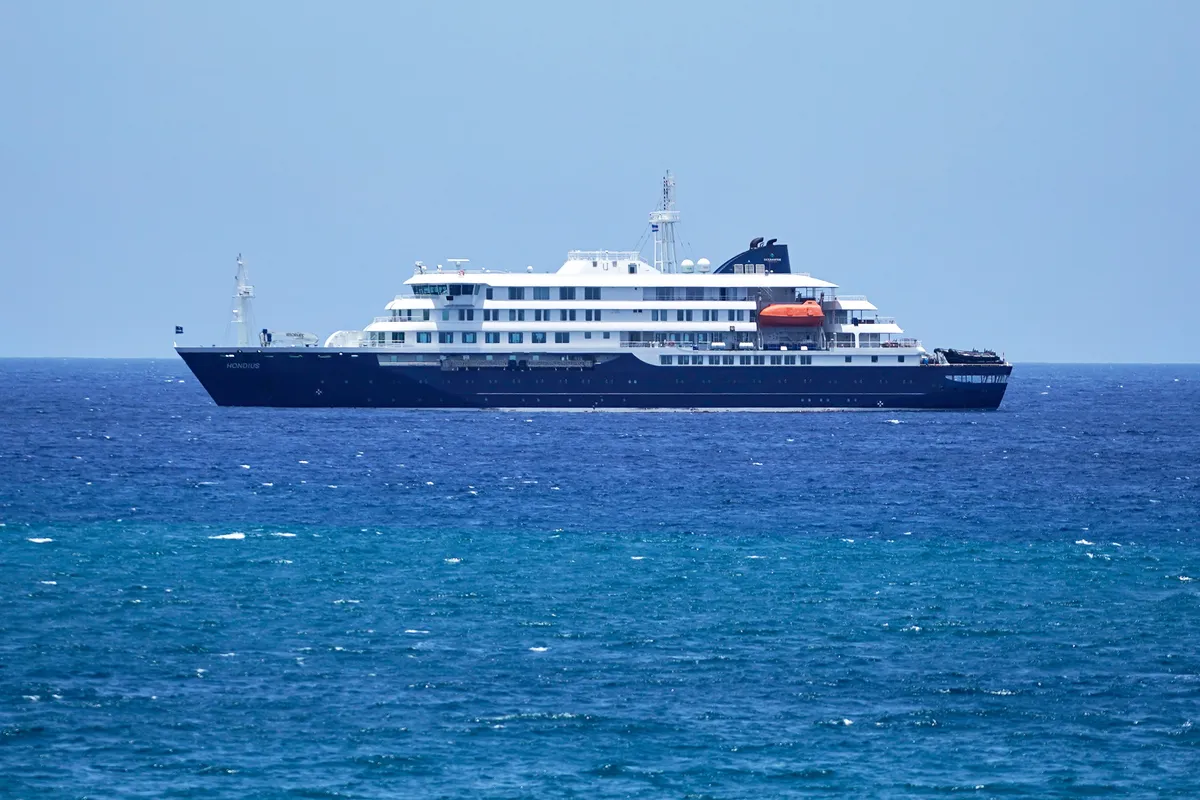
As the subpolar winds sweep in from the Beagle Channel, the tourism industry in Ushuaia is already bracing for potential fallout. Tour operators are reporting that fears surrounding the hantavirus, specifically the Andes variant, have led to cancellations of cruise bookings for the upcoming Antarctic season, particularly among American and European travelers. While specific numbers remain undisclosed, travel agents indicate a trend of potential visitors reconsidering Ushuaia as a destination.
Ángel Brisighelli, owner of the Ushuaia-based Rumbo Sur travel agency, articulated the broader economic concern. "We have seen a number of passengers canceling trips, but my main concern is not the cancellations but people who were thinking about going to Ushuaia but had two or three destinations to choose from and now may go to Southeast Asia or Africa," Brisighelli explained. "That damage won’t be visible until much later." This sentiment underscores the fragility of the tourism economy, particularly for destinations like Ushuaia that hold a significant place in the public imagination, often amplified when discussions turn to infectious diseases.
Official Responses and Public Health Perspectives
Some officials within Tierra del Fuego are adopting a strategy that views any attention, even negative, as a potential opportunity. Juan Pavlov, the secretary of foreign affairs at the Tierra del Fuego Tourism Institute, suggested that the situation, while damaging to the city's reputation, could also serve as a platform to reinforce Ushuaia's image as a secure location. "We suffered a loss of prestige, yes. But this is also a chance to show that Ushuaia is one of the safest places in the world," Pavlov stated. This perspective aims to mitigate the damage and rebuild confidence among potential visitors.
The city's reliance on tourism is substantial, with over 25% of its revenue reportedly generated from this sector. Patricio Cornejo, head of the local travel agency Tierra del Fuego Aventura, emphasized the critical role tourism plays. "Everything would exist in a different reality without the dynamism that tourism creates here, especially when other industries fail to generate momentum," he said. The current economic climate under President Milei, marked by the dismantling of trade barriers affecting local electronics production and a stronger currency that encourages Argentines to travel abroad, further exacerbates Ushuaia's vulnerability.
Expert Opinions and Investigation Challenges
International public health experts have expressed perplexity regarding Argentina's perceived lack of urgency in tracing the precise origin of the hantavirus outbreak. More than two weeks after the Ministry of Health indicated that scientists would be dispatched to Ushuaia to test rodents, researchers from a government institute have reportedly not yet arrived. Tierra del Fuego has historically registered no cases of hantavirus, adding another layer of complexity to the investigation.
Dr. Mark Loafman, a family medicine doctor and public health expert at Cook County Health in Chicago, voiced the need for a scientifically driven approach. "The investigation is going to be key for us to see what we can learn from the outbreak," Dr. Loafman commented. "We’d like to see hypotheses based on science, and not on concern over tourism." The Pan American Health Organization (PAHO), despite Argentina's withdrawal from the World Health Organization, affirmed its collaboration with the Argentine government to bolster case detection and follow-up. PAHO noted that the limited public health relevance for the Americas stems from the endemic nature of the disease in the region, even as the investigation continues.
Focus on Endemic Areas and Official Reassurances
Authorities in Ushuaia maintain that the most probable source of contagion originates from the broader Patagonian region, encompassing southern Chile and three Argentine provinces where the Andes hantavirus, identified in the cruise outbreak, is known to circulate. However, health officials have stated they have no records indicating that the Dutch couple visited these endemic areas during the virus's incubation period, which is estimated to be between nine and 45 days prior to symptom onset.
In response to the growing concerns, local officials have recently reiterated assurances about the safety of key tourist locations. José Contreras, the mayor of Epuyén, a village that experienced a hantavirus outbreak in 2018, stated, "Tourism operators tell us that many trip reservations have been canceled, so we must make this clarification. Epuyén has no hantavirus this season. People should feel at ease and continue to visit." These reassurances aim to counteract negative perceptions and encourage continued tourism to the region.
Impact Analysis
The hantavirus scare, regardless of its definitive origin, poses a significant challenge to Ushuaia's tourism-dependent economy. The city's identity as a pristine, remote destination for Antarctic cruises is directly impacted by health-related anxieties. While local authorities strive to mitigate reputational damage and reassure potential visitors, the economic repercussions could be substantial if travelers opt for alternative global destinations. The situation highlights the delicate balance between promoting tourism and ensuring public health, particularly in a world increasingly sensitive to infectious disease outbreaks. The investigation's outcome and the effectiveness of containment strategies will be crucial in determining the long-term impact on Ushuaia's standing as a premier global travel hub.