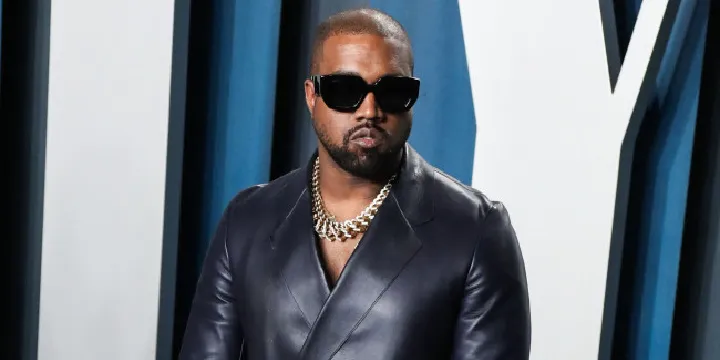
Albanian Prime Minister Edi Rama has confirmed that the artist formerly known as Kanye West, now legally named Ye, is scheduled to perform in Tirana, Albania, on July 11. This announcement comes despite a wave of concert cancellations across Europe in recent months due to the artist's documented history of antisemitic statements and actions. The confirmation was shared via a video on the Prime Minister's Facebook page, showcasing footage from Ye's past performances alongside the event details.
The planned concert has generated significant attention, particularly given the international backlash Ye has faced. The Albanian government, through its Minister of Tourism, Culture, and Sports Blendi Gonxhja, has indicated support for the event, citing potential benefits to the nation's tourism and economy. The construction of a temporary venue, dubbed "Eagle Stadium," is reportedly underway near the Tirana-Durres highway, with an estimated capacity of 60,000 spectators. This development highlights the scale of the anticipated event.
Implications of Ye's Albanian Concert
The decision by Albanian authorities to host Ye, while other European nations have rescinded invitations, positions the country in a unique international spotlight. While the Ministry of Culture stated the concert would be funded by ticket sales, it also acknowledged that partnered institutions would "facilitate" its progression. This suggests a strategic approach by the Albanian government to leverage the event for economic and promotional gains, framing it as an obligation to welcome events that stimulate tourism and the local economy. The ministry anticipates an "extraordinary impact" on tourism and the economy, underscoring the perceived value of such high-profile international engagements.
The context of this concert is crucial, considering Ye's recent controversies. Following a series of antisemitic remarks and the promotion of swastika imagery, concerts in the United Kingdom, France, Poland, and Switzerland were canceled. Australia also imposed an entry ban on the artist. In Italy, a debate is ongoing regarding Ye's scheduled headlining performance at the Hellwatt Festival. Pina Picierno, vice president of the European Parliament, has publicly urged Italian authorities to prevent the concert, contrasting Italy's apparent inaction with the visa denial in the UK and the effective prevention of a concert in Marseille.
Past Controversies and Public Apologies
Ye's public image has been significantly impacted by his remarks, which have drawn widespread condemnation. These include expressing admiration for Adolf Hitler and posting several antisemitic comments on social media platforms. The artist issued a public apology in an advertisement published in The Wall Street Journal in January. In the statement, Ye attributed his behavior to manic episodes associated with untreated bipolar disorder and explicitly denied being a Nazi or an antisemite. However, the impact of these apologies on his ability to perform internationally remains a complex issue, with varying responses from different countries.
Despite the cancellations in some European countries, Ye's world tour is slated to include performances in India, Turkey, The Netherlands, Spain, and Portugal. This continued international engagement, juxtaposed with previous cancellations, points to differing geopolitical and cultural reception patterns regarding controversial artists. The Albanian government's decision to proceed with the concert underscores a potentially different approach to managing the intersection of cultural events, international reputation, and artist controversy.
Economic and Tourism Projections
The Albanian Ministry of Culture's assertion that the concert will bring "numerous benefits to tourism and the economy" is a common rationale for hosting large-scale international events. Such concerts often attract a significant influx of foreign visitors who spend on accommodation, dining, transportation, and local attractions. For Tirana, a city actively seeking to enhance its global profile and develop its tourism sector, an event of this magnitude could provide a substantial economic boost and considerable media exposure. The construction of a dedicated "Eagle Stadium" further suggests a commitment to creating a substantial infrastructure to accommodate the expected audience and potentially serve future large-scale events.
The economic impact, however, is often analyzed alongside the potential reputational risks. While the government focuses on the positive economic externalities, critics and other European nations might view the hosting of an artist with such a controversial past as a signal of disregard for concerns surrounding hate speech and antisemitism. The balance between economic opportunism and international social responsibility is a delicate one, and Albania's handling of this event will likely be closely observed by international bodies and human rights organizations. The projected "extraordinary impact" hinges not only on attendance and spending but also on the broader narrative that the concert generates.
Impact Analysis
The decision to host Ye in Albania, particularly when contrasted with recent cancellations in other major European countries, highlights a divergence in approaches to managing high-profile cultural events featuring artists embroiled in controversy. This situation presents both an opportunity and a challenge for Albania. On one hand, the concert could indeed stimulate the local economy and elevate Tirana's profile as a destination capable of hosting major international acts. This aligns with broader smart city and urban development goals that often prioritize cultural vibrancy and economic growth through tourism.
On the other hand, Albania risks facing international criticism and potentially impacting its diplomatic relations with countries that have taken a firm stance against hate speech. The effectiveness of Ye's apology and his claims of managing bipolar disorder will likely be subject to continued scrutiny, and the Albanian government's support for the concert may be interpreted by some as condoning or downplaying the severity of his past statements. This event serves as a case study in the complex interplay between cultural policy, economic development strategies, and the global discourse on social responsibility in the arts and entertainment sectors. The long-term implications will depend on the concert's execution, audience reception, and the subsequent international discourse surrounding Albania's decision.