In an effort to make the popular hobby of birdwatching more inclusive, a growing national movement is ensuring that individuals with physical and other limitations can fully participate and enjoy nature. This initiative focuses on creating accessible birding experiences, adapting trails, and fostering a welcoming community for all enthusiasts.
Organizations and advocates are working to remove barriers, allowing people with disabilities to engage with the natural world and discover the joys of birding, regardless of their physical capabilities or the speed at which they explore. This includes making information readily available and adapting activities to suit a wide range of needs.
Making Birding Accessible for All
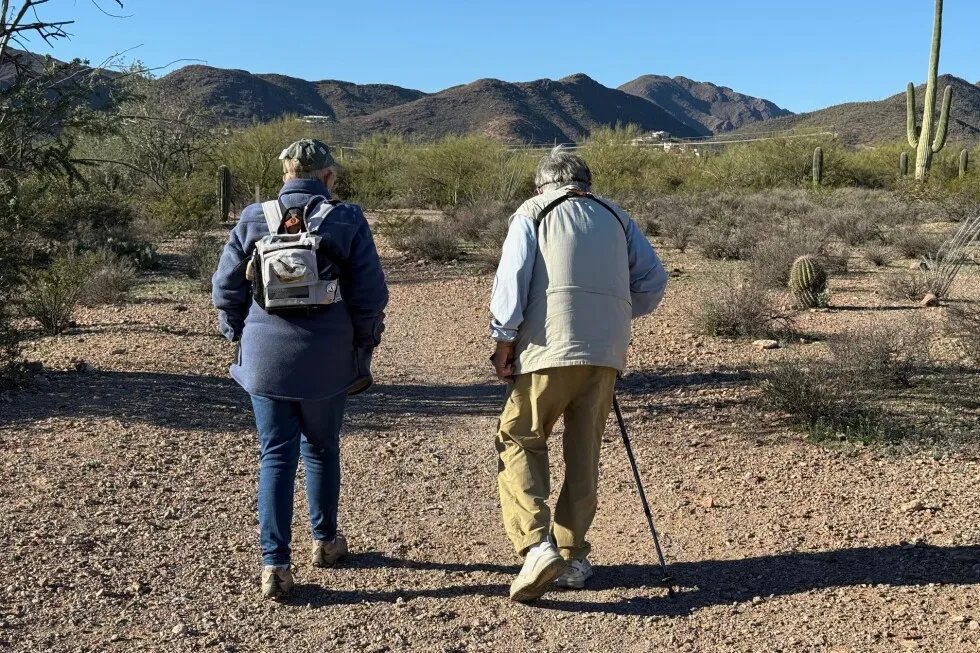
The 'Birding for Every BODY' initiative, exemplified by outings led by individuals like Marcia OBara in Tucson, Arizona, highlights the importance of accessible trails, facilities, and pacing. OBara, who manages COPD and leads these excursions, emphasizes that traditional birding events can sometimes be exclusive due to competitive pacing or focus on species lists, inadvertently excluding those who need a more relaxed and accommodating experience.
For OBara's walks, careful attention is paid to trail conditions, ensuring they are easily traversable for those using mobility aids like scooters or wheelchairs. The availability of accessible restrooms and the presence of resting spots, such as benches, are also crucial considerations. This thoughtful approach allows participants to focus on the experience of observing birds and connecting with nature without facing unnecessary obstacles.
The Growth of Inclusive Nature Experiences
The movement's roots can be traced back to Virginia Rose, a retired teacher who founded Birdability in 2018. Rose, who has used a wheelchair since she was 14, envisioned a world where birding was truly accessible to everyone, regardless of their physical condition. Birdability now works with numerous organizations to assess and improve trail accessibility.
Cat Fribley, Birdability's executive director, notes that the organization caters to a broad spectrum of disabilities, including mobility impairments, visual impairments, chronic illnesses, intellectual or developmental disabilities, and mental health conditions. She emphasizes that accessible birding can take many forms, from navigating designated paths to enjoying sightings from a car or even a backyard deck, especially during challenging weather conditions.
Resources and Adaptive Tools for Birdwatchers
Birdability, in collaboration with the National Audubon Society, has developed a crowdsourced map of accessible birding locations across the United States. This resource helps individuals find suitable spots for their outings. Additionally, the organization provides guidance to encourage more inclusive practices within the broader birding community.
Further support comes from resources like adaptive devices and specialized apps. Occupational therapist Freya McGregor suggests binocular harnesses that distribute weight more evenly, offering greater comfort than traditional neck straps, particularly for individuals with physical limitations. McGregor also offers training to nature organizations to help them create more accessible environments and trails.
The Power of Auditory Birding and Community
For individuals with visual impairments, birding by ear has become a significant way to connect with nature. Jerry Berrier, a blind birder from Massachusetts, highlights the joy and connection derived from identifying birds through their songs. He has developed resources, including a website and a podcast, to support blind bird enthusiasts in recording and sharing their observations.
Berrier also initiated the first national bird-a-thon for blind birders in the U.S., which saw hundreds of participants share the bird calls they identified. This event is expanding internationally, underscoring the growing community and shared passion for birding among individuals with diverse abilities. He stresses the importance of community support to combat the isolation that disabilities can sometimes cause.