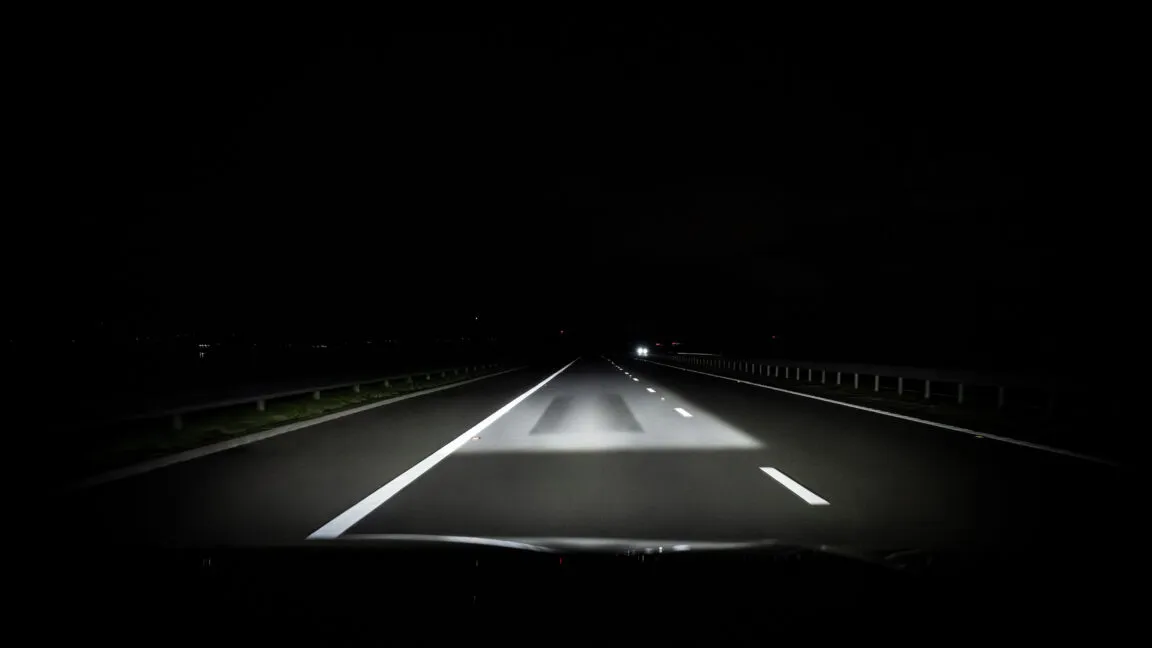
After years of regulatory hurdles and industry lobbying, advanced adaptive beam headlight technology is finally making its debut on American roads. Audi's upcoming Q9 SUV, set to launch later this year, will feature the automaker's sophisticated adaptive beam system. This technology offers significantly improved illumination for drivers while actively minimizing glare for oncoming traffic and other road users. While a common feature in Europe and Japan for some time, its arrival in the US marks a significant upgrade, addressing decades-old lighting regulations.
The United States has historically lagged behind other major automotive markets in adopting advanced headlight systems. Regulations dating back to the 1960s limited vehicles to basic low- and high-beam functions. Leading automotive manufacturers, including Audi, BMW, Mercedes-Benz, Toyota, and Volvo, have actively petitioned the National Highway Traffic Safety Administration (NHTSA) for years to permit the implementation of more modern lighting solutions. These efforts have now culminated in the approval of technologies like adaptive driving beams, moving beyond older laser high-beam systems.
The Evolution of Adaptive Driving Beam Technology
Adaptive Driving Beam (ADB) technology represents a substantial leap forward from traditional headlights. Unlike older systems that relied solely on switching between low and high beams, ADB utilizes multipixel LED units. Each headlight array comprises numerous individual LEDs that can be individually controlled. This granular control allows the system to dynamically shape the headlight beam. By selectively dimming or switching off specific pixels, the system can precisely mask the light that would otherwise shine directly into the eyes of oncoming drivers or illuminate preceding vehicles, all without necessitating a full switch to low beams.
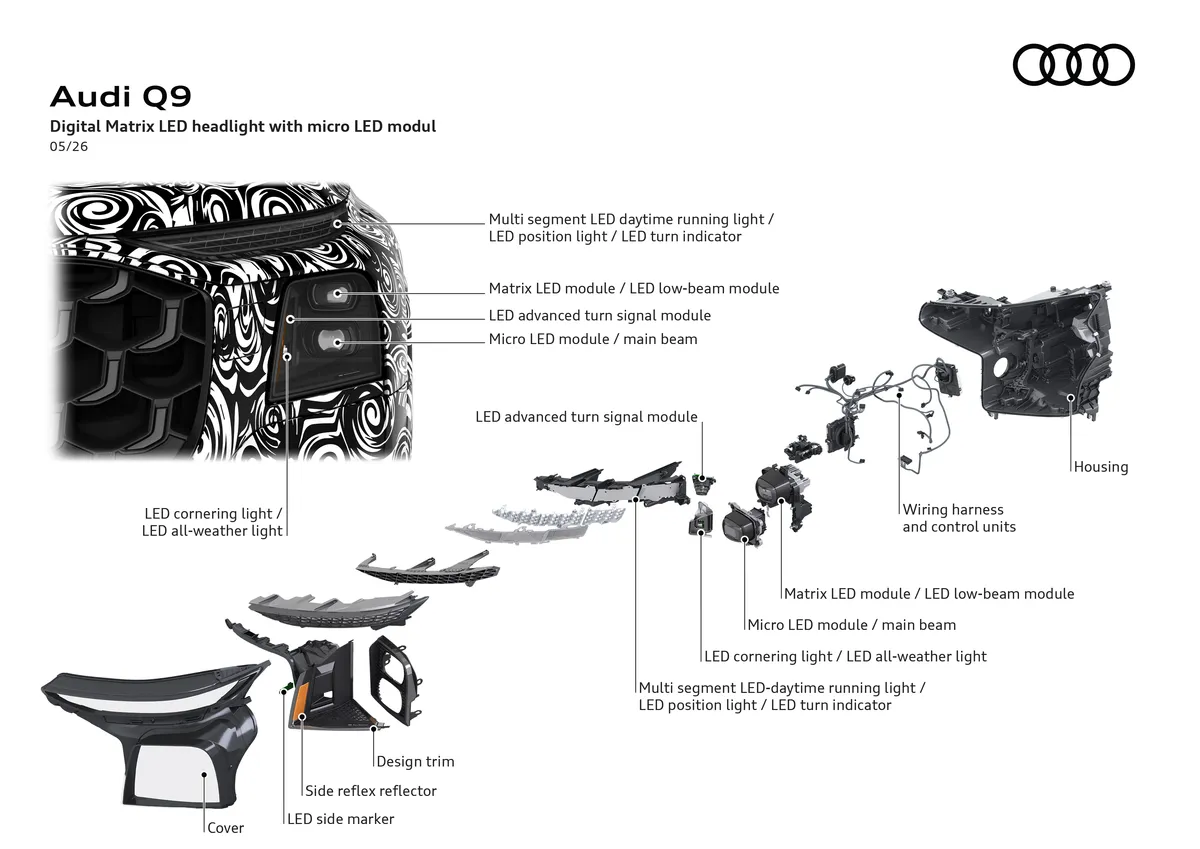 This intelligent illumination management not only enhances visibility for the driver but also significantly improves safety for everyone else on the road. The ability to maintain a brighter, more expansive beam while simultaneously preventing glare is a testament to the sophisticated engineering behind modern automotive lighting. It promises a driving experience where nighttime visibility is less of a compromise and more of a consistent, safe advantage.
Regulatory Journey and Safety Validation
Toyota initiated the push for ADB in the US market in 2013, the same year Audi first introduced the technology in Europe with its A8 model. However, it wasn't until 2022 that NHTSA formally recognized the substantial safety benefits of ADB and signaled its approval for US roads. While European and Japanese regulators had approved similar technologies following road tests and evaluations by independent authorities, NHTSA adopted a more rigorous approach for the American market.
NHTSA's stringent process involved establishing a comprehensive set of tests designed to meticulously verify that these advanced headlights do not cause undue glare to other drivers. This self-certification approach, common in the US where automakers are responsible for ensuring compliance with safety standards, required automakers to provide robust data proving their systems meet the demanding performance criteria before they could be implemented. The extensive testing regime ensures that the technological advancements translate directly into tangible safety improvements for all road users.
Impact Analysis
The integration of adaptive beam headlights into the US market is poised to significantly enhance road safety, particularly for nighttime driving. By providing superior illumination without blinding other drivers, this technology directly addresses a long-standing issue that has plagued vehicle lighting. The increased visibility can lead to quicker reaction times and a reduction in the number of accidents caused by poor lighting conditions. Furthermore, the adoption of such advanced systems by a major automaker like Audi is likely to accelerate the implementation of similar technologies across the industry, fostering a broader shift towards smarter, safer automotive lighting solutions nationwide.