Recent events in British Columbia underscore the critical need for public vigilance regarding bear encounters. A black bear was unfortunately killed in Mission following an aggressive interaction with a resident, while separate reports emerged of grizzly bears being intentionally fed near Smithers. These incidents serve as stark reminders of the consequences when wildlife becomes habituated to human presence and food sources, leading to dangerous situations for both animals and people. The B.C. Conservation Officer Service (BCCOS) is actively addressing these situations, reinforcing the message that attracting bears into residential or human-occupied areas carries severe penalties and poses significant risks.
The province's conservation authorities are urging the public to take all necessary precautions to prevent bears from accessing human food and habitats. Such actions are not only illegal but can lead to irreversible habituation, making relocation impossible and often resulting in the euthanasia of the animal. The fines for attracting dangerous wildlife, including bears, can reach up to $100,000, alongside potential jail time. These measures reflect the seriousness of maintaining a safe coexistence between humans and wildlife, emphasizing that proactive prevention is key to minimizing negative encounters.
Bear Attack and Euthanasia in Mission
In Mission, a black bear sow was euthanized after an attack on a man’s property. The incident occurred when the man attempted to deter the bear by making noise as it approached his home. According to the B.C. Ministry of Environment, the bear charged and swatted the individual. Conservation officers were able to identify the animal as one with a known history in the area and exhibiting a lack of fear towards humans, which ultimately led to the decision for its dispatch. This response, while distressing for observers, prioritizes public safety.
Sgt. Jeremy Pauls of the BCCOS stated that the decision was made due to the specific circumstances of the attack and the bear's prior behavior indicating comfort around people. "We recognize this incident and response may be distressing to people," he noted. "In this case, it was determined that due to the location and nature of the attack, as well as its previous history that displayed comfort around people, the bear was dispatched to ensure public safety." While the sow was euthanized, two yearlings associated with it were captured and relocated to a wilderness area, as they did not exhibit problematic behaviors.
Disturbing Reports of Grizzlies Being Fed Near Smithers
Concurrently, the BCCOS is investigating alarming reports of individuals actively feeding grizzly bears in the Smithers area, specifically near Hudson’s Bay Road. Videos circulating on social media appear to show men feeding a grizzly bear from a vehicle with a carrot and another instance where a man is seen attempting to feed an apple to a grizzly bear while a second bear is present in the background. 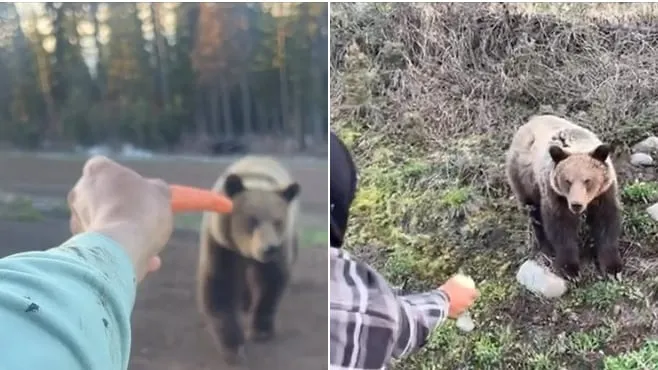
Conservation Officer Cody Cyr emphasized the severe risks associated with such actions. "Feeding dangerous wildlife is not only illegal, but an extremely risky activity both for the safety of the person, as well as the bear," Cyr stated. "These individuals could have been seriously hurt, or worse. Feeding bears is not helping them. Feeding bears creates a public safety risk by conditioning the animals to human food and presence." The BCCOS is working to identify the individuals involved and remind the public that intentionally feeding bears is illegal and dangerous.
Preventing Bear Encounters: Best Practices
To mitigate the increasing number of human-bear conflicts, the BCCOS provides clear guidelines for residents and visitors in bear country. Essential practices include meticulous management of attractants such as garbage, pet food, and compost. Secure storage of these items in bear-proof containers or indoors is paramount. Proper disposal of garbage, ensuring bins are not left out overnight, and promptly cleaning up fallen fruit from trees are also vital steps.
Encounters with bears, even seemingly minor ones, can escalate rapidly if not managed correctly. The service strongly advises against approaching or interacting with bears, and recommends making noise while hiking to avoid surprising them. If a bear is encountered, maintaining a safe distance, remaining calm, and backing away slowly without direct eye contact are crucial. The public is reminded that the goal is to keep bears wild and minimize their reliance on human-associated food sources, which ultimately benefits both wildlife and community safety.
Historical Context and Wildlife Management
The challenge of managing bear populations and their interactions with humans is ongoing in British Columbia. Since 2011, over 8,000 black bears have been killed by conservation officers, often because they were deemed too habituated or dangerous to relocate. While conservation efforts aim to reduce lethal interventions, incidents like the one in Mission highlight the difficult decisions authorities face when public safety is at risk. 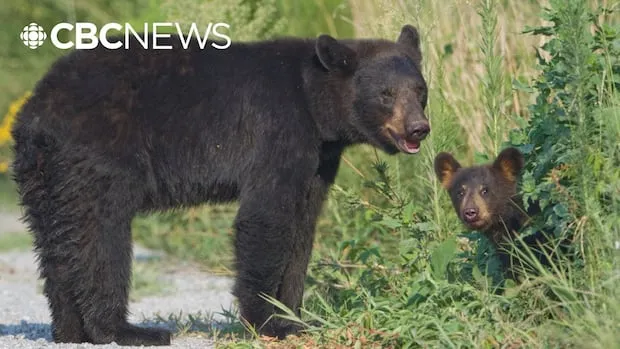
The BCCOS continually reviews its management strategies, balancing wildlife protection with human safety concerns. The reported incidents near Smithers, involving direct feeding of grizzlies, present a particular challenge, as grizzly bears are apex predators and their habituation to humans can have even more severe consequences than with black bears. The service is committed to enforcing regulations and educating the public to foster a safer environment for all residents and wildlife.
Impact Analysis
The recurring nature of bear-related incidents, particularly those involving human feeding, signals a persistent gap in public awareness and adherence to wildlife safety protocols. This issue not only endangers individuals and leads to the tragic loss of bears but also strains the resources of the BCCOS. A sustained and intensified public education campaign, possibly incorporating community outreach programs and clearer signage in high-risk areas, could be crucial. Furthermore, consistent enforcement of existing penalties is vital to deterring such dangerous practices. The long-term impact of these conflicts influences ecosystem health and community perception of wildlife management, making proactive and comprehensive solutions imperative.