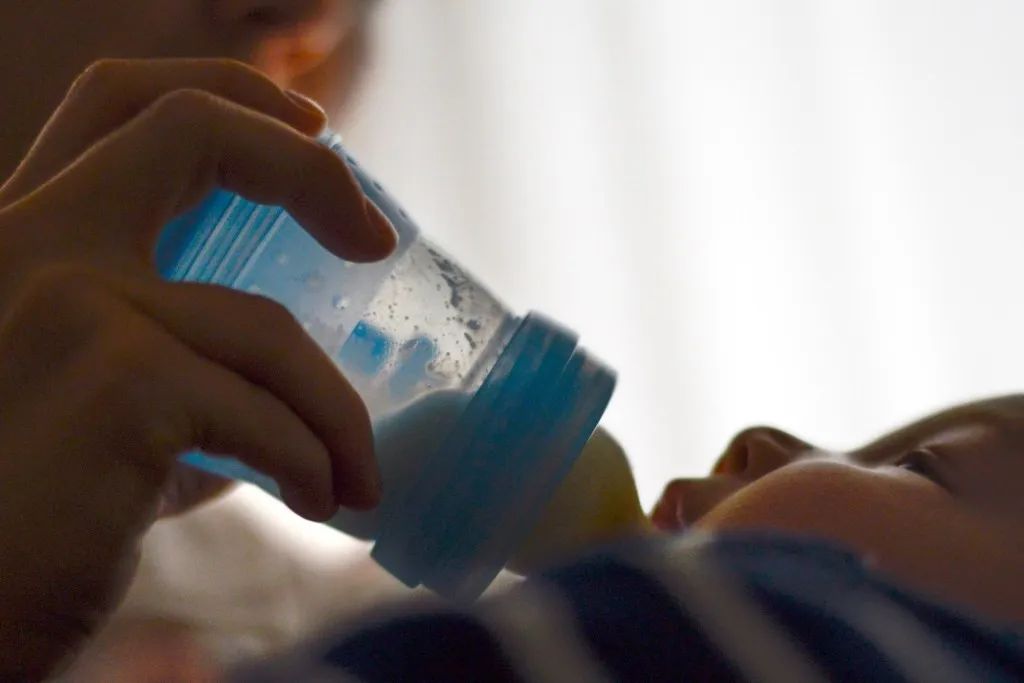
California lawmakers are advancing legislation that would require infant formula manufacturers to disclose the levels of heavy metals, including arsenic, cadmium, lead, and mercury, in their products. This proposed measure, Assembly Bill 2302, championed by Assemblymember Celeste Rodriguez, seeks to bridge a perceived gap in existing regulations that mandate similar testing and disclosure for baby food but not formula. The bill aims to make this crucial information accessible to parents, primarily through QR codes on product packaging, empowering them to make more informed choices for their infants.
The initiative stems from growing concerns about the presence of toxic elements in products intended for vulnerable infants. Recent legal actions by the California Attorney General against major formula companies over lead content have further underscored the need for greater transparency. While the industry asserts that current testing meets international standards and that trace amounts are unavoidable and not alarming, advocates argue that parents have a right to this information, especially given the potential neurodevelopmental impacts of heavy metal exposure. This legislative push aligns with a broader, bipartisan national movement focusing on child safety and reducing exposure to harmful contaminants.
Legislative Push for Transparency in Infant Formula
Assemblymember Celeste Rodriguez, who recently gave birth to her second child, has taken a leading role in advocating for Assembly Bill 2302. Her personal experience as a legislator navigating maternity leave while also pushing for maternal and infant health initiatives has provided a unique perspective. The bill's core requirement is that formula manufacturers publish the detected levels of arsenic, cadmium, lead, and mercury for each batch of infant formula online. Consumers would be able to access this data by scanning a QR code affixed to the product in stores, a system designed for ease of use and accessibility for parents making critical purchasing decisions.
This legislative effort follows similar actions taken in California and other states in 2023, which introduced requirements for heavy metal testing and disclosure for baby food. However, infant formula was notably excluded from these prior regulations. Supporters of AB 2302, such as the nonprofit Children Now, emphasize that providing accessible information empowers parents to make the best decisions for their children. Carley Clemons, a senior policy associate at Children Now, stated that parents should not be kept in the dark about the composition of the food they provide to their infants, especially when heavy metals can be present even in breast milk and other common foods.
Bipartisan Support and National Trends
The movement to regulate and disclose heavy metals in infant formula is gaining traction across the political spectrum nationwide. This bipartisan support includes initiatives from federal officials, such as Health and Human Services Secretary Robert F. Kennedy Jr., who has indicated plans for a federal study on formula contaminants. State-level actions are also proliferating, with various states proposing or enacting legislation similar to California's AB 2302. This indicates a growing consensus that federal regulations, which have recently begun testing for chemical contaminants but have not yet established action levels, may be insufficient.
Despite broad support, the proposed legislation faces opposition from industry groups like the Infant Nutrition Council of America (INCA). INCA, whose members include major formula producers such as Abbott Nutrition, Perrigo Nutrition, and Reckitt (Mead Johnson), argues that such disclosure mandates could unnecessarily alarm parents and erode confidence in the safety of U.S. infant formula products. They maintain that their members already conduct rigorous testing that adheres to international standards and that the presence of heavy metals is in trace amounts, posing no significant risk. INCA's representatives have expressed concern that labeling could lead parents to abandon formula for potentially unsafe homemade alternatives.
Parental Concerns and Industry Opposition
Parents who rely on formula for infant nutrition often face significant stress when selecting products, particularly when comprehensive information about potential contaminants is not readily available. Leah Dennis, a mother from Los Angeles, shared her experience of having to quickly choose a formula for her infant due to breastfeeding challenges, highlighting the immense pressure and lack of transparency she encountered. She believes that access to clear data on heavy metal levels would have alleviated much of this stress, advocating for greater openness from manufacturers. Rodriguez echoes this sentiment, pointing out that existing regulations for baby food have not caused widespread panic among parents, but rather informed decision-making.
The opposition from INCA is not new; the council has lobbied against similar bills in other states, such as Maryland and Vermont. Their argument centers on the potential for parental anxiety and a perceived lack of necessity, given their internal testing protocols. However, proponents of the legislation, including state delegates and advocacy groups, counter that if the products are indeed safe and meet rigorous standards, manufacturers should not fear transparency. The failure of similar bills in some states, and the conditional nature of legislation in others (like Vermont's bill, which hinges on California's action), underscores the significant influence of industry lobbying on this issue.
Regulatory Landscape and Future Implications
The presence of heavy metals in food, including infant formula, is a recognized public health concern. Studies have linked exposure to neurodevelopmental disorders, and organizations like Project TENDR advocate for protecting children from toxic chemicals. While the U.S. Food and Drug Administration (FDA) has initiatives like 'Closer to Zero' aimed at reducing heavy metal exposure in foods eaten by babies and young children, this program has historically excluded infant formula, creating what critics call a regulatory loophole. Recent FDA actions, including 'Operation Stork Speed' and testing initiatives, indicate a growing federal focus, but the pace of regulatory change is a concern for advocates.
California's legislative action is seen as a critical step, with many other states waiting to see if AB 2302 passes before advancing their own proposals. The success of this bill could set a precedent, encouraging other states to adopt similar transparency measures. Conversely, its failure could dampen efforts nationwide. Given that a substantial percentage of infants in California counties rely on formula, ensuring the safety and transparency of these products is a matter of significant public health interest. The outcome of AB 2302 is therefore likely to have reverberations across the country, influencing the regulatory landscape for infant formula for years to come.
Impact Analysis
The passage and implementation of California's Assembly Bill 2302, or similar legislation in other states, could significantly alter the infant formula market. Mandated heavy metal disclosure would force greater transparency from manufacturers, potentially driving them to further optimize their production processes to minimize contaminant levels if they wish to present their products favorably. This could lead to improved product safety standards across the industry over time. Furthermore, increased parental awareness and demand for detailed product information may influence purchasing habits and encourage the development of formulas with even lower contaminant profiles.
The opposition from industry groups highlights the economic and competitive implications of such regulations. While companies argue against perceived over-regulation that might cause unwarranted consumer alarm, proponents see it as a necessary step for public health. If California becomes a leader in this area, it could pressure federal regulators to establish more definitive standards for heavy metals in infant formula, aligning state and federal oversight. The potential for increased parental scrutiny and demand for transparency could also foster innovation in testing methodologies and product development, ultimately benefiting infant health.