Peptides, short chains of amino acids, are fundamental building blocks of proteins and play a crucial role in numerous biological processes within the human body. Their significance extends from cellular communication and signaling to enzyme activity and structural support. In recent years, peptides have garnered considerable attention not only in scientific research but also in the fields of cosmetics and therapeutics due to their diverse and potent biological activities. Understanding the different types of peptides and their specific functions can illuminate their potential to enhance bodily mechanisms and improve overall health and appearance.
The versatility of peptides lies in their ability to interact with specific cellular receptors, thereby triggering a cascade of beneficial effects. This targeted action makes them valuable for a wide array of applications, ranging from anti-aging skincare formulations to pharmaceutical interventions for various medical conditions. As research continues to uncover new peptide sequences and their associated functions, the landscape of peptide-based treatments and products is rapidly expanding. This exploration delves into some of the most impactful peptides, highlighting their unique properties and how they contribute to bodily well-being.
The Science and Application of Peptides
Signaling Peptides
Signaling peptides are a class of molecules that act as messengers, transmitting signals between cells to regulate physiological functions. In skincare, for instance, certain signaling peptides are designed to mimic naturally occurring peptides that stimulate collagen production, a vital protein for maintaining skin's firmness and elasticity. As we age, collagen synthesis declines, leading to wrinkles and sagging. Peptides like Matrixyl (palmitoyl pentapeptide-4) and copper peptides work by signaling fibroblasts to produce more collagen and elastin, thus improving skin texture and reducing the appearance of fine lines and wrinkles. These peptides are often incorporated into serums and creams, offering a targeted approach to anti-aging.
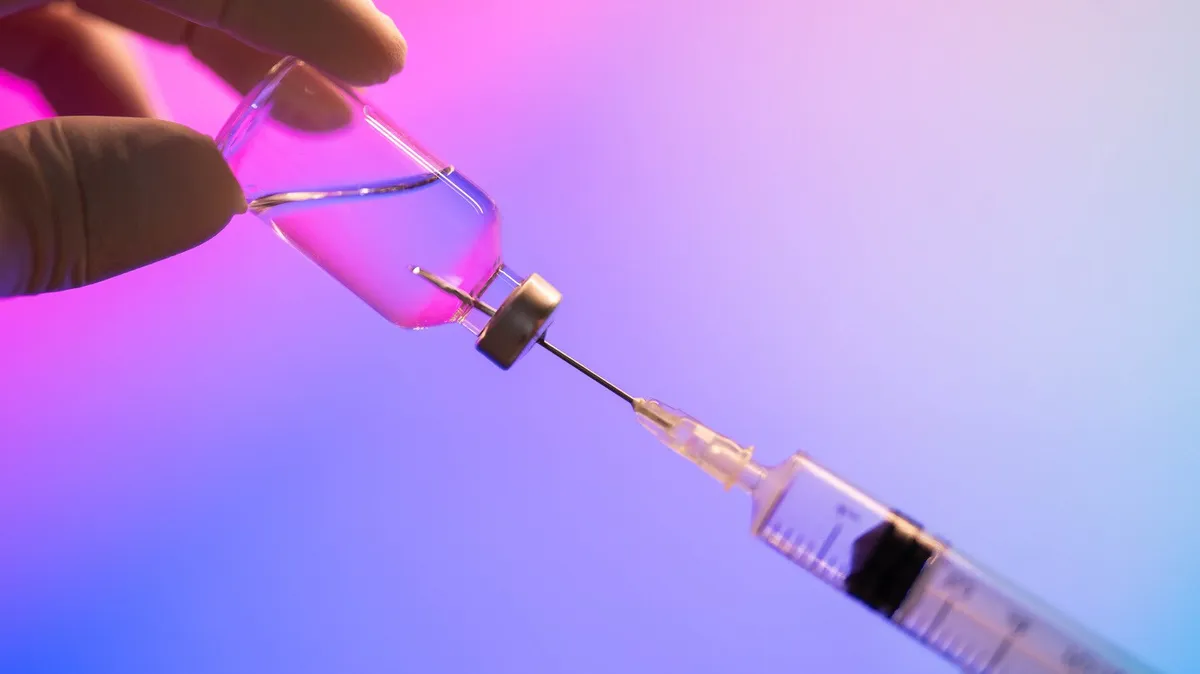 Beyond their cosmetic applications, signaling peptides are being investigated for their therapeutic potential in wound healing and tissue regeneration. By encouraging cellular repair and growth, they can accelerate the recovery process. For example, growth factors, which are a type of signaling peptide, are crucial for cell proliferation and differentiation, making them indispensable in regenerative medicine. The precise nature of their signaling pathways allows for highly specific interventions, minimizing off-target effects and maximizing therapeutic efficacy.
Enzyme Inhibitor Peptides
Enzyme inhibitor peptides function by blocking the activity of specific enzymes. This mechanism is particularly relevant in conditions where excessive enzyme activity contributes to pathology. For example, in certain inflammatory conditions, specific enzymes might be overactive, leading to tissue damage. Inhibitor peptides can selectively bind to these enzymes, reducing their detrimental effects. In the realm of cosmetics, peptides like Inhibiting Peptide (acetyl hexapeptide-8), often marketed as Argireline, work by inhibiting muscle contractions, thereby reducing the appearance of expression lines, similar to a less invasive alternative to Botox.
This targeted enzyme inhibition is a powerful tool in drug development. For instance, research is exploring the use of enzyme inhibitor peptides to combat diseases like cancer, where certain enzymes might promote tumor growth or metastasis. By designing peptides that specifically target these cancer-promoting enzymes, scientists aim to develop novel therapies with potentially fewer side effects than traditional chemotherapy. The specificity of these inhibitors is key to their therapeutic promise, offering a more refined approach to disease management.
Carrier Peptides
Carrier peptides are characterized by their ability to deliver essential trace elements, such as copper and magnesium, to cells. Copper peptides, like GHK-Cu (glycyl-L-histidyl-L-lysine copper peptide), are a prominent example. Copper is an essential mineral involved in numerous enzymatic processes, including collagen synthesis, antioxidant defense, and wound healing. GHK-Cu not only delivers copper but also exhibits its own signaling properties, promoting collagen and elastin production, reducing inflammation, and acting as an antioxidant. It is widely used in skincare for its regenerative and anti-inflammatory benefits.
The role of carrier peptides in delivering vital minerals is crucial for maintaining cellular health and function. Copper, for instance, is a cofactor for enzymes involved in energy production and neurotransmitter synthesis. When delivered effectively by carrier peptides, copper can help replenish cellular stores and support these critical metabolic pathways. This targeted delivery ensures that these essential trace elements are available where and when they are needed most, optimizing their biological impact.
Neurotransmitter Inhibitor Peptides
These peptides work by interfering with the transmission of nerve signals. A notable example in cosmetic science is acetyl hexapeptide-8 (Argireline), which is a topical peptide that inhibits the release of neurotransmitters responsible for muscle contractions. By preventing the muscle from contracting as forcefully, it helps to smooth out facial expression lines, particularly around the eyes and forehead.
The application of neurotransmitter inhibitor peptides extends beyond cosmetic uses. Research is ongoing to explore their potential in managing conditions involving muscle spasticity or involuntary movements. By modulating nerve signaling, these peptides could offer new therapeutic avenues for neurological disorders. However, the precise control required for such applications necessitates rigorous research and clinical trials to ensure safety and efficacy.
Other Notable Peptides and Their Functions
Peptide BPC-157
Body Protective Compound 157 (BPC-157) is a synthetic peptide derived from a protein found in human gastric juice. It has garnered significant interest for its remarkable healing properties, particularly in promoting tissue repair and regeneration. Studies suggest it can accelerate the healing of muscles, tendons, ligaments, and even internal organs. Its mechanism of action is thought to involve increased growth hormone receptor expression and modulation of inflammatory responses.  While research is promising, BPC-157 is still considered experimental, and its use is primarily confined to research settings and off-label applications.
The unique ability of BPC-157 to promote healing across various tissue types makes it a subject of intense scientific scrutiny. It has shown potential in protecting against gastrointestinal issues, aiding in the recovery from injuries, and even exhibiting neuroprotective effects. The broad spectrum of its reported benefits underscores the need for further clinical investigation to fully understand its therapeutic potential and establish its safety profile for human use.
GHK-Cu Peptides
As mentioned earlier, GHK-Cu is a peptide complex comprising GHK and copper. This peptide is highly regarded for its potent anti-aging and skin-rebuilding capabilities. Beyond stimulating collagen and elastin production, it helps to remove damaged collagen and elastin from scar tissue, promoting smoother skin texture. It also possesses antioxidant and anti-inflammatory properties, making it beneficial for overall skin health and repair. 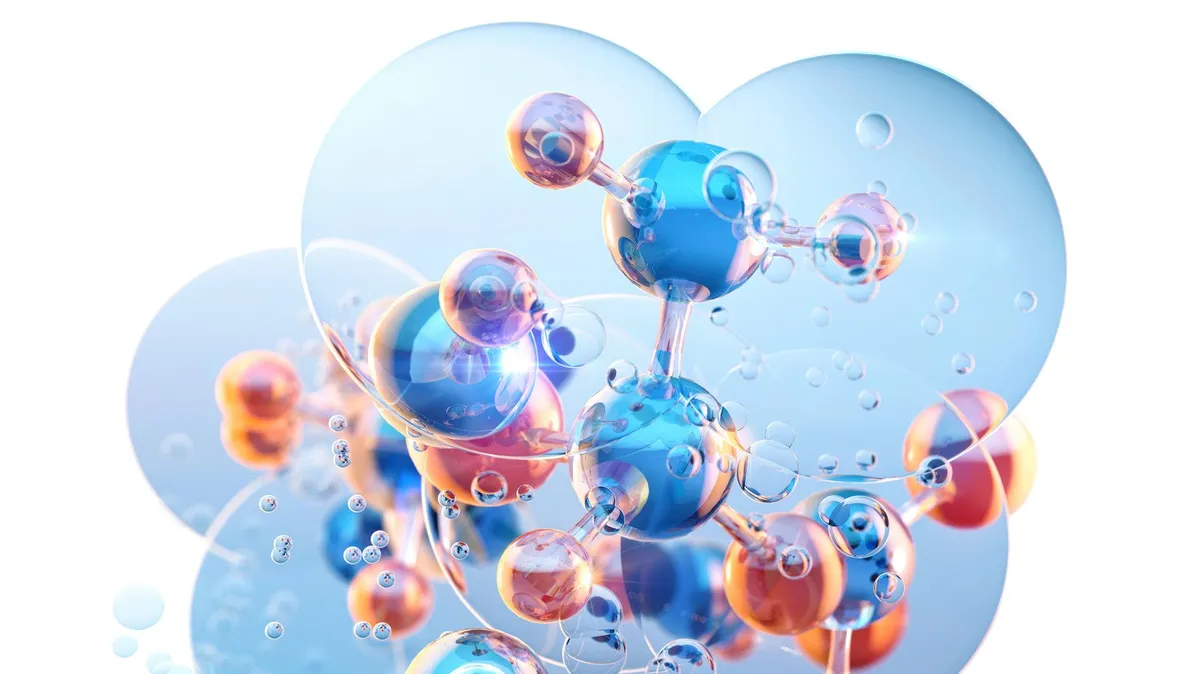 Its presence in numerous high-performance skincare products attests to its effectiveness.
The regenerative actions of GHK-Cu are multifaceted. It not only encourages the synthesis of new extracellular matrix components but also actively clears away damaged ones, a critical process for preventing the accumulation of scar tissue and maintaining youthful skin structure. Its antioxidant capacity further protects skin cells from oxidative stress, a major contributor to premature aging, solidifying its role as a powerful anti-aging agent.
Peptides and FDA Approval
The regulatory status of peptides varies significantly depending on their intended use. Peptides used in regulated pharmaceuticals undergo rigorous testing and approval processes by agencies like the U.S. Food and Drug Administration (FDA). These approved peptide drugs are used to treat a range of conditions, including diabetes, multiple sclerosis, and certain cancers. However, many peptides used in the cosmetic industry, particularly those marketed for topical application, may not have undergone the same level of scrutiny or possess FDA approval for specific therapeutic claims.  Consumers should be aware that while cosmetic peptides can offer aesthetic benefits, they are not regulated as drugs, and their efficacy and safety for specific health claims may not be scientifically validated by regulatory bodies.
It is crucial for consumers to differentiate between FDA-approved peptide therapeutics and cosmetic ingredients. While both may leverage peptide technology, their regulatory pathways and intended outcomes differ significantly. Approved medications are backed by extensive clinical data demonstrating safety and efficacy for treating specific diseases, whereas cosmetic ingredients often rely on manufacturer-led studies or theoretical mechanisms of action. This distinction is vital for informed decision-making regarding health and wellness choices.
Considerations Before Using Peptides
Research and Quality
Given the vast array of peptides and their varying levels of scientific backing, it is essential to research any peptide product thoroughly before use. For therapeutic peptides, consulting with a healthcare professional is paramount. For cosmetic applications, looking for products from reputable brands that provide transparent ingredient lists and evidence of efficacy is advisable. Understanding the source and quality of the peptide is key to ensuring both safety and desired results. 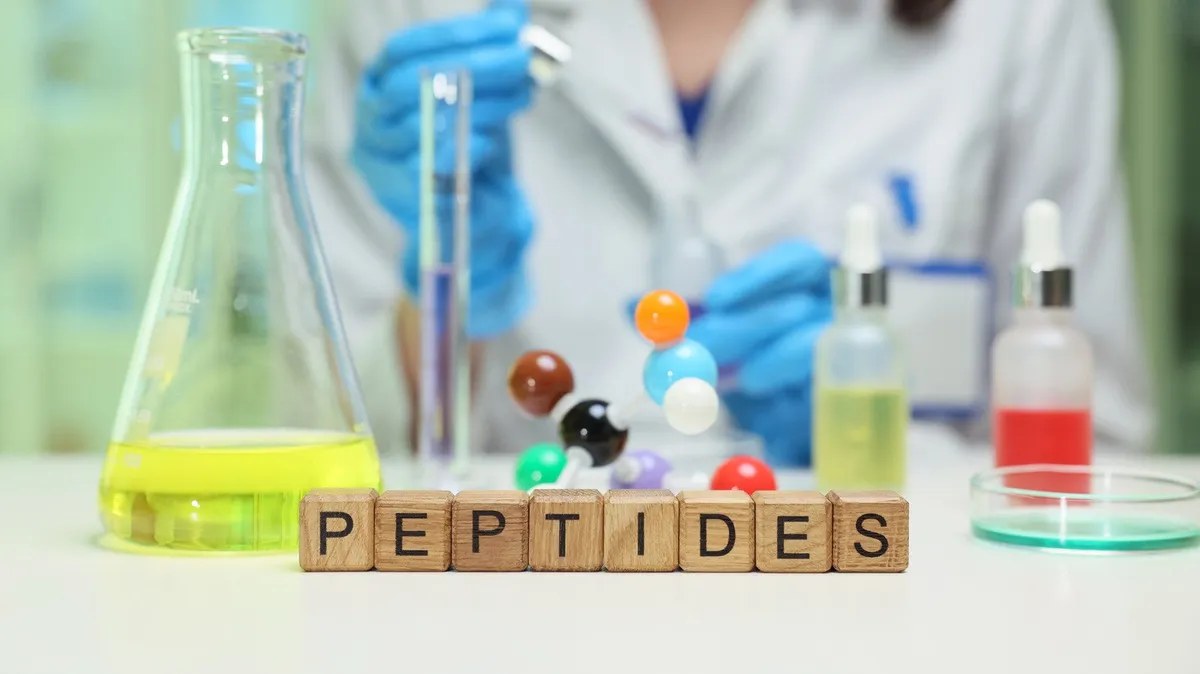
The landscape of peptide research is continually evolving, with new discoveries being made regularly. Staying informed about the latest scientific findings and clinical studies can help consumers make more educated choices. For peptides used in skincare, factors like peptide concentration, formulation stability, and delivery systems can significantly influence their effectiveness. Reputable brands often invest in research and development to optimize these aspects, providing consumers with more reliable and potent products.
Potential Side Effects and Interactions
While peptides are generally considered safe, particularly when used as directed and within appropriate contexts, potential side effects and interactions can occur. For injectable or therapeutic peptides, side effects can range from localized reactions at the injection site to more systemic effects, depending on the specific peptide and dosage. It is crucial to discuss any concerns about potential side effects or interactions with a healthcare provider, especially if you are taking other medications or have pre-existing health conditions.
Topical peptide formulations are typically well-tolerated, but some individuals may experience mild skin irritation, redness, or allergic reactions. Patch testing new products is always recommended, especially for those with sensitive skin. Furthermore, the interaction of peptides with other active ingredients in a skincare regimen should be considered. While many peptides can be combined with other ingredients, some combinations might reduce efficacy or increase the potential for irritation. Consulting with a dermatologist or skincare professional can provide personalized guidance on integrating peptides into a routine safely and effectively.
 Peptides represent a powerful and versatile class of molecules with significant implications for both health and beauty. From stimulating collagen production in the skin to potentially aiding in tissue repair and managing disease, their applications are vast and continue to expand with ongoing research. By understanding the different types of peptides, their mechanisms of action, and the importance of choosing high-quality, well-researched products, individuals can better harness their benefits.