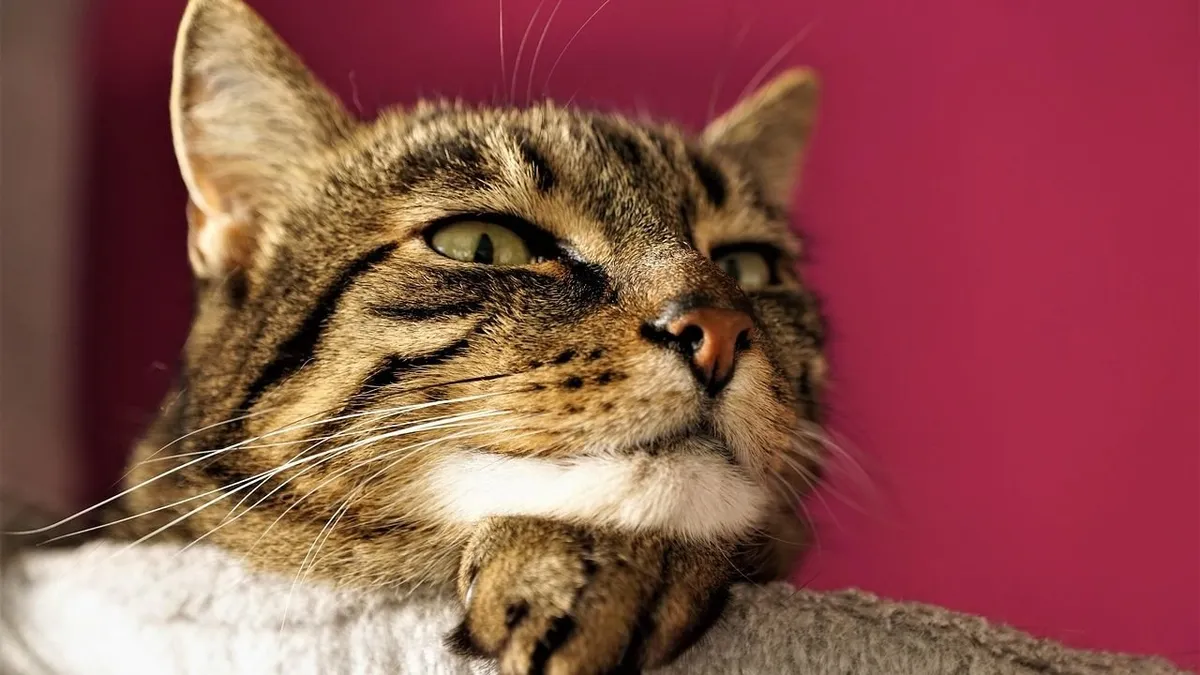
Humans often perceive cats as enigmatic creatures, prone to aloofness and unpredictable moods. However, beneath this common perception lies a sophisticated inner world, rich with emotion, intricate communication, and deeply ingrained instincts. Understanding these nuances is crucial for fostering a stronger bond with our feline companions. Cats express affection and their needs in ways that can be easily missed by those not attuned to their subtle signals. Recognizing these cues is not just about improving companionship; it's about respecting a species with a unique evolutionary history and a complex psychological landscape.
The domestication of cats has led to a fascinating interplay between their ancestral behaviors and their adaptation to domestic life. While they have bonded with humans, their core instincts related to territory, survival, and communication remain potent. Many behaviors that owners interpret as problematic or as signs of indifference are, in fact, direct communications rooted in these fundamental feline traits. By delving into their methods of expressing love, their vocalizations, their body language, and their responses to environmental stressors, we can move beyond anthropomorphism and toward a genuine understanding of the feline mind.
Understanding Feline Communication and Emotional Expression
One of the most persistent myths surrounding cats is their supposed lack of attachment to humans. This is fundamentally untrue; cats form deep bonds but exhibit their affection through subtler gestures than their canine counterparts. Behaviors such as slow blinking, head bunting (rubbing their head against you), sleeping in your proximity, and following you throughout the house are all indicators of trust and deep affection. These actions, particularly coming from an animal wired for self-preservation, signify a significant level of comfort and security with their human. The slow blink, in particular, is a well-researched feline behavior akin to a kiss. When a cat slowly lowers and raises its eyelids, it is conveying a sense of peace and trust. Engaging in this behavior yourself by mimicking a slow blink can strengthen this interspecies communication.
The auditory signals cats employ are equally nuanced. While kittens meow to their mothers, adult cats primarily reserve meowing for human interaction. Hisses, growls, and other vocalizations are typically reserved for inter-cat communication. This suggests that the human-directed meow is a learned behavior, developed specifically to elicit responses from their human caretakers. Scientists have identified numerous distinct meow patterns, each carrying specific intentions. A long, drawn-out meow often signals a need for attention or indicates something important the cat wishes to convey. Conversely, a short, higher-pitched meow or a trilling sound typically serves as a friendly greeting. Understanding these vocal cues allows owners to better interpret their cat's immediate needs and desires.
The Significance of Tone and Body Language
Cats are highly sensitive to the tone and cadence of their owner's voice. While they can learn to associate certain sounds with actions or commands, their primary response is to the emotional delivery of the message. A harsh, low-pitched tone can be perceived as threatening or angry, potentially causing distress, whereas a soft, high-pitched, and gentle tone conveys warmth and approval. This makes vocal communication a delicate art for cat owners; an aggressive or loud sound like a sharp 'shush' might be misinterpreted as a hiss, leading the cat to believe you are hostile. Cats are constantly observing and calibrating their behavior based on their owner's emotional cues, making the way you speak as important as what you say.
Beyond vocalizations, a cat's body language is a constant stream of information about their emotional state. The tail, ears, whiskers, and eyes all provide vital clues. A tail held high with a slight curve at the tip often indicates contentment and friendliness, while a rapidly twitching or thrashing tail can signal agitation or annoyance. Ears pointed forward suggest curiosity and attentiveness, whereas ears flattened back or to the side can denote fear or aggression. Even seemingly innocent behaviors, like exposing their belly, are forms of communication. While this gesture signifies immense trust, it is not always an invitation for a belly rub; it's an expression of vulnerability, and owners should respect this boundary to maintain that trust. Misinterpreting this can lead to defensive reactions like scratching or biting, undermining the established rapport.
Addressing Feline Stress and Enrichment Needs
Stress is a significant, often underestimated, factor affecting a cat's health and quality of life. Unlike dogs, cats are adept at concealing signs of distress, making it difficult for owners to identify and address. This internal struggle can manifest physically, with conditions like dermatitis and cystitis increasingly being linked to chronic stress and elevated stress hormones. The ancestral feline tendency towards territoriality and solitude means that social conflicts, such as living with incompatible animals, can be a major source of anxiety. Ensuring a cat feels secure in its environment is paramount, as perceived threats to this security can trigger stress-related issues.
Furthermore, domestic cats retain strong predatory instincts that require outlets for mental and physical stimulation. A sedentary lifestyle, even with adequate food and shelter, can lead to behavioral problems such as over-grooming, anxiety, and destructive tendencies. Providing environmental enrichment is essential. This can include interactive toys, puzzle feeders that challenge their problem-solving skills, vertical spaces like cat trees or shelves for climbing and observing, and regular play sessions that mimic hunting behaviors. These activities fulfill their innate need to hunt and explore, channeling their energy constructively and preventing boredom-induced stress. When cats engage their minds and bodies, they experience improved overall well-being.
The Unique Human-Feline Social Dynamic
From a cat's perspective, humans are perceived not as a different species, but as a larger, somewhat unusual companion animal. This remarkable insight, noted by cat behaviorists, suggests that cats apply the same social behaviors towards humans that they use with other cats, particularly their mothers. This explains the deep, personal connection many owners feel. Behaviors like kneading, purring, and rubbing are all derived from the kitten-mother relationship. Kittens knead to stimulate milk production and later to show contentment and trust. The act of purring is often associated with happiness, but it can also be a self-soothing mechanism, much like a mother cat might use to comfort her kittens.
The instinct to 'gift' their humans with prey, such as mice or birds, is another behavior rooted in their social structure. Cats view their human family as part of their social group or 'pack.' By bringing their kills home, they are acting out of instinct to provide for the group and demonstrate their hunting prowess, essentially sharing their success with their adopted family. While this behavior can be unsettling for owners, it's a profound expression of a cat's role and affection within its perceived social unit. Recognizing these behaviors as instinctual and communicative, rather than merely odd or unwanted, allows for a more harmonious and understanding relationship between cats and their human caregivers.
Conclusion: Fostering Deeper Understanding
Understanding your cat involves recognizing that they communicate in a sophisticated language of subtle cues, vocalizations, and body language, largely developed for interaction with humans. Their expressions of affection might be indirect, their needs communicated through tone rather than words, and their behaviors deeply rooted in ancient instincts. By observing slow blinks, interpreting tail flicks, listening to varied meows, and respecting their need for security and stimulation, owners can move beyond guesswork to establish a truly profound connection.
The journey to understanding your feline companion is one of continuous observation and empathy. It requires acknowledging their complex emotional lives and their innate needs, which may differ significantly from human expectations. When owners invest the time to learn and respond to these feline signals, they not only enhance their cat's well-being but also enrich their own lives with a deeper, more rewarding companionship. The greatest gift you can give your cat is not just sustenance, but genuine understanding and a responsive environment.