With traditional gasoline-powered vehicles remaining dominant across the United States, a growing number of drivers are seeking creative solutions to combat the persistent rise in fuel costs. Environmental concerns and economic pressures are pushing individuals to re-evaluate their transportation habits. The current geopolitical climate, particularly events linked to regions like Iran, has exacerbated supply chain issues and contributed to significant increases in average gas prices, leaving many consumers searching for more economical alternatives.
This situation is prompting innovative adaptations, as exemplified by a handyman in Georgia who has transformed a child's toy into a functional, albeit unconventional, mode of transport. This initiative highlights a broader societal shift towards resourcefulness and a potential demand for more sustainable or cost-effective personal mobility options, especially as the cost of traditional fuel continues to be a significant burden.
Creative Commuting Solutions Emerge from High Fuel Costs
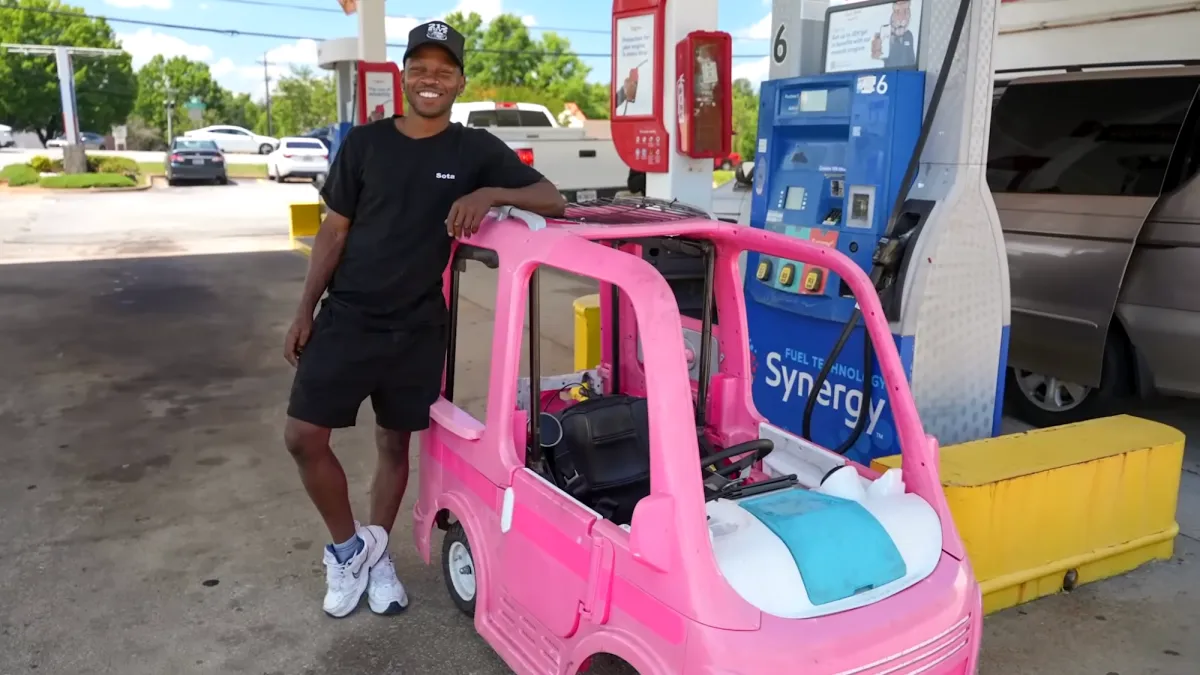
Mali Hightower, a 30-year-old handyman from Georgia, has garnered attention for his unique approach to navigating the challenges posed by elevated gasoline prices. Hightower has retrofitted a discarded, bright pink Power Wheels Barbie Dream Camper, equipping it with a compact, single-piston engine. This unusual vehicle is now being utilized for shorter commuting needs, offering a starkly different experience from conventional automobiles.
The modification involves integrating a power washer engine, which Hightower starts with a simple pull of a rip cord. While the vehicle’s diminutive size, standing less than four feet tall, makes it unsuitable for extended or comfortable adult travel, its primary advantage lies in its significantly reduced operating cost compared to a standard car. Hightower’s willingness to use this repurposed toy for errands, such as grocery runs, underscores the extreme measures some are taking to mitigate the financial impact of high fuel prices, which can currently cost around $90 for a full tank in a conventional vehicle.
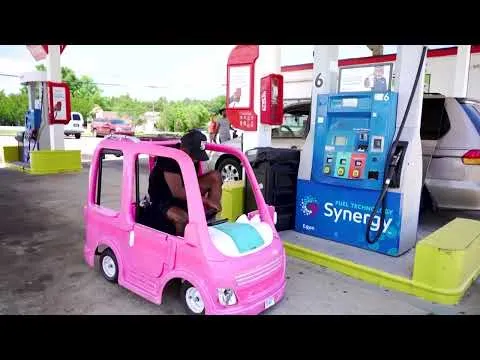
The visual of this custom Barbie camper at a gas station serves as a striking symbol of the current transportation landscape. It prompts a broader conversation about the pressing need for diversification away from fossil fuel dependency. Hightower's DIY project, while singular, points to a potential future where similar, intentionally engineered alternative vehicles could become more prevalent, offering a more accessible and cost-efficient means of personal transportation.
The Broader Context: EVs, Public Transit, and the Need for Alternatives
Hightower's unique solution, while seemingly whimsical, directly addresses a critical intersection of economic strain and the urgent need for sustainable transportation. The high cost of gasoline is not merely an inconvenience but a significant financial pressure point for millions of households. This has amplified calls for a more rapid transition to electric vehicles (EVs) and improved public transportation infrastructure, yet significant barriers remain.
The United States currently faces considerable underfunding in its public transit systems, with limited commuter bus routes and rail networks in many areas. Simultaneously, the upfront cost of EVs, despite decreasing long-term operational expenses, remains prohibitive for a large segment of the population. This affordability gap, combined with infrastructure limitations for both public transit and EV charging, leaves many individuals with few practical alternatives to gasoline-powered vehicles. Hightower's modified Barbie camper, therefore, while a niche solution, represents a spirit of innovation driven by necessity, hinting at a demand for creative and accessible transportation options.
Impact Analysis
The ingenuity displayed by Mali Hightower in repurposing a child's toy into a functional vehicle for commuting amidst record-high gas prices signifies more than just an isolated act of creativity. It reflects a growing segment of the population actively seeking to mitigate the financial strain of traditional car ownership. This trend could accelerate interest in alternative micro-mobility solutions, whether DIY or commercially developed, particularly if the cost of fossil fuels continues to be volatile.
Furthermore, such unconventional adaptations highlight the existing gaps in both the accessibility and affordability of mainstream electric vehicles and public transportation. As the automotive industry and policymakers continue to push for electrification and enhanced public transit, these grassroots innovations serve as a visible indicator of consumer demand for practical, cost-effective, and potentially unconventional transportation alternatives that can bridge the gap until more widespread, affordable solutions become readily available.