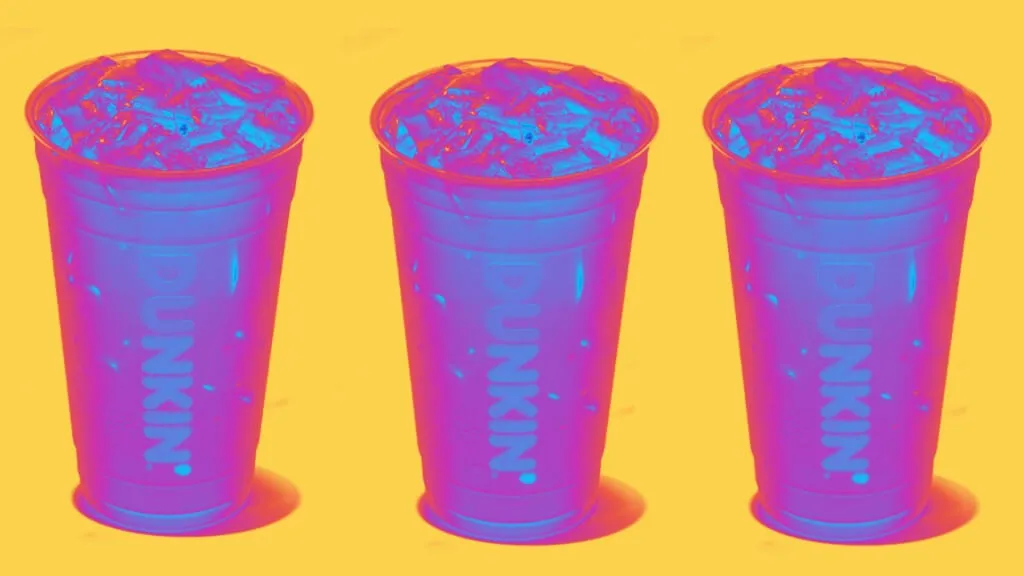
Dunkin' has launched its summer menu, which includes a new beverage sparking significant discussion and concern: the 'Dirty Pepsi'. This drink, a collaboration with Pepsi, combines Dunkin's coffee milk with Pepsi and is topped with Sweet Cold Foam. The concept of a "dirty soda" itself, which typically involves mixing cream or flavored syrups into carbonated beverages, gained significant traction in recent years, particularly originating from a beverage trend popularized by a Utah-based chain known for offering coffee alternatives to its customers. The introduction of this mixed beverage at a major chain like Dunkin' has brought the trend into mainstream conversation, raising questions about its nutritional implications and appeal.
The "Dirty Pepsi" at Dunkin' is described as a fusion of classic soda flavor with a creamy, coffee-forward finish. However, initial consumer reactions and analyses highlight significant nutritional drawbacks. A medium-sized serving reportedly contains a substantial amount of added sugar, far exceeding daily recommendations. For context, the American Heart Association suggests a daily limit of 25 grams of added sugar for most women and 36 grams for most men. The combination of Pepsi's caffeine content and that within the coffee milk base further contributes to the drink's stimulant profile, leading to potential overconsumption of both sugar and caffeine.
Nutritional Profile and Potential Health Impacts of 'Dirty Soda'
The 'Dirty Pepsi' is formulated by blending Dunkin's signature coffee milk with Pepsi, and then topping it with a Sweet Cold Foam. This combination results in a beverage that has garnered attention not only for its unique flavor profile but also for its considerable nutritional load. A medium size of this drink reportedly contains approximately 68 grams of added sugar. This amount significantly surpasses the daily recommended intake, which, according to guidelines from health organizations, hovers around 25 grams for women and 36 grams for men. The high sugar content can contribute to various health issues, including weight gain, increased risk of type 2 diabetes, cardiovascular problems, and dental decay.
Beyond the sugar, the caffeine content is also a notable factor. Pepsi itself contains caffeine, and when combined with the coffee milk base, the total stimulant level can be significant. For individuals sensitive to caffeine, this can lead to adverse effects such as anxiety, insomnia, heart palpitations, and digestive upset. The mixture of dairy and carbonated soda also creates a distinct texture and mouthfeel, which some find unappealing or even unsettling, potentially leading to digestive discomfort for some consumers due to the interaction between dairy proteins and carbonation.
The Rise of Prebiotic and 'Dirty' Sodas
The trend of "dirty sodas" is part of a broader landscape of beverage innovation that attempts to balance indulgence with perceived health benefits, or at least novelty. Alongside "dirty sodas," there has been a surge in popularity for prebiotic sodas, such as those offered by brands like Olipop and Poppi. These beverages are marketed as gut-healthy alternatives, incorporating ingredients like inulin or chicory root to promote a healthy gut microbiome. However, the efficacy and actual prebiotic content of some of these drinks have faced scrutiny, with some brands even facing legal challenges regarding their health claims.
The contrast between "dirty sodas" and prebiotic alternatives highlights a dichotomy in current beverage trends. While one embraces decadent, indulgent flavors with significant sugar and caffeine, the other aims for a healthier profile, often incorporating functional ingredients. The "Dirty Pepsi" at Dunkin' leans heavily into the indulgent category, raising questions about whether such high-sugar, high-caffeine concoctions align with a growing consumer interest in healthier beverage options, or if they cater to a different consumer desire for novel, intensely flavored, and stimulating drinks.
Consumer Reactions and Dietary Recommendations
Consumer response to Dunkin's "Dirty Pepsi" has been varied, with many expressing a mix of curiosity and apprehension. Anecdotal reports often describe the taste as unusual, with the texture of the dairy and cold foam interacting with the carbonated soda being a common point of discussion. Health-conscious consumers have voiced concerns about the drink's high sugar and caffeine content, emphasizing that it is far from a healthy choice and should be consumed in moderation, if at all.
For individuals looking for healthier options at Dunkin', traditional iced coffee, black coffee, or unsweetened tea remain the most recommended choices. While flavored refreshers, like the Cherry Lime Rickey Refresher, might appeal to a younger demographic or those seeking a less intense caffeine option than coffee, the addition of dairy to carbonated beverages like the "Dirty Pepsi" is generally viewed as a less conventional and nutritionally questionable choice by many dietary experts. The focus for many remains on prioritizing beverages that do not contribute excessively to daily sugar and calorie intake without providing significant nutritional value.
Impact Analysis
Dunkin's venture into the "dirty soda" trend with the 'Dirty Pepsi' reflects a broader industry effort to capture consumer interest through innovative and trending beverage concepts. While such products can generate buzz and drive sales, particularly among younger demographics or those actively seeking novelty, they also place the brand at the center of discussions about public health and responsible beverage marketing. The significant sugar and caffeine content positions these drinks as occasional treats rather than daily staples. The challenge for brands like Dunkin' lies in balancing the pursuit of trending flavors with consumer demand for healthier options, potentially through offering more customizable, lower-sugar alternatives or clearly delineating the nutritional profiles of indulgent beverages.