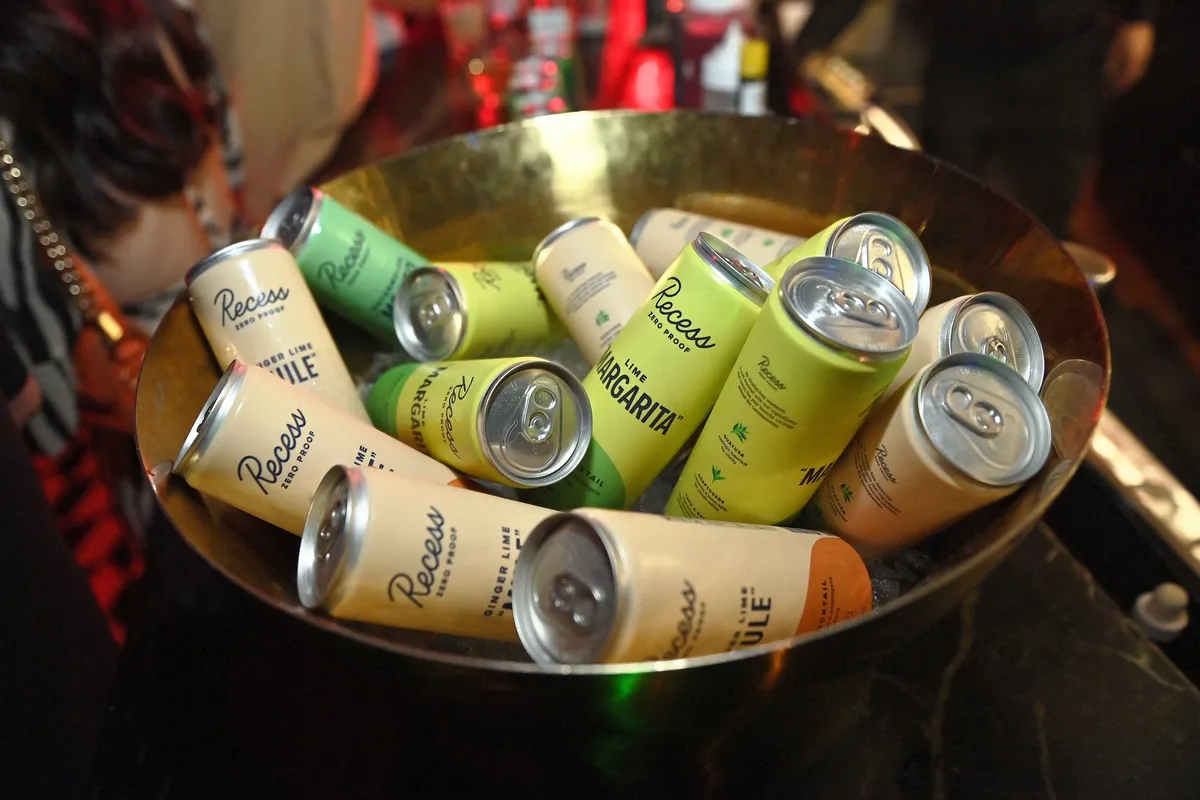
The beverage market is witnessing a significant surge in functional mocktails, with brands like Kin Euphorics, Hiyo, Recess, and Curious Elixirs prominently featuring terms such as adaptogens, nootropics, and botanicals on their labels. These ingredients are not merely for flavor; they are marketed for their purported health and wellness benefits, aiming to offer more than just an alcohol-free alternative. Understanding the precise definitions and functions of these components is crucial for consumers navigating this evolving landscape.
Botanicals represent a broad classification encompassing any plant-derived substance, including roots, mushrooms, and herbs, utilized for their health-promoting properties. Adaptogens and nootropics are more specialized subsets within this category, each with distinct physiological roles. Adaptogens are renowned for their capacity to help the body better manage and respond to stress, thereby enhancing resilience. Nootropics, on the other hand, are designed to support and improve cognitive functions such as focus, memory retention, and overall mental clarity and energy. It is common for a single ingredient to fall into multiple categories, possessing both adaptogenic and nootropic qualities, or for a drink to combine various botanicals that target different bodily systems simultaneously, leading to a multi-faceted effect.
Decoding the Functional Ingredients in Modern Beverages
The proliferation of functional mocktails stems from their promise to deliver tangible benefits beyond simple hydration or social enjoyment. Brands are meticulously crafting formulations that layer adaptogens, nootropics, and other carefully selected botanicals to achieve both complex flavor profiles and what is termed "functional depth." This means beverages are intentionally engineered to serve a specific purpose, whether that involves facilitating relaxation after a demanding day or providing a clear-headed energy boost without relying on traditional stimulants like caffeine.
The scientific underpinnings of these ingredients are established but exhibit considerable variability in terms of research depth and conclusive evidence. While numerous individuals report experiencing positive effects, the actual outcomes can be highly individual, depending significantly on personal biology, lifestyle factors, and the precise quality and dosage of ingredients within a product. Most botanical ingredients are generally regarded as safe for supportive use, but they are not approved as curative agents for specific medical conditions. The regulatory framework, particularly in the United States where they are categorized as dietary supplements by the FDA, implies a lower threshold for proving efficacy compared to pharmaceutical drugs. This distinction is vital, as a "stress-relief tonic" beverage is making a different claim than a prescribed medication. The effects, when experienced, are often subtle and cumulative rather than overtly immediate.
The Role and Types of Adaptogens in Functional Drinks
Adaptogens are a class of botanicals recognized for their ability to help the body build resilience against various forms of stress, including physical, environmental, and psychological pressures. Common adaptogens featured in mocktails include ashwagandha, rhodiola rosea, ginseng, holy basil (tulsi), and reishi mushroom. These natural substances work by assisting the body in achieving a state of equilibrium, or homeostasis, even when faced with challenging circumstances.
The concept of adaptogens was formally introduced in 1947 by Soviet toxicologist Dr. Nikolai Lazarev. He defined adaptogens as agents that confer a state of "non-specific resistance" to the organism. Lazarev's research, particularly his study of Schisandra chinensis, a plant long used in traditional medicine, laid the groundwork for understanding how certain botanicals could enhance the body's capacity to withstand fatigue and environmental stressors without causing overstimulation or disruption.
The primary mechanism through which adaptogens are believed to operate involves the modulation of the hypothalamic-pituitary-adrenal (HPA) axis. This neuroendocrine system plays a central role in the body's stress response. By influencing the HPA axis, adaptogens help to regulate the release of stress hormones, such as cortisol, aiming to promote a more balanced and sustained energy level rather than the erratic peaks and troughs often associated with stimulants. The ultimate goal is to foster a state of steady resilience.
A critical consideration regarding adaptogens is their typical association with long-term, consistent use. The development of measurable stress resilience often requires several weeks or even months of regular intake. This contrasts with the common perception of a beverage as an immediate solution. Consuming a single mocktail containing ashwagandha before a stressful event, for instance, is unlikely to yield the profound effects associated with sustained supplementation. However, the ritual of choosing a functional beverage can itself have a positive impact on mood, and many users report feeling calmer or more centered following consumption, even in the short term.
The efficacy and quality of adaptogen-containing products can vary significantly. As botanicals, the concentration of active compounds in adaptogens is influenced by factors such as cultivation practices, harvesting methods, and processing techniques. A mocktail listing ashwagandha might contain a clinically significant dose or merely a trace amount primarily for marketing purposes, as there is no universally enforced standard for concentration. Consumers seeking genuine benefits should scrutinize ingredient lists for disclosed milligram amounts and opt for brands that provide transparency regarding sourcing and third-party testing results, as these often indicate a commitment to quality and potency.
Understanding the Cognitive Benefits of Nootropics
Nootropics are substances identified for their potential to enhance cognitive functions and support overall brain health. This category includes improvements in memory, learning capacity, focus, mood regulation, and mental energy. In the context of functional mocktails, commonly utilized nootropics include l-theanine, lion's mane mushroom, lemon balm, and ginkgo biloba. These ingredients are chosen for their ability to promote mental acuity and clarity.
The term "nootropic" was coined in 1972 by Dr. Corneliu E. Giurgea, a Romanian psychologist and chemist. His work was inspired by piracetam, a synthetic compound he developed while researching sleeping aids. Instead of a sedative effect, piracetam demonstrated notable improvements in memory and learning, leading Giurgea to establish the category of nootropics, derived from the Greek words "nóos" (mind) and "tropḗ" (a turning or bending).
A key distinction often highlighted between nootropics and adaptogens lies in their typical usage patterns. While adaptogens are generally associated with long-term stress management and resilience building, nootropics are frequently employed for more immediate, short-term cognitive enhancement. They are often sought for benefits before demanding tasks such as examinations, important presentations, or periods requiring intense concentration, aiming to sharpen focus and cognitive performance in the moment.
Another significant difference is the origin of nootropics. They can be either naturally derived from plants or synthesized. Piracetam, the foundational nootropic, is synthetic. L-theanine, an amino acid abundant in green tea, is a naturally occurring compound. Lion's mane mushroom, a popular addition to functional beverages, is a fungus that has been studied for its potential positive effects on nerve growth factor and cognitive function. Lemon balm and ginkgo biloba are herbal nootropics with extensive histories in traditional medicinal practices.
Within mocktails, the practical effects of nootropics are typically subtle. L-theanine, for instance, is often combined with caffeine in other products to mitigate the jittery side effects of caffeine, promoting a state of calm alertness. In a non-alcoholic beverage context, l-theanine alone may contribute to a mild sense of relaxed focus without inducing drowsiness. The effectiveness is contingent upon the dosage, which is not always clearly indicated on product labels. The mere presence of an ingredient like lion's mane does not guarantee a concentration sufficient for the effects observed in clinical studies. As with adaptogens, individual responses can vary, and the product's quality plays a crucial role.
Assessing the Safety and Considerations for Functional Mocktails
For the general adult population, most botanical ingredients found in functional mocktails are considered safe when used as supportive agents. However, they are not validated as treatments for any specific health conditions, and certain demographic groups should exercise heightened caution. Pregnant women, individuals with autoimmune disorders, and those taking medications for blood pressure or thyroid conditions are strongly advised to consult with a healthcare professional before incorporating these ingredients into their diet, even in beverage form.
The primary concern revolves around potential interactions with physiological systems. Ingredients like ashwagandha can impact thyroid hormone levels, while rhodiola and ginseng may affect blood pressure and blood sugar. Holy basil and reishi mushroom have been investigated for their influence on the immune system, making them a point of caution for individuals with autoimmune conditions, where immune system modulation could be undesirable. Even seemingly benign ingredients such as lemon balm or l-theanine can interact with sedatives or thyroid medications. Therefore, careful consideration of existing health conditions and medications is paramount.
For healthy adults without contraindicating conditions or medications, occasional consumption of functional mocktails is generally considered safe. The concentrations of active ingredients are typically modest, and the serving size of a single beverage limits exposure compared to concentrated daily supplement capsules. However, a significant concern pertains to consumer expectations and potential overconsumption.
The packaging and format of functional mocktails can lead consumers to underestimate the presence and impact of active ingredients. Consuming multiple functional beverages within a single day, combining them with other supplements containing similar compounds, or layering them with prescribed medications without professional guidance can inadvertently lead to excessive dosages. This can push the intake beyond the intended use and potentially into a range not evaluated for safety or efficacy. Diligent label reading is therefore essential, particularly for individuals already using supplements like ashwagandha or lion's mane daily.
Quality control remains another critical variable. Given that these ingredients are regulated as dietary supplements, manufacturers are not mandated to prove efficacy prior to market release. Independent analyses in the broader supplement industry have sometimes revealed discrepancies between the labeled ingredient amounts and the actual quantities present. Selecting brands that offer transparency through third-party testing results or detailed sourcing information can provide a degree of assurance regarding product quality and authenticity.
Health experts consistently emphasize the importance of consulting a healthcare provider before introducing new supplements, including those in beverage form, into one's routine. Functional mocktails can offer a pleasant, alcohol-free alternative with potential supportive benefits for well-being. However, they should not be mistaken for medicinal treatments. Approaching these beverages with informed awareness of their contents and potential effects is the most responsible way to enjoy them.