Germany's bid to supply Canada with its next-generation submarines comes with a substantial economic package, potentially creating up to 50,000 jobs over five years and injecting an estimated $86 billion into Canada's Gross Domestic Product (GDP). This proposal, put forth by ThyssenKrupp Marine Systems (TKMS), integrates Arctic defense strategies with NATO interoperability and includes significant investment commitments across various Canadian industries. The details of this economic uplift have emerged as the Canadian government evaluates competing submarine bids, with a decision expected by the end of June.
The competition for Canada's substantial submarine contract has intensified, with both German and South Korean contenders vying to secure the deal. While initial proposals were submitted in March, both TKMS and South Korea's Hanwha Ocean were granted extensions to refine their economic contribution plans. These plans are crucial, as the navy's intended acquisition of 12 submarines is expected to be built overseas, making industrial offsets and direct investment paramount to the bidding process.
Economic Impact and Industrial Investment
The economic benefits outlined by TKMS extend beyond immediate job creation. The company's proposal indicates a potential for over 654,000 job-years of employment throughout the lifetime of the contract. A significant portion of these benefits could materialize within the first two years of a contract award. This includes the establishment of two submarine maintenance facilities, one on each Canadian coast, modelled after existing infrastructure in Norway. Furthermore, TKMS has forged teaming agreements with four Indigenous development organizations, signaling a commitment to Indigenous partnership and economic inclusion.
 The company's economic proposal also encompasses the development of manufacturing capabilities for heavy torpedoes and anti-torpedo systems within Canada. There is also potential for a facility dedicated to the testing and possibly the production of hypersonic missiles. Specific areas of technological transfer include the manufacturing of submarine propulsion systems and batteries to be undertaken in Canada. These industrial capabilities, once established, could offer long-term benefits and technological advancement for Canada's defense sector.
Broader Strategic Investments
Beyond the direct defense industrial benefits, the German government has also proposed significant investments in non-military infrastructure. This includes strategic enhancements to the Port of Churchill in Manitoba, aimed at facilitating the export of critical minerals and liquefied natural gas to global markets. Additionally, there is a proposal for a joint venture with the province of Alberta to establish a carbon capture facility, aligning with Canada's environmental objectives while fostering industrial innovation.
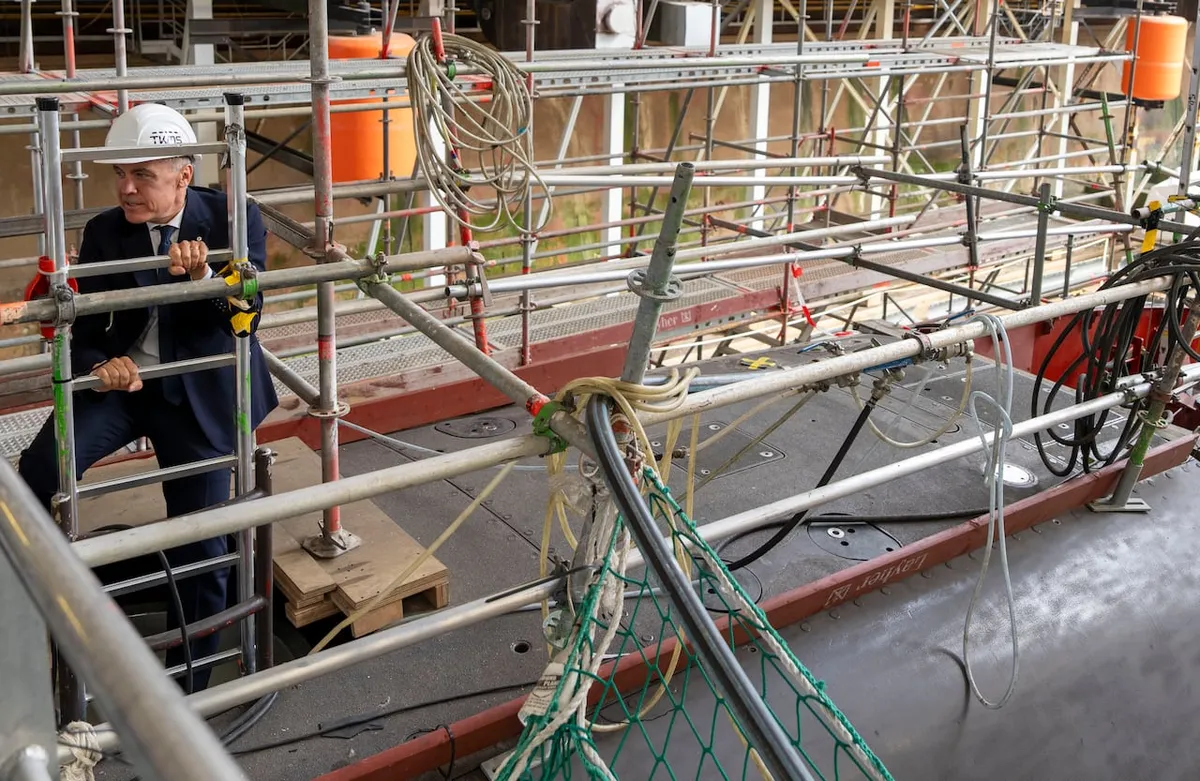 German Defence Minister Boris Pistorius alluded to these economic projections at the CANSEC defence trade show, highlighting the comprehensive nature of TKMS's offer. The dual focus on defense industrial benefits and broader economic infrastructure development positions the German bid as a multifaceted proposal designed to appeal to Canada's economic and strategic interests.
Geopolitical Considerations and Alliance Dynamics
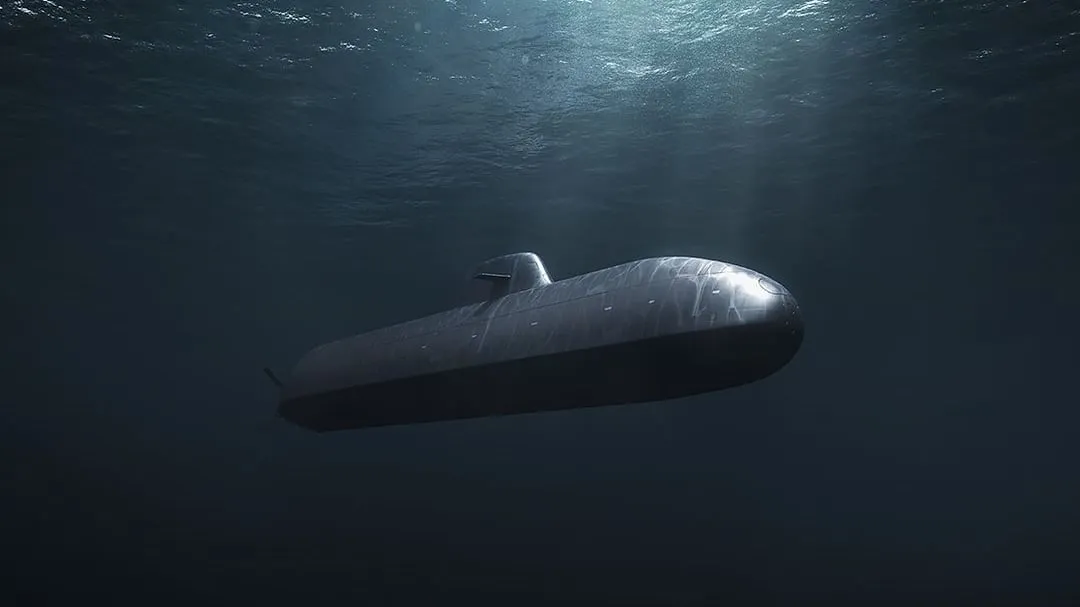
The decision on the new submarine fleet carries significant geopolitical weight. Experts suggest that selecting the German Type 212CD submarine would signal a deepened commitment to the NATO alliance. This could enhance mutual defense capabilities, particularly in the Canadian Arctic, aligning with a broader trend of increased cooperation among European allies like Norway, Sweden, Denmark, Finland, and Germany. Such a choice would reinforce established security partnerships and collective defense postures.
 Conversely, opting for the South Korean bid might indicate a greater strategic focus on the Indo-Pacific region. This would represent a potential pivot towards new alliance structures and security arrangements in a region of growing global importance. The Canadian government is therefore balancing the immediate economic advantages and industrial development opportunities against the long-term geopolitical implications and alliance commitments associated with each bid.
Competitive Landscape
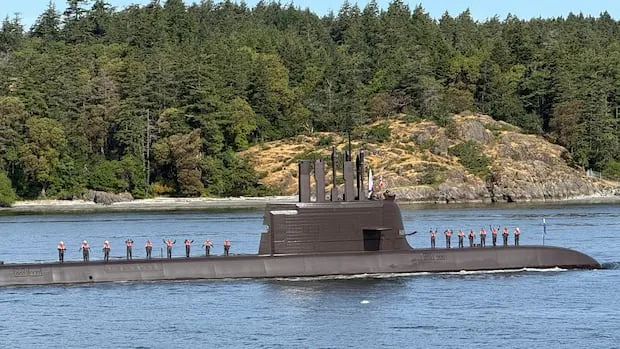
The competition has been marked by visible demonstrations of capability. Recently, the South Korean submarine ROKS Dosan Ahn Chang-ho, a 3,000-ton KSS-III class vessel, conducted exercises off the coast of British Columbia. This deployment served to showcase its long-endurance capabilities and readiness, directly within the context of its bid for the Canadian contract. The presence of the South Korean submarine underscored the high stakes and competitive nature of this multibillion-dollar procurement process.
 The Canadian government has set a deadline of the end of June for its final decision, emphasizing the urgency of finalizing this critical defense procurement. The selection of a submarine platform will have lasting implications for Canada's naval capabilities, its industrial base, and its strategic alliances for decades to come.
Impact Analysis
The implications of Canada's submarine decision extend far beyond naval procurement. The chosen bid will not only shape the future of the Royal Canadian Navy's underwater warfare capabilities but also significantly influence Canada's industrial strategy, technological development, and international partnerships. The substantial economic commitments attached to the German proposal, if selected, could catalyze growth in key sectors such as advanced manufacturing, shipbuilding, and critical minerals, while also potentially enhancing Canada's role within NATO and its strategic posture in the Arctic. Conversely, a South Korean selection might align Canada more closely with Indo-Pacific security architectures. The final decision will therefore be a key indicator of Canada's strategic priorities in an increasingly complex global landscape.