Hungary has emerged as a standout destination in the European tourism landscape, concluding the previous year with an unprecedented 20 million tourist arrivals. This figure represents a significant 12 percent increase in foreign visitors compared to the prior year, signaling a robust and growing interest in the Central-Eastern European nation. With current trends indicating sustained demand, projections for the upcoming year suggest even greater visitor numbers, further solidifying Hungary's position as a burgeoning hub for international travel. This surge in popularity places Hungary in a favorable light, offering a compelling alternative to more saturated and sometimes crime-affected traditional European hotspots.
While the vibrant capital city of Budapest is a globally recognized landmark, often drawing comparisons to iconic European metropolises for its architectural grandeur and cultural significance, the nation's appeal extends far beyond its primary urban center. Hungary boasts a diverse array of attractions, from the serene shores of its summer lakes, dotted with charming resort towns, to the timeless allure of its fairytale castles and remarkably preserved medieval villages that seem untouched by the passage of time. This multifaceted appeal caters to a wide spectrum of travelers, from those seeking urban exploration to those yearning for a deeper connection with history and natural beauty.
Budapest: A European Jewel Redefined
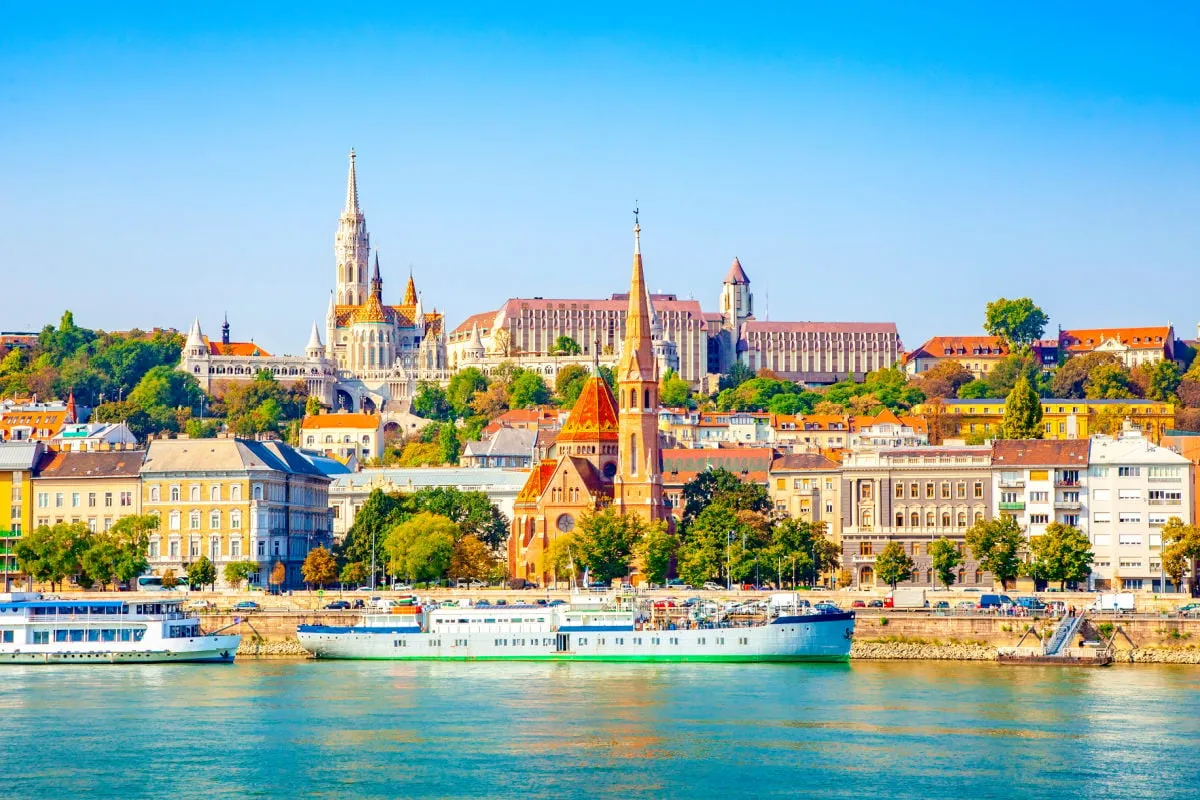
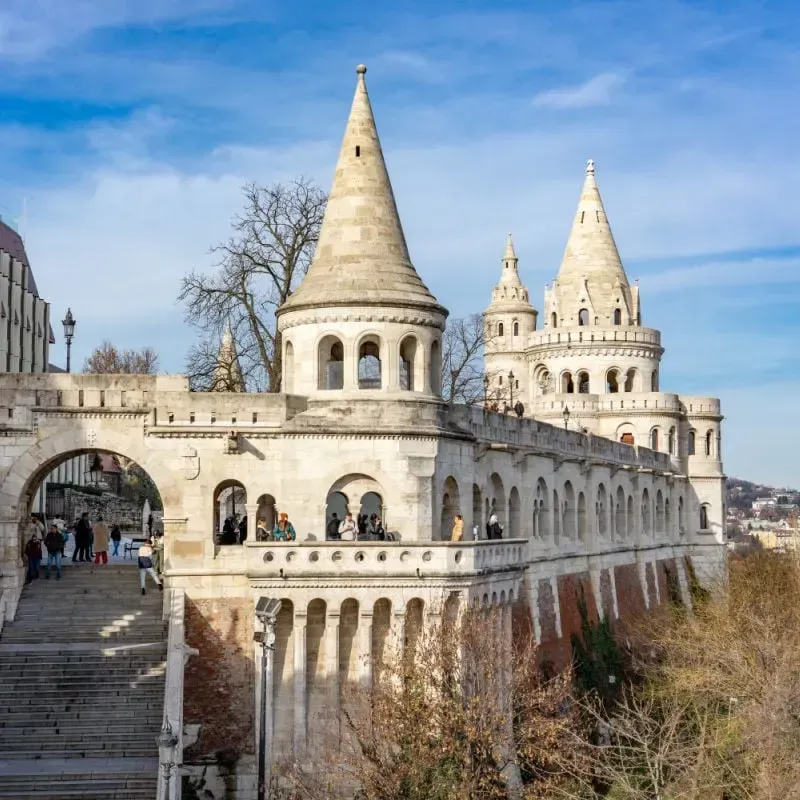
The undisputed heart of Hungary, Budapest, continues to captivate visitors with its unique dual identity, representing the historical confluence of the Buda and Pest sides of the Danube River. Often lauded as one of Europe's most beautiful capitals, its majestic boulevards are lined with palatial buildings that seamlessly blend historical significance with modern residential use, a testament to its Habsburg heritage. The city's picturesque riverside vistas, dominated by soaring domes and spires reflected in the flowing Danube, combined with its renowned thermal spas housed in ornate 19th-century bathhouses, create an atmosphere that is both grand and deeply rejuvenating.
Beyond its aesthetic splendor, Budapest offers a vibrant nightlife, exemplified by the iconic Szimpla Kert, a pioneering 'ruin bar'. This unique establishment, set within a repurposed building, provides an eclectic and immersive experience with its labyrinthine layout, eclectic furnishings, vibrant art installations, and distinctive seating arrangements like bathtubs. This blend of historical architecture, cultural richness, and a lively atmosphere solidifies Budapest's status as a premier European destination.
Assessing Safety in Budapest
Budapest stands out as a remarkably safe destination for travelers, presenting a stark contrast to some European capitals that have experienced recent upticks in crime. The city is characterized by a low incidence of street harassment and petty crime, allowing visitors to explore with a greater sense of security. According to the U.S. State Department, Hungary is classified as a Level 1 destination, the safest possible rating, indicating minimal risks for travelers.
While pickpocketing and more serious criminal activities are not significant concerns, travelers are always advised to remain vigilant, particularly in crowded tourist areas. However, Budapest consistently scores highly in traveler safety indices, often achieving a score of 87 out of 100, underscoring its reputation as one of Europe's safest capitals. This high level of security contributes significantly to its growing appeal among international tourists seeking both cultural enrichment and peace of mind.
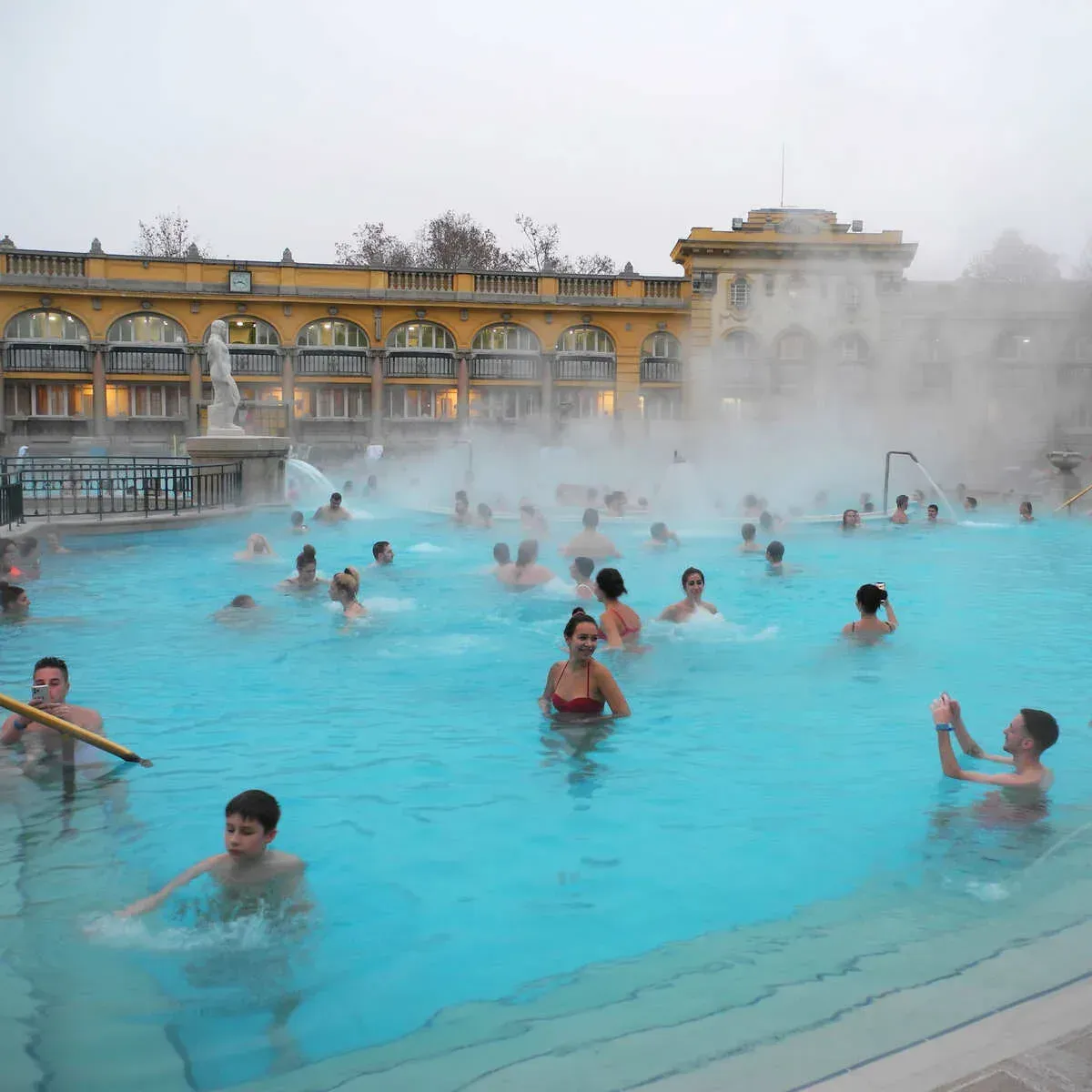
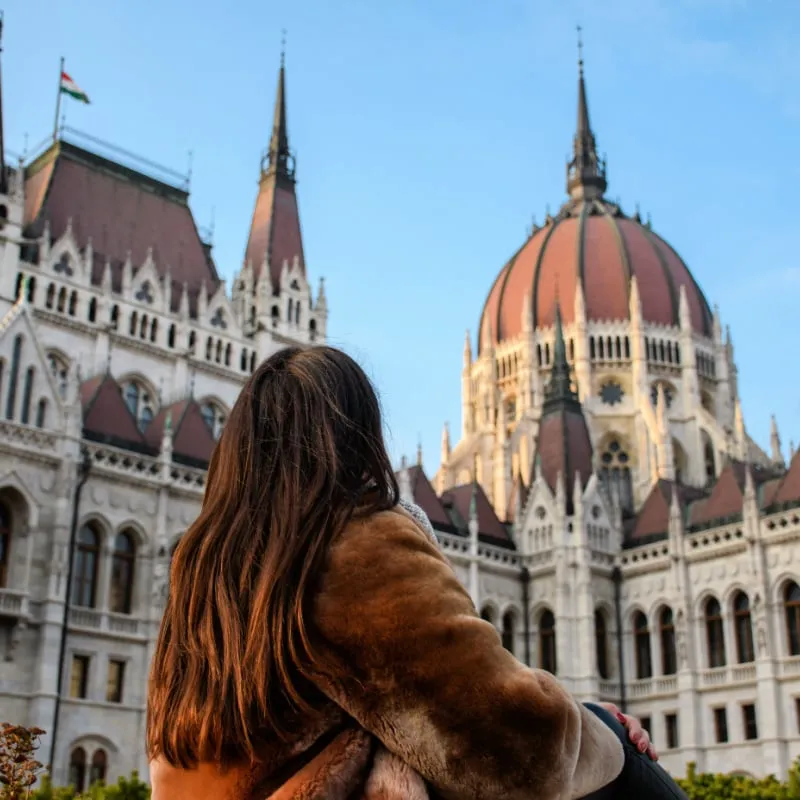
The city's appeal is further enhanced by its rich tapestry of attractions. Visitors can immerse themselves in the therapeutic waters of the Széchenyi Thermal Baths, explore the historic Buda Castle district, or marvel at the Hungarian Parliament Building, an architectural masterpiece on the Danube's banks. The city's public transport system is efficient, making it easy to navigate between these landmarks and discover hidden gems.

Discovering Hungary's Untouched Countryside
While Budapest offers a compelling urban experience, the true enchantment of Hungary often lies within its virtually untouched countryside. Venturing beyond the capital reveals a landscape dotted with picturesque villages, historic towns, and serene natural beauty, offering a more intimate and authentic travel experience. These regions provide a glimpse into traditional Hungarian life, often characterized by preserved folk architecture and a slower pace of life.
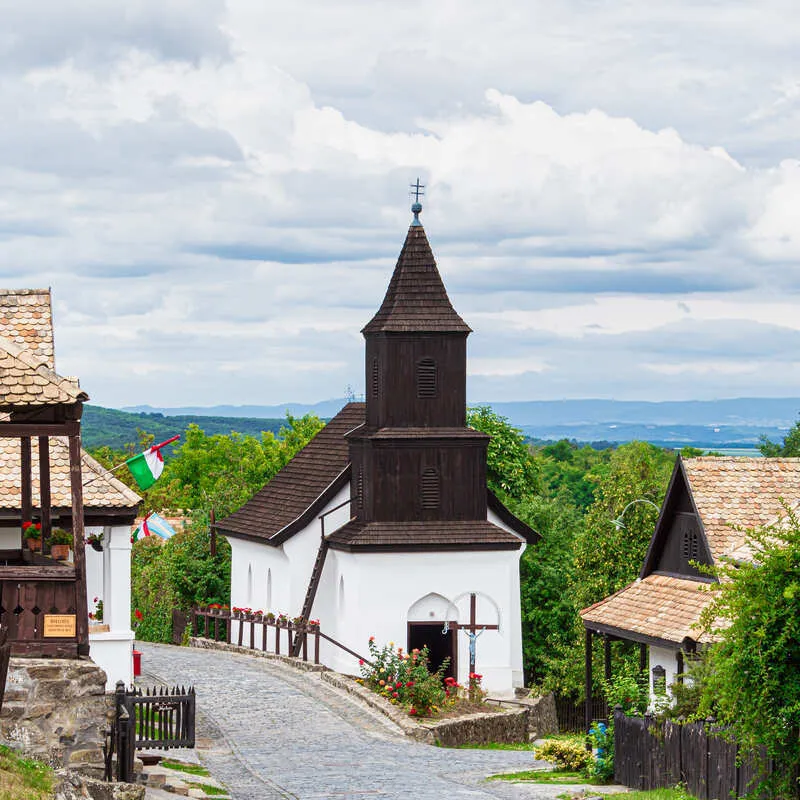
Villages like Szentendre offer a charming escape with their cobblestone streets, colorful Baroque houses, and inviting riverside cafes serving local delicacies. This town, in particular, avoids the large crowds often found in more tourist-centric European locales, maintaining a tranquil ambiance. Further exploration leads to Hollókő, a UNESCO World Heritage site that seems suspended in time. Its exceptionally preserved wooden medieval churches, whitewashed houses, and traditional taverns actively maintain the region's rich folk heritage, providing a vivid cultural immersion.
Wine Regions and Historical Fortresses
Eger, situated in the heart of Hungary's renowned wine country, presents a captivating blend of history and viticulture. This castle town is distinguished by its extensive network of wine cellars, alongside impressive Baroque monuments and relaxing thermal baths, all accessible with fewer crowds than the capital. The historical significance of the region is palpable, with its ancient fortress offering panoramic views and a deep dive into centuries of Hungarian history.
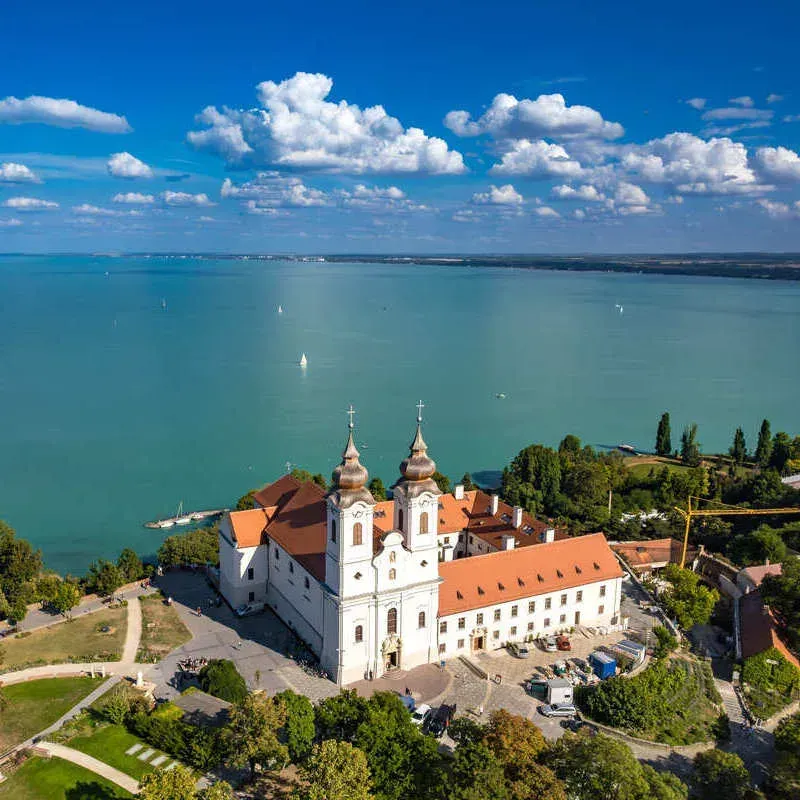
For those drawn to medieval grandeur, Visegrád, though small, is historically significant, featuring the ruins of a royal palace and a commanding hilltop citadel that provides breathtaking vistas of a dramatic bend in the Danube River. It is considered one of the most spectacular viewpoints in the country. Tihany, often cited as Hungary's most beautiful small town, is perched atop a hill overlooking Lake Balaton, famously known as the 'Hungarian Sea.' The town is renowned for its Benedictine Abbey and, during the summer months, its expansive lavender fields, evoking the charm of Provence at a significantly more accessible price point.
The proximity to Lake Balaton, Central Europe's largest freshwater lake, adds another dimension to Hungary's rural allure. The lake region offers numerous recreational opportunities, from swimming and boating in the summer to enjoying scenic lakeside walks and exploring charming villages that ring its shores. These lakeside towns often feature thermal spas and vineyards, creating a diverse appeal for visitors.

Navigating Affordability in Hungary in 2026
While Hungary remains a comparatively affordable European destination, it is crucial to note that its cost of travel, particularly in Budapest, has been steadily increasing, now aligning more closely with Western European capitals. The perception of Hungary as an exceptionally cheap destination may be outdated, as recent years have seen price adjustments across various sectors, including accommodation, dining, and attractions.
For example, entry to the popular Széchenyi Thermal Bath in Budapest has seen a significant price increase, with basic tickets now costing approximately $40, excluding optional extras. Dining and beverage costs in tourist-centric areas of Budapest reflect this trend, with cocktails typically ranging from $6 to $14 and a draft beer around $3 to $5. Accommodation prices in prime locations like Districts V or VII have also risen, with mid-range options averaging $130–$200 per night during peak season, and even budget hostels costing $25–$60 per night.
Despite these adjustments, Hungary still offers considerable value compared to many Western European countries. A simple local meal can cost between $8 and $15, with a full restaurant dinner including drinks averaging $25 to $30 per person. This represents a noticeable difference from more expensive destinations. Outside of Budapest, in smaller towns and rural areas, costs are generally lower, with meals often under $10, local beers and wines priced between $1.50 and $3, and accommodation starting from around $30 per night.

Impact Analysis
Hungary's record-breaking tourism figures underscore a significant shift in European travel patterns, with destinations previously considered secondary now commanding mainstream attention. This sustained influx of visitors to Hungary, particularly to its capital Budapest, highlights a growing traveler appetite for authentic cultural experiences combined with perceived safety and value, even as costs gradually rise. The nation's success serves as a model for other Central and Eastern European countries aiming to leverage their unique heritage and attractions to boost their tourism economies. The increasing visitor numbers also present opportunities for infrastructural development and job creation within the Hungarian hospitality sector, though careful management will be necessary to mitigate potential challenges associated with overtourism in popular areas and to maintain the authenticity that attracts visitors.