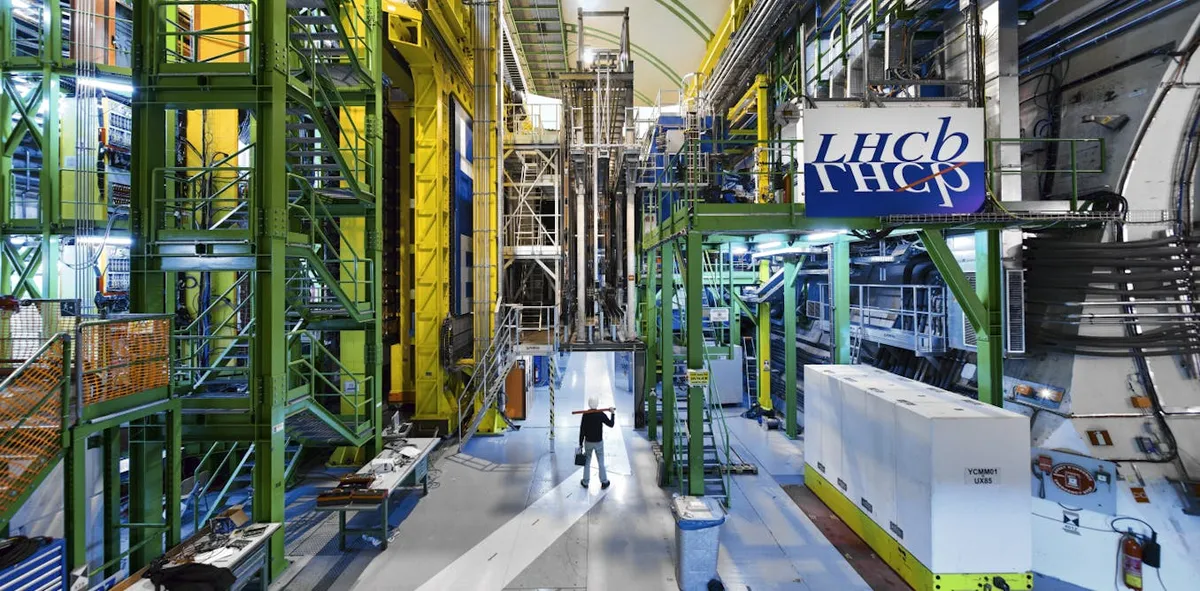
Researchers at the Large Hadron Collider (LHC) at CERN in Geneva have announced intriguing findings that could signal the existence of physics beyond the long-established Standard Model. These preliminary results suggest that the observed behavior of specific sub-atomic particles within the LHC deviates from the predictions of this foundational theory, which has dominated particle physics for half a century. The Standard Model describes the fundamental particles that constitute matter and the forces that govern their interactions, yet it is known to be incomplete, failing to account for gravity or the mysterious dark matter that comprises a significant portion of the universe.
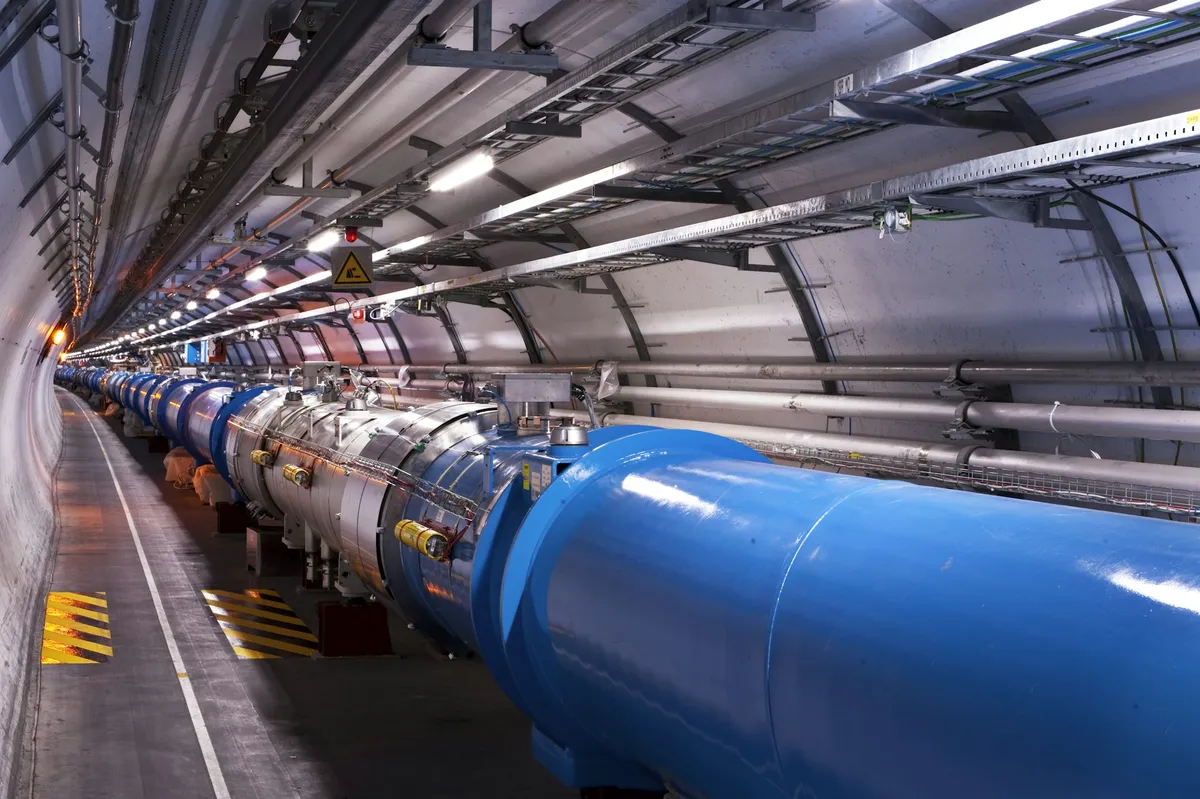
The LHC, a colossal 27-kilometer circular particle accelerator situated beneath the Franco-Swiss border, is designed precisely to probe the limits of the Standard Model and uncover hints of new physics. By colliding beams of protons at extremely high energies, scientists aim to recreate conditions that may reveal phenomena not explained by current theories. The latest observations stem from the LHCb experiment, a specialized detector at the LHC dedicated to analyzing these collisions.
Challenging the Standard Model with B Meson Decays
The focus of the new findings lies in the study of B mesons, particles that undergo a process of transformation known as decay. The LHCb team meticulously investigated how these B mesons decay into other sub-atomic particles, specifically into a kaon, a pion, and two muons. Their analysis revealed that the specific manner in which this decay occurs, particularly the rates and angular distributions of the resulting particles, shows a statistically significant divergence from the Standard Model's predictions. This particular decay pathway is exceptionally rare within the Standard Model, occurring in only about one in a million B meson decays.
The Standard Model, a theoretical framework built upon the principles of quantum mechanics and Einstein's special relativity, has withstood decades of rigorous experimental scrutiny. However, its known limitations, such as its inability to incorporate gravity or explain dark matter, have spurred the search for new physics. The LHC experiments, including LHCb and CMS, are at the forefront of this quest. The LHCb results, accepted for publication in Physical Review Letters, exhibit a tension of four standard deviations from Standard Model expectations. While this statistical significance falls short of the 'gold standard' of five sigma required for a definitive discovery, the accumulating evidence, bolstered by concurring results from the independent CMS experiment, strengthens the case for potential new physics.
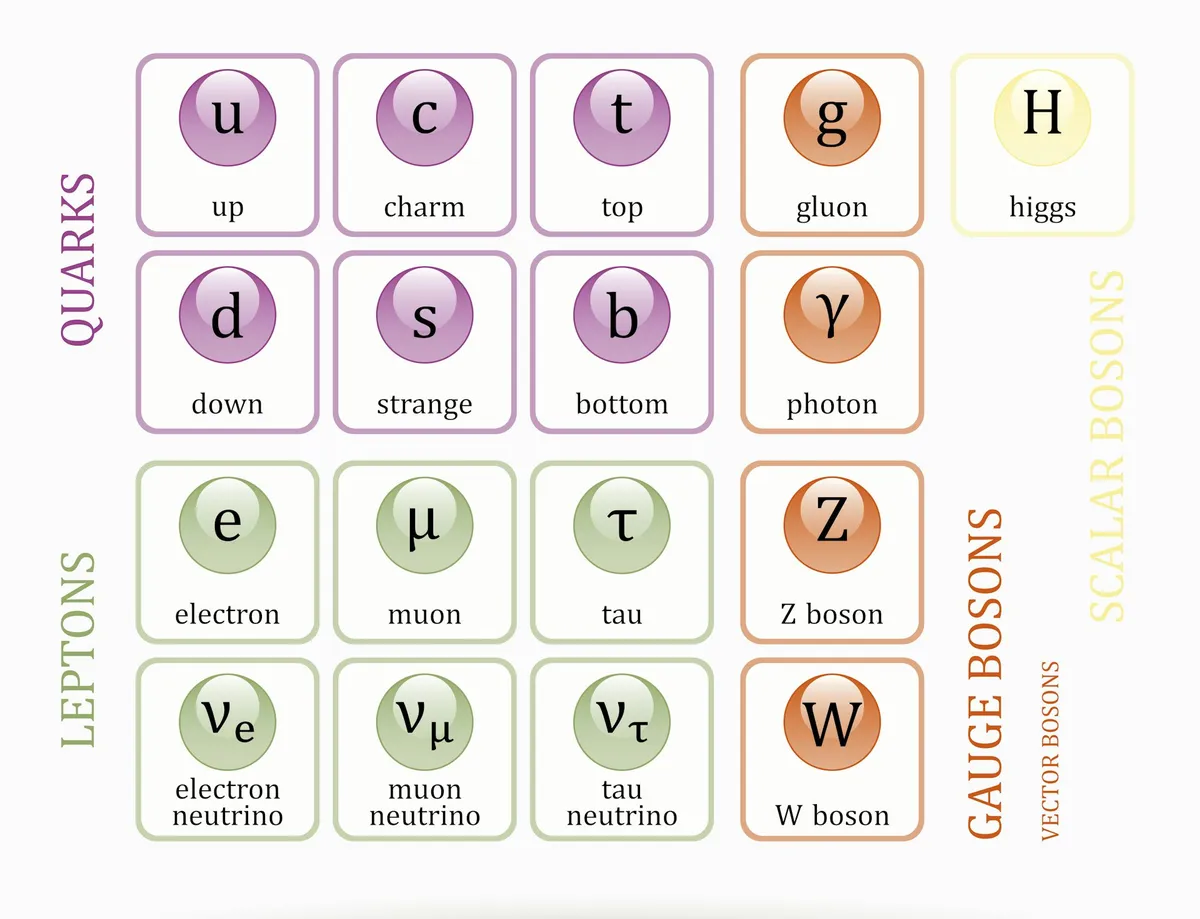
The specific decay process under scrutiny is known as an electroweak penguin decay. The term 'penguin' arises from a visual analogy of the particle interactions involved in the decay, where the arrangement of the particles can resemble a penguin's silhouette. This type of decay is crucial for studying the transformation of one type of fundamental particle, a beauty quark, into another, a strange quark. By precisely measuring the angles and energies of the particles produced during these rare decays, scientists can probe the underlying fundamental interactions. The deviation observed suggests that unknown particles or forces might be influencing this process, effects that cannot be directly produced at the LHC but can manifest indirectly over time.
Probing the Unknown with Rare Processes
The study of such rare decay processes is a cornerstone of the LHCb experiment's mission, established in 1994. These decays serve as sensitive probes into phenomena that might only be accessible through future, more powerful particle colliders planned for decades from now. The observed anomaly opens the door to a range of theoretical models that go beyond the Standard Model. Many of these models propose the existence of new particles, such as 'leptoquarks', which could potentially unify different categories of matter like leptons and quarks. Other theories suggest the presence of heavier versions of known Standard Model particles.
These new experimental constraints help to refine and limit the scope of these proposed theoretical models, guiding future experimental searches. While the results are exciting, physicists are exercising caution due to remaining theoretical uncertainties. A primary concern involves 'charming penguins,' a set of Standard Model processes whose precise prediction is complex. Recent theoretical estimates suggest that the contributions from these charming penguins might not be large enough to account for the observed discrepancy, further supporting the possibility of new physics. The LHCb experiment has already collected significantly more data since the period analyzed (2011-2018), and future upgrades to the LHC scheduled for the 2030s promise an even larger dataset, which will be pivotal in confirming these findings and potentially ushering in a new era of fundamental physics.
Impact Analysis
The potential discovery of physics beyond the Standard Model, as suggested by the LHCb and CMS results, would represent a monumental shift in our understanding of the universe. It would necessitate a revision of the Standard Model, potentially leading to new theories that can unify fundamental forces, explain the existence of dark matter and dark energy, and shed light on the asymmetry between matter and antimatter. Such a breakthrough could have profound implications for cosmology, astrophysics, and our fundamental conception of reality, opening up entirely new avenues for scientific inquiry and technological development.