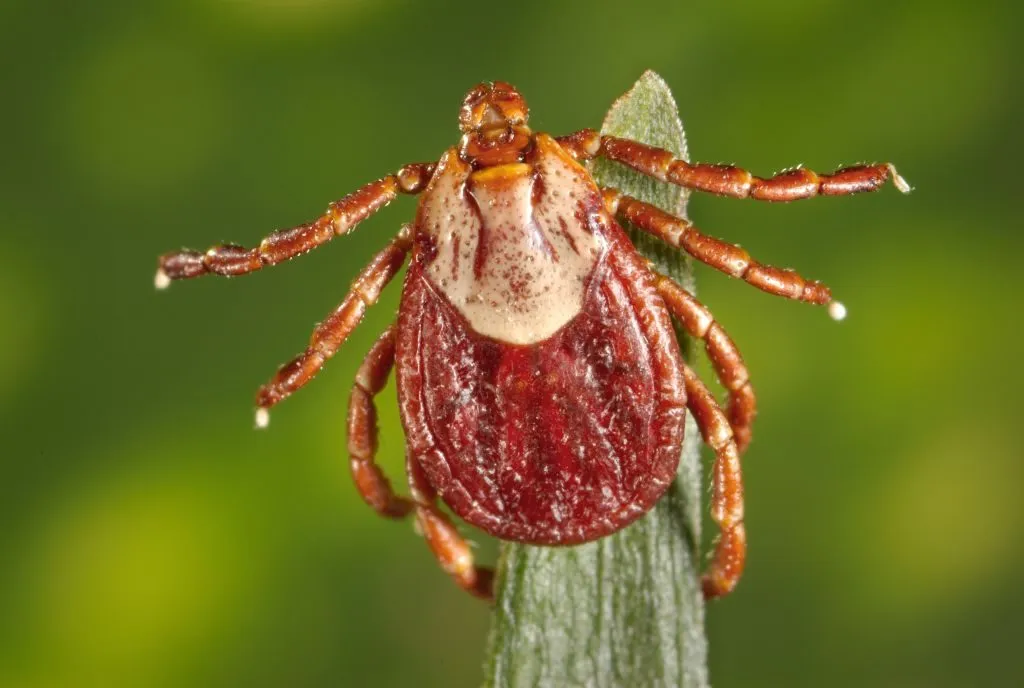
Spring and early summer present a beautiful time for outdoor exploration across grasslands in regions like Australia, the US Rocky Mountains, and South Africa. However, this season also brings the potential for encountering a dangerous, yet often unseen, adversary: the paralysis tick. These arachnids are more than just a nuisance; they pose a significant threat to a wide range of animals, including domestic pets and livestock, and can even affect humans. The adult female paralysis tick is particularly concerning due to the potent neurotoxin present in its saliva. This toxin is not a mere irritant; it is a sophisticated biological weapon designed to incapacitate the host, preventing detection and removal while the tick feeds.
The feeding mechanism of the paralysis tick involves cutting the host's skin and inserting a barbed proboscis, or drinking tube, into the underlying tissues. The neurotoxin injected during this process targets the host's nervous system, effectively numbing the area and preventing the host from sensing the parasite's presence. This allows the tick to remain attached for several days, a period during which it consumes a substantial amount of blood. As the infestation progresses and the tick continues to pump toxin into its host, the effects become increasingly severe, manifesting as hind limb weakness, paralysis, and respiratory distress. Male ticks, while also present, are less of a threat as their feeding habits are minimal and their primary focus is reproduction rather than blood consumption.
The Perilous Nature of Paralysis Ticks
Distinguishing a paralysis tick infestation can be challenging, as these small creatures often go unnoticed until symptoms become apparent. They typically latch onto hosts, such as humans or animals, as they brush against vegetation. Once attached, the tick seeks out warm, dark, and moist areas of the body to burrow and feed. In humans, common locations include the scalp, armpits, groin area, and behind the knees. For pets, especially dogs, ticks often hide in dense fur, making them difficult to spot until they begin to swell with blood and have already released a significant dose of toxin.
The symptoms induced by paralysis ticks vary depending on the specific species and the amount of toxin injected, but a general pattern emerges. In canines, early signs often include hind leg weakness, a change in vocalization to a husky bark, and drooling. For humans, initial symptoms may involve tingling and numbness in the extremities, fatigue, and irritability. As the paralysis progresses, it typically moves upwards from the legs, affecting the torso and eventually the respiratory muscles. In severe cases, this can lead to breathlessness, respiratory failure, and potentially death if left untreated.
Identifying and Locating Ticks
The visual identification of a paralysis tick can be deceptive. Their small size and tendency to burrow into the skin make them difficult to spot, especially in their early stages. They are commonly acquired by brushing against grass blades where the ticks are waiting. Once on the host, they migrate to areas offering warmth and moisture, often concealed by hair or clothing. This makes thorough post-exposure checks crucial.
For humans, a meticulous examination of the entire body is recommended after spending time in tick-prone environments. Key areas to inspect include the scalp, particularly around the hairline and ears; the armpits and chest hair; the groin and genital areas; between the fingers and toes; the belly button; and behind the knees. For pet owners, a systematic inspection of their animal's coat, paying close attention to areas around the ears, neck, and tail, is vital. Early detection significantly increases the chances of a successful outcome.
The Toxin and Its Effects
The paralysis tick's saliva contains a potent neurotoxin that disrupts the host's nervous system. This toxin is believed to work by blocking nerve signals, leading to muscle weakness and paralysis. The primary purpose of this neurotoxin is to immobilize the host, preventing it from dislodging the tick during its feeding period. The longer the tick remains attached, the more toxin is released, exacerbating the symptoms.
The progression of paralysis can be rapid or gradual, depending on the individual host's susceptibility and the amount of toxin introduced. While animals like dogs often exhibit hind limb weakness as a primary symptom, humans may experience a more generalized numbness, tingling, and progressive paralysis that ascends the body. The ultimate danger lies in the toxin's effect on the muscles controlling breathing, which can lead to respiratory failure.
Effective Removal and Recovery
Fortunately, the detrimental effects of paralysis ticks can be effectively reversed through prompt and complete removal of the tick. The critical step is to remove the entire tick, including its embedded mouthparts, which can be challenging due to the barbs on its feeding tube. Specialized tick removal tools can assist in this process, minimizing the risk of leaving parts of the tick behind.
Once the tick is successfully removed, the host's body typically begins to recover within a few days. The symptoms of paralysis start to subside, and normal function is usually restored. This underscores the importance of immediate action upon discovery of a tick or the onset of symptoms, as timely intervention is key to preventing severe complications and ensuring a full recovery.
Impact Analysis
The presence of paralysis ticks represents a significant public health and veterinary concern in endemic regions. The potential for severe illness and fatality in both animals and humans necessitates heightened awareness and proactive measures. From a veterinary perspective, paralysis ticks pose an ongoing threat to companion animals and livestock, leading to substantial costs in treatment and preventative care. For human health, the risk, though perhaps less frequent than in animals, can result in serious medical emergencies requiring intensive care. Public education campaigns focusing on tick identification, safe removal techniques, and preventative strategies are crucial in mitigating the impact of these dangerous parasites.