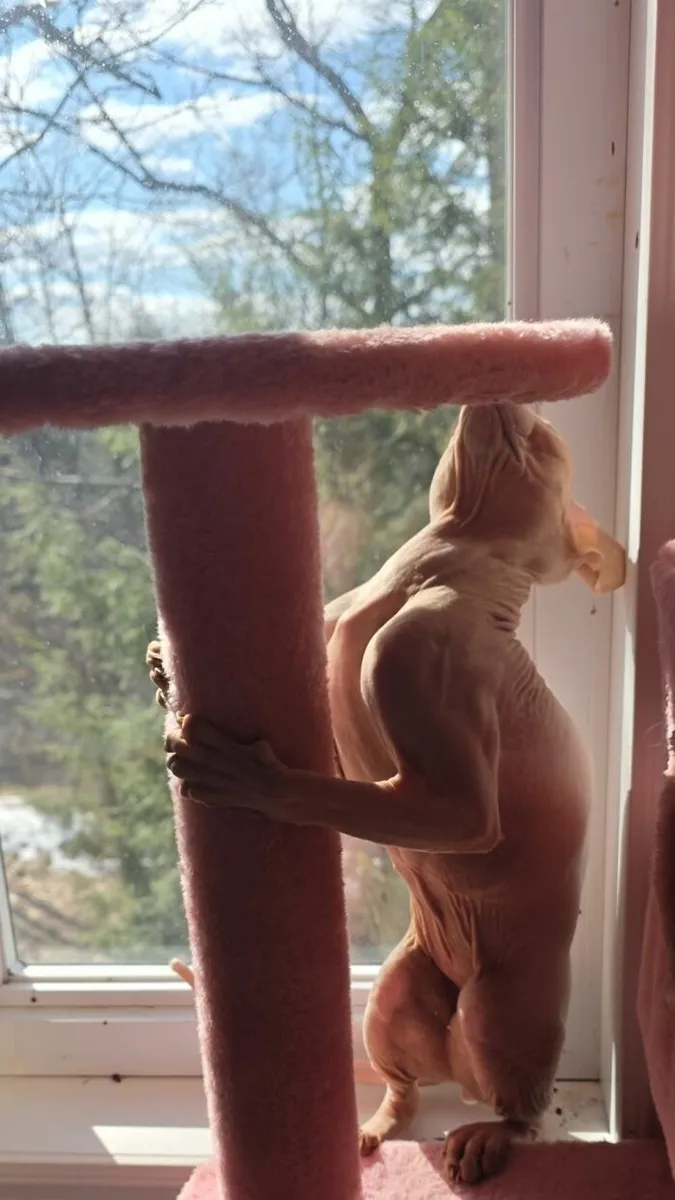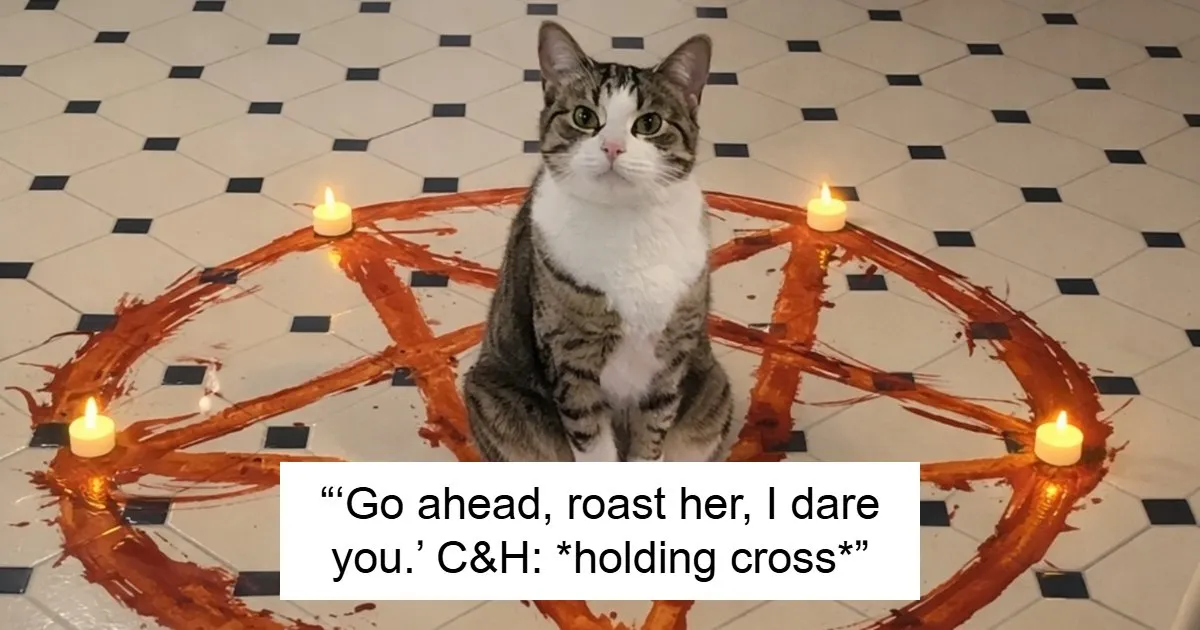
The internet has become a vital hub for global connection, information dissemination, and cultural exchange. However, it also serves as a unique platform for expressing affection through humor, often in unconventional ways. A prime example of this is the recent trend initiated by the creators of the popular webcomic 'Cyanide & Happiness.' They have launched a novel pet-roasting service, inviting pet owners to submit photos of their beloved companions for a personalized, humorously critical assessment.
This service, far from being malicious, taps into a deeply ingrained human tendency to find humor in the everyday, even in the perceived flaws of those we love. The "roasts" are crafted with a blend of wit and affection, turning potentially critical observations into endearments. It’s a testament to how online communities can find creative ways to bond and share joy, using humor as a universal language to celebrate the quirky nature of our pets and the humans who cherish them.
The Rise of Pet Roasting as a Form of Affection
The phenomenon of "pet roasting" has gained significant traction, with "Cyanide & Happiness" at the forefront. The premise is simple yet effective: users submit photos of their pets, and in return, receive a custom-written "roast" that highlights the animal's unique characteristics, often exaggerating them for comedic effect. This approach mirrors the long-standing tradition of celebrity roasts, where affectionate criticism is a sign of endearment and camaraderie.
The success of this trend highlights a shift in how people express their love for their pets online. Instead of solely showcasing pristine, perfect images, owners are embracing a more authentic and humorous portrayal of their pets' personalities. This willingness to share their pets' quirks, even in a "roasted" format, speaks to a deeper level of connection and a shared understanding within online communities that humor and lighthearted teasing are forms of deep affection. 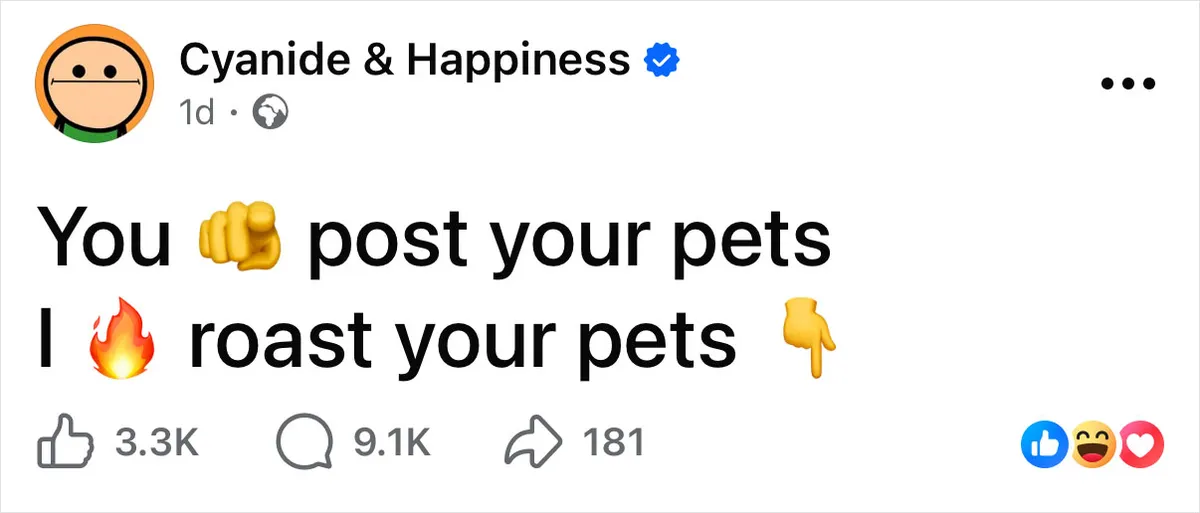
The Internet's Love Affair with Animals
The internet's capacity to connect people globally has amplified our shared appreciation for animals. Platforms like social media and image-sharing sites are flooded with pet content, ranging from adorable snapshots to humorous memes. The "Cyanide & Happiness" pet roasting initiative fits perfectly into this digital ecosystem, offering a fresh and engaging way for people to interact with pet-related content.
The creative process behind these roasts often involves observing specific physical traits or behaviors that owners find endearing, then amplifying them into witty commentary. For instance, a pet with an unusual eye-condition might be playfully dubbed "Oron" after losing its 'i,' a clever pun that transforms a veterinary outcome into a source of humor. Similarly, a pet's slightly "asymmetrical" appearance might be framed as a unique characteristic rather than a flaw, showcasing how humor can be used to celebrate individuality, even in animals. 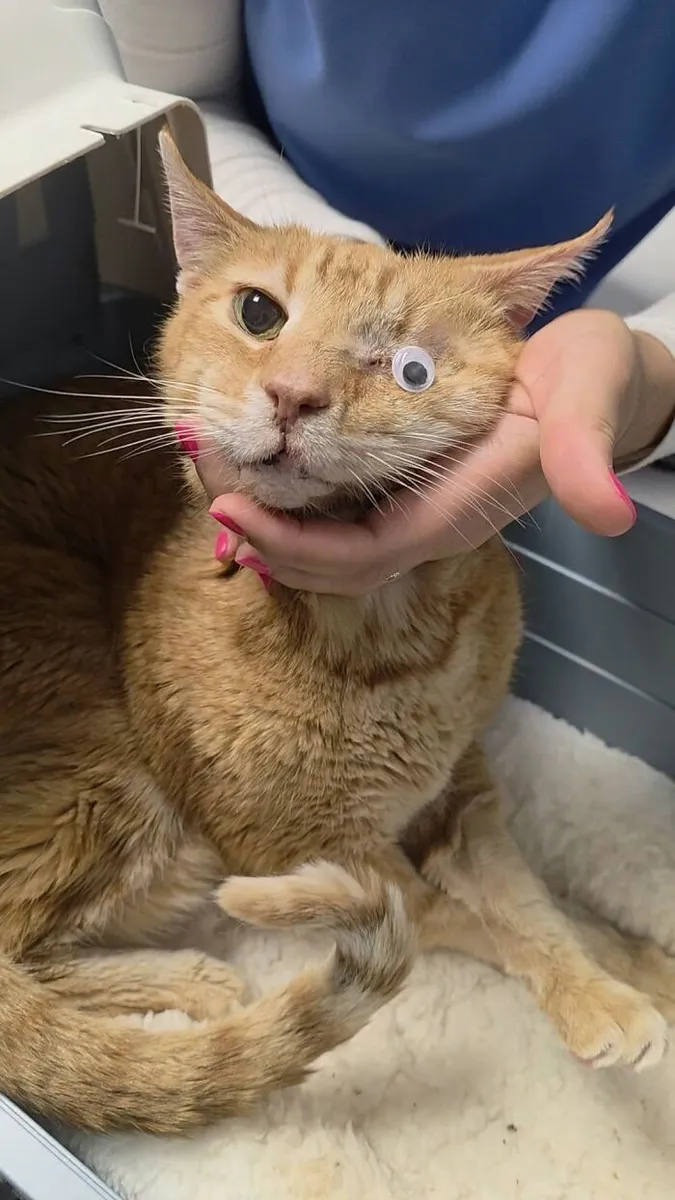
From Comedy Clubs to Digital Roasts
The concept of roasting as a form of comedic expression has deep roots, extending back to the mid-20th century with institutions like the Friar's Club. These events, known for their sharp-witted and often biting humor directed at celebrities, laid the groundwork for modern roast culture. The format evolved over decades, finding a prominent place in popular culture through television specials like Comedy Central's "Roast" series.
This tradition has now found a new, digital home on platforms where creative content thrives. The "Cyanide & Happiness" approach to pet roasting adapts this familiar comedic structure to a niche but highly engaging audience. By applying the roast format to pet photos, they tap into a vein of humor that is both accessible and deeply relatable to pet owners worldwide, demonstrating the enduring appeal of playful, albeit sharp, commentary. 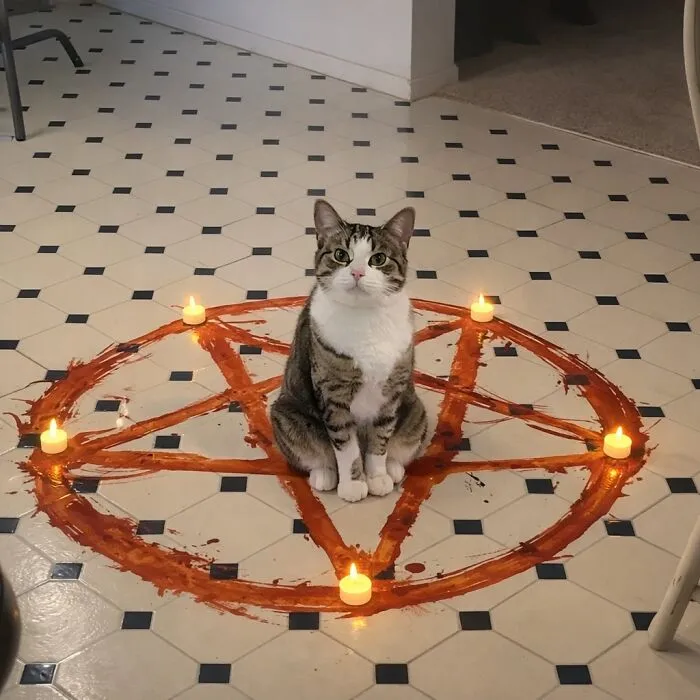
The Unbothered Pet: A Symbol of Pure Joy
One of the most compelling aspects of this trend is the pets' complete unawareness of their online fame or the witty commentary they inspire. Unlike humans, animals remain blissfully ignorant of the internet's judgment, continuing their lives unperturbed. This detachment is, in itself, a source of amusement and a reminder of the simple, unadulterated joy that pets bring into our lives.
The humor derived from these pet roasts is a form of collective appreciation, a way for owners and the internet community to bond over shared experiences and a love for their animal companions. The roasts, while sharp, are underscored by a profound affection, as evidenced by the very act of sharing a pet's image for such a purpose. It’s a celebration of personality, a testament to the fact that even the most peculiar traits can be sources of great love and laughter. 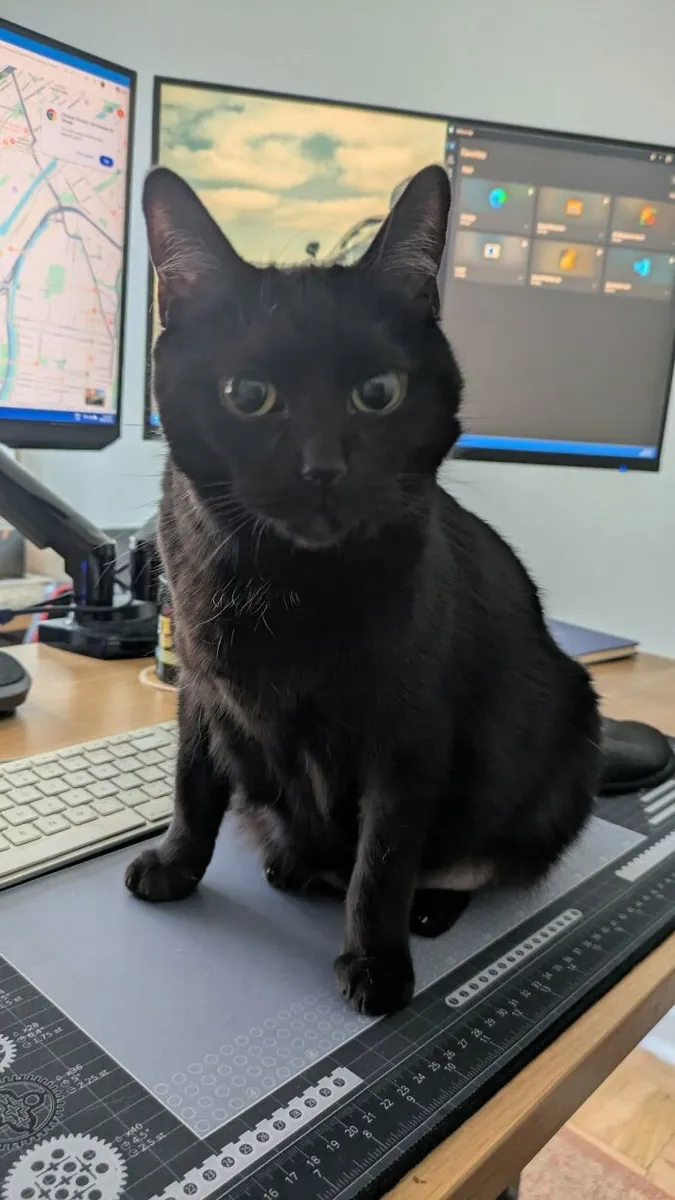
The Cultural Significance of Humorous Pet Depictions
The "Cyanide & Happiness" pet roasting initiative, while seemingly lighthearted, touches upon broader cultural trends related to pet ownership and online communication. The rise of platforms like TikTok has further democratized the sharing of pet content, with trends like "pet infestations" and "dental inspections" becoming viral phenomena. These trends, often accompanied by humorous commentary, reflect a society that increasingly views pets as integral members of the family.
The creative captions, such as calling a pet "the Steve Buscemi of goats" or describing its appearance as "digital harassment," demonstrate the inventive and often surreal nature of internet humor. This playful commentary not only entertains but also fosters a sense of community among pet lovers who can relate to the unique personalities and endearing quirks of their own animals.