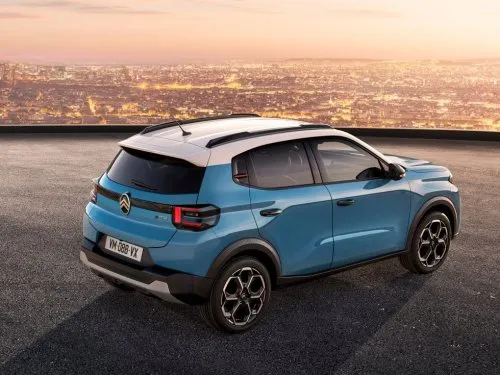
Stellantis, the automotive giant formed from the merger of Fiat Chrysler Automobiles and PSA Group, is strategically planning to introduce a new, cost-effective electric vehicle (EV) platform specifically for the European market. This initiative aims to address a significant decline in the entry-level car segment and simultaneously leverage underutilized manufacturing capacity within its European facilities. The company's foresight suggests a two-pronged approach: revitalizing a shrinking market niche with modern, accessible electric technology and optimizing operational efficiency.
The move is particularly significant given the current landscape of the automotive industry, where the transition to electric mobility is accelerating. However, the high cost of many current EVs presents a barrier for a substantial portion of consumers, especially in markets with historically strong demand for affordable compact cars. By focusing on an accessible price point, Stellantis aims to capture a new wave of buyers and ensure its relevance in the evolving automotive ecosystem.
Stellantis's New EV Platform Strategy
The core of Stellantis's plan revolves around a dedicated, affordable EV platform. Details remain somewhat scarce, but the overarching goal is clear: to produce electric vehicles that are competitive not only in terms of technology and performance but crucially, in price. This suggests a deliberate engineering approach focused on simplifying components, optimizing battery integration, and potentially utilizing economies of scale across multiple brands within the Stellantis portfolio, such as Peugeot, Citroën, Fiat, and Opel.
By developing a scalable and adaptable platform, Stellantis can potentially roll out several models tailored to different market needs while maintaining cost efficiencies. This strategy is vital for competing effectively in the highly competitive European automotive market, where consumers are increasingly open to electric alternatives but remain price-sensitive. The success of this venture could set a precedent for other manufacturers looking to tap into the growing demand for budget-friendly electric transportation.
Addressing the Entry-Level Car Segment Decline
The entry-level car segment, historically a robust sector driven by demand for practical and economical vehicles, has faced significant challenges. Rising production costs, stricter emissions regulations, and the shift towards larger, more premium vehicles have squeezed the availability and affordability of smaller cars. Stellantis's focus on this segment with an EV platform signals a belief that there is still substantial latent demand for affordable, compact personal transportation.
This strategy could also be a response to regulatory pressures and consumer trends pushing towards electrification. By making EVs more accessible, Stellantis can help drive mass adoption and meet fleet-wide emission targets more effectively. The company's commitment to this segment indicates a long-term vision for sustainable mobility that doesn't exclude budget-conscious consumers.
Utilizing Factory Capacity
Beyond market strategy, the introduction of a new EV platform will play a crucial role in optimizing Stellantis's manufacturing footprint in Europe. Several of the company's factories currently operate below full capacity. By retooling and repurposing these facilities for the production of affordable EVs, Stellantis can improve overall operational efficiency, reduce overhead costs, and enhance profitability.
This proactive approach to factory utilization not only strengthens the company's financial health but also supports employment and regional economies. It demonstrates a commitment to its European manufacturing base while adapting to the global shift in automotive technology. The synergy between developing a new market segment and optimizing production capacity is a hallmark of strategic industrial planning.
Market Implications and Future Outlook
The launch of Stellantis's affordable EV platform could have significant implications for the European automotive market. It has the potential to democratize electric vehicle ownership, making it attainable for a broader demographic. This could accelerate the overall EV transition and put pressure on competitors to follow suit with similar cost-effective offerings. 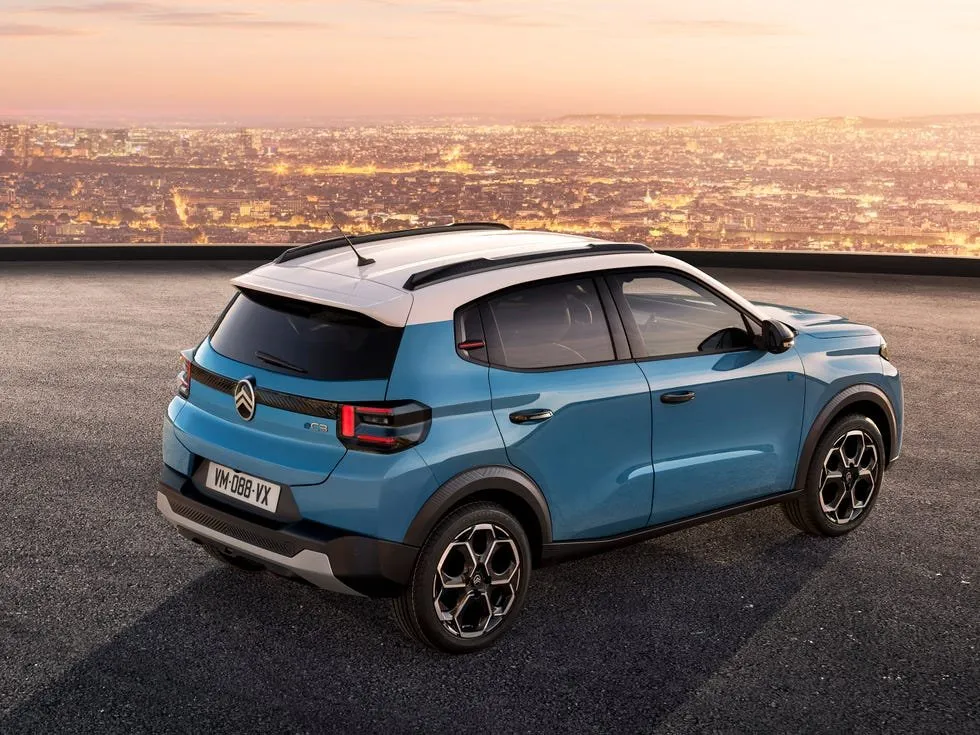
As the automotive industry continues its rapid evolution, Stellantis's gamble on affordability and accessibility in the EV space positions it as a key player to watch. The success of this platform will likely be a major factor in the company's growth and influence in the coming years, potentially reshaping the competitive landscape of electric mobility in Europe and beyond.