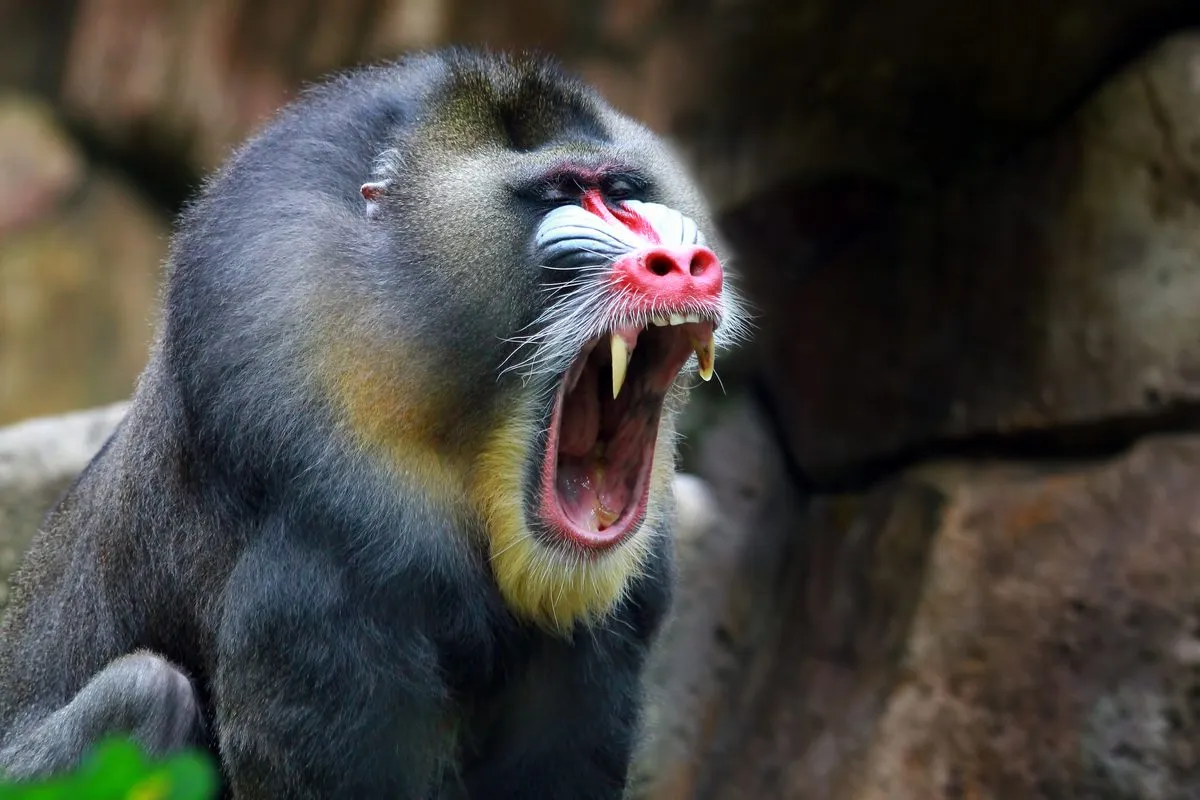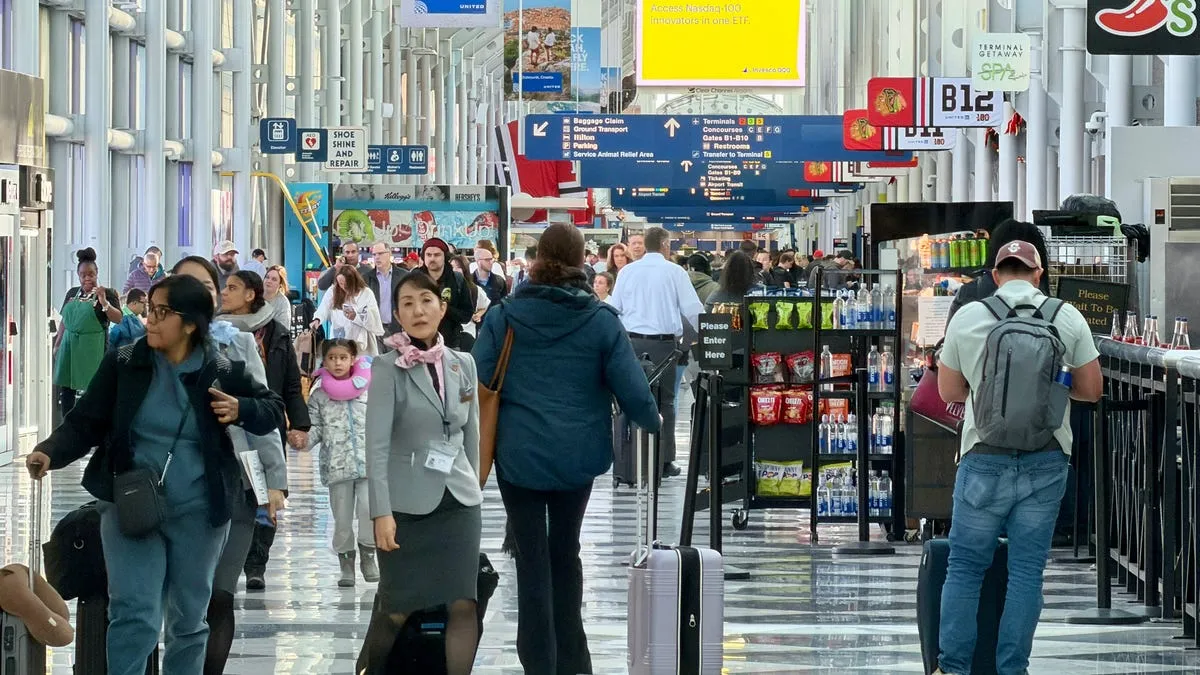
In a notable operation at Chicago O'Hare International Airport on April 11, U.S. Customs and Border Protection (CBP) agriculture specialists intercepted a deceased monkey originating from Cameroon and a substantial quantity of beef, weighing approximately 125 pounds, from Liberia. These seizures, detailed in a CBP news release, highlight the ongoing efforts to safeguard U.S. agricultural and public health by preventing the introduction of potentially harmful biological materials and diseases through international travel.
The agency emphasized the critical role of its agriculture specialists in identifying and intercepting prohibited items that could harbor zoonotic diseases or invasive pests. Michael Pfeiffer, acting director of the Chicago Field Office, stated that the sheer volume of prohibited items seized daily underscores the importance of these roles in maintaining biosecurity. The monkey carcass presented significant human health concerns, leading to its immediate detention and destruction, while the beef, along with other undeclared agricultural products, was also confiscated.
Biosecurity Interventions at O'Hare International Airport
Discovery of Prohibited Items
The interception of the monkey carcass occurred after an X-ray examination of a traveler's luggage revealed suspicious contents. Following the scan, a thorough inspection led to the discovery and subsequent detention of the primate remains. The CBP has not released specific details regarding the exact species of the monkey or the precise cause of its demise, but the significant public health implications prompted swift action. 
Separately, in another passenger's luggage, CBP agriculture specialists uncovered 125 pounds of prohibited beef. The shipment was also accompanied by one pound of prohibited fresh leaves and four distinct types of prohibited seeds. The undeclared meat was contained within eight boxes, and the passenger confirmed the contents to be beef. The discovery of these items in addition to the monkey carcass underscores the diverse range of biological materials travelers attempt to import without proper declaration or adherence to regulations.
Regulatory Framework for Agricultural Imports
Travelers entering the United States are mandated by federal regulations to declare all meat products, fruits, vegetables, plants, seeds, soil, animals, and any animal or plant-derived products. CBP agriculture specialists are tasked with examining these declared items to determine their compliance with U.S. entry requirements. This process is crucial for preventing the introduction of plant and animal diseases, such as foot-and-mouth disease and bovine spongiform encephalopathy (mad cow disease), which can have devastating economic and ecological impacts.
General guidelines permit the import of certain fruits, vegetables, and plants, contingent upon their country of origin and adherence to phytosanitary requirements. However, many fresh, fried, and some canned meats are strictly prohibited due to disease risks. Similarly, animal hunting trophies, game animal carcasses, and hides are generally not allowed entry. While live animals may be permitted, they are subject to stringent certification, permitting, inspection, and quarantine protocols that vary significantly based on the animal species and its origin. Importation of soil or earth is also prohibited without an advance permit from the USDA Plant Protection and Quarantine Permit Unit. 
Consequences and Traveler Responsibilities
Failure to declare prohibited agricultural items can result in penalties, including fines and confiscation of goods. The CBP actively educates travelers about these regulations through various channels, including its official website and informational materials at ports of entry. Travelers are encouraged to consult the CBP website for detailed information on import requirements or to contact CBP directly with specific questions prior to their travel.
The agency utilizes advanced screening technologies and thorough inspection protocols to detect undeclared and prohibited agricultural products. These measures are integral to protecting American agriculture, natural resources, and public health from the potential introduction of foreign pests and diseases. The successful interdiction of items like the monkey carcass and large quantities of prohibited meat demonstrates the effectiveness of these ongoing biosecurity measures.
Impact Analysis
The repeated seizures of prohibited agricultural products at major international airports like O'Hare underscore a persistent challenge in global biosecurity. These incidents highlight the critical need for continuous public education and stringent enforcement of import regulations to mitigate the risks associated with the transboundary movement of biological materials. The potential economic and ecological damage from the introduction of a novel pest or disease necessitates vigilant inspection protocols and international cooperation.
Furthermore, the detection of a monkey carcass raises particular concerns due to the potential for zoonotic disease transmission. As global travel continues to increase, the role of agencies like CBP in intercepting such high-risk items becomes increasingly vital. The effectiveness of these measures directly impacts the health of domestic animal populations, the viability of agricultural industries, and ultimately, public health within the United States.