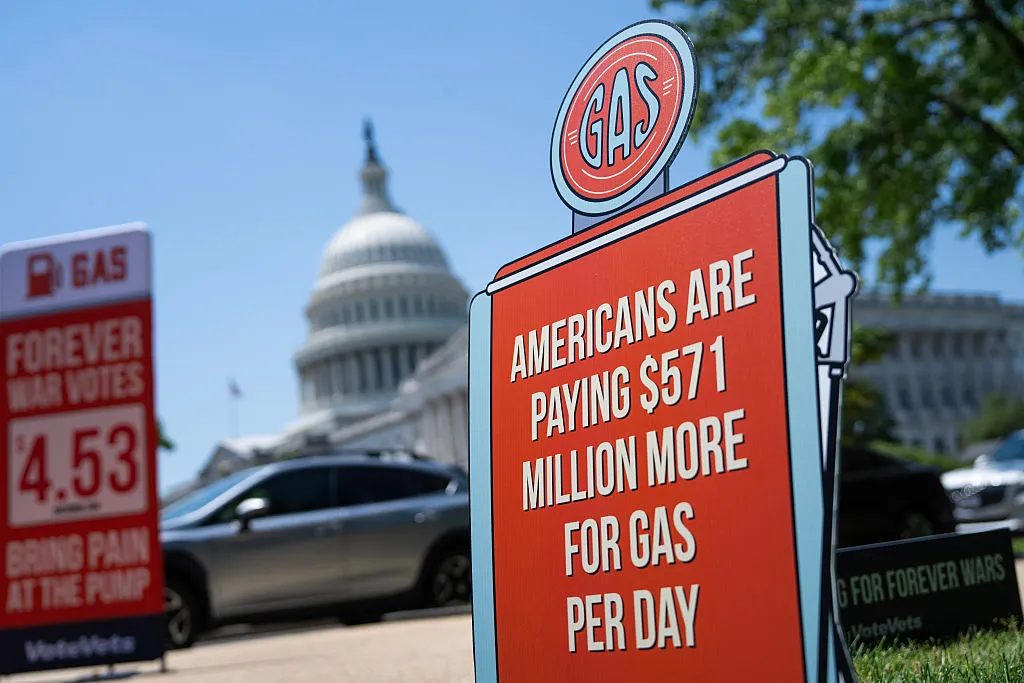
The global economy's deep-rooted dependence on fossil fuels is increasingly evident as a major vulnerability, particularly when juxtaposed with geopolitical tensions and the mounting costs of climate change. A significant conflict involving Iran has already spurred a surge in crude oil prices, leading to sharply higher costs for gasoline and diesel. This price shock has a cascading effect throughout supply chains, most notably impacting the agricultural sector through increased fertilizer and transportation expenses, ultimately driving up food prices for consumers worldwide.
Beyond fuel costs, the strain on energy markets is also reflected in rising electricity bills, exacerbated by the growing demand from sectors like AI and the continued reliance on natural gas for power generation. Concurrently, the escalating impacts of climate change, including more frequent extreme weather events, are imposing substantial economic burdens through disaster relief, rising insurance premiums, and disruptions to food production. This situation underscores the urgent need for a systemic shift away from fossil fuels towards more sustainable and stable energy alternatives to mitigate economic instability and build long-term resilience.