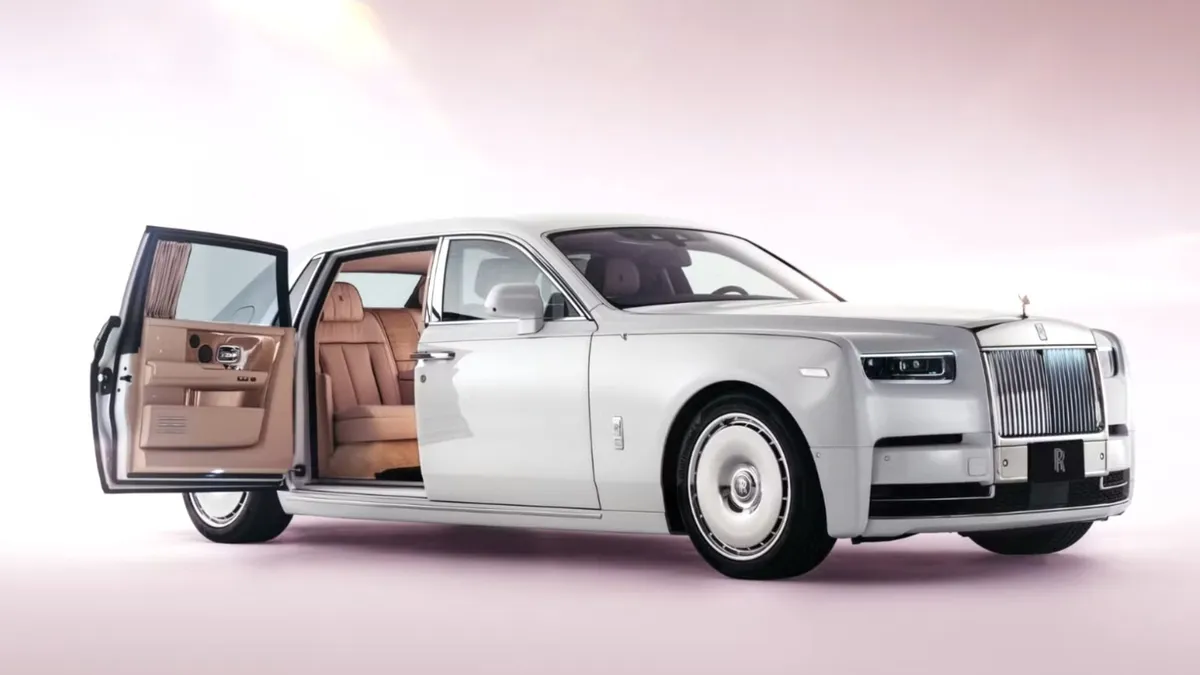
Suicide doors, known for their rear-hinged design reminiscent of horse-drawn carriages, were a common sight in automobiles before the 1960s. This style, also called coach doors, offered a unique aesthetic and entry experience, notably seen on vehicles from Rolls-Royce and Ferrari today. However, their popularity waned significantly due to inherent safety concerns, especially the risk of doors opening unexpectedly while the vehicle was in motion, earning them their ominous name.
The decline was also propelled by evolving safety regulations and crashworthiness standards. The structural integrity of vehicles featuring suicide doors often suffered from the absence of a B-pillar, a critical component for side-impact protection. Although some manufacturers are exploring ways to integrate pillarless coach doors safely, the complexities and costs, combined with changing consumer preferences for practicality and established safety, mean these distinctive doors are unlikely to make a mainstream comeback.