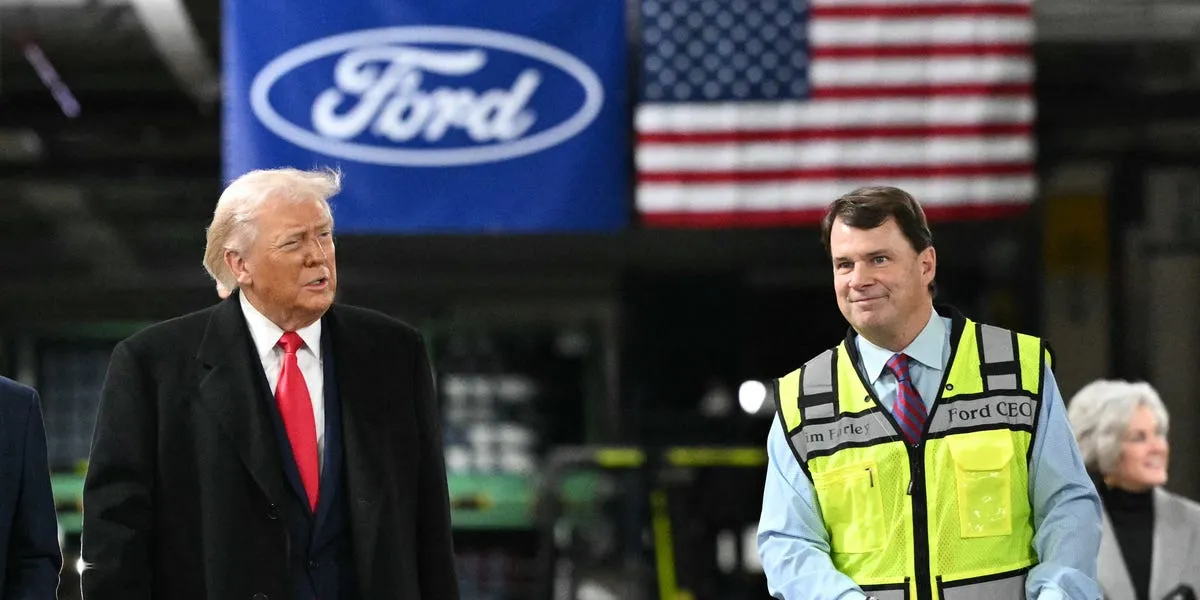
The contentious debate surrounding the "Right to Repair" movement has resurfaced in the automotive sector, prompted by recent discussions involving President Donald Trump and automotive industry executives. Following a meeting, President Trump stated that major manufacturers like General Motors and Ford allegedly aim to restrict consumers from performing repairs on their own vehicles. This assertion has drawn a direct response from Ford CEO Jim Farley, who has clarified the company's stance on the matter amidst considerable public scrutiny and owner dissatisfaction.
The controversy ignited after a June 3 meeting where President Trump's administration engaged with auto industry leaders. While President Trump described the meeting as productive, he expressed surprise and disagreement regarding the industry's alleged desire to limit owner-initiated repairs. He was quoted by the Detroit Free Press stating, "They don’t want people to fix their car. I said, 'That’s strange. I’d never heard of that.'" The President further elaborated on a perceived movement to prevent individuals from repairing their own vehicles, even referencing an unsubstantiated claim about a seven-year jail sentence for a personal car repair.
Addressing the 'Right to Repair' Debate
The President's remarks, particularly the mention of potential jail time for self-repair, appear to be without legal precedent in the United States concerning individuals repairing their own vehicles. While consumer protection agencies do investigate and penalize unlicensed or fraudulent repair businesses, personal repairs by vehicle owners have not historically led to criminal charges. Trump's commentary highlighted a perceived trend among manufacturers to restrict access to parts, diagnostic tools, and repair information, potentially forcing owners into costly dealership service networks, especially as new vehicle prices continue to escalate.
Ford CEO Jim Farley addressed these concerns with carefully chosen language in a statement to the Detroit Free Press. He emphasized that Ford supports the ability for vehicles to be repaired, but stressed the importance of such repairs being conducted at a "reasonable cost." Farley clarified that while he does not oppose owners working on their own cars, he believes it is inappropriate for warranty work to be performed by individuals outside authorized channels due to significant safety concerns. 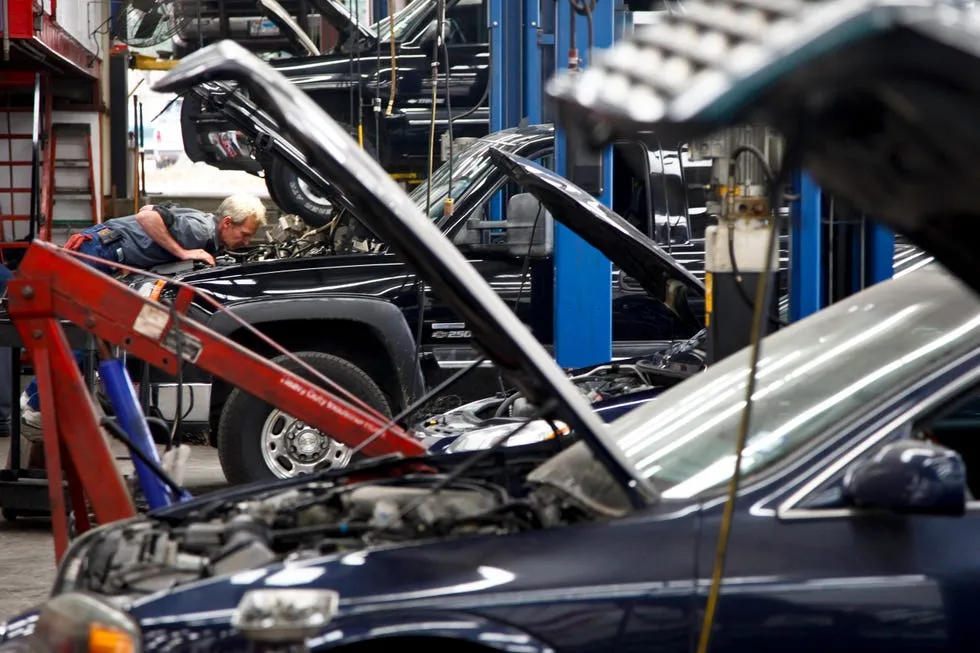
Manufacturer's Perspective on Repair Complexity and Safety
Farley further elaborated on the increasing complexity of modern vehicles, suggesting that the average owner may not possess the necessary skills or specialized tools to perform repairs safely and effectively. He contrasted working on older, simpler vehicles like a classic 1973 Bronco with servicing a brand-new model, citing the need for "all sorts of specialty tools" for contemporary cars. He posited that attempting repairs without the proper knowledge and equipment could "put people’s lives at risk," underscoring a perceived responsibility of manufacturers to ensure the integrity of safety-critical repairs, particularly those covered under warranty. 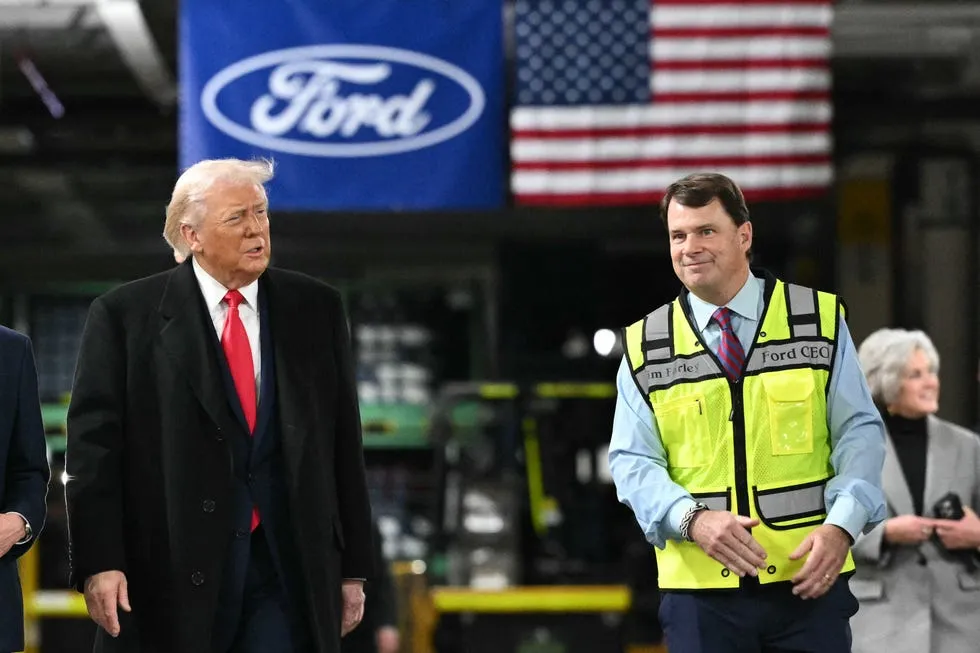
This discussion arrives at a time when independent repair shops are experiencing growth, while dealership service centers are seeing a decline in customer visits. Data indicates a drop in owners utilizing dealer service for repairs over the past eight years, correlating with an increase in independent repair facilities. This shift in repair market dynamics potentially influences manufacturers' perspectives on service and repair accessibility, especially as vehicle ownership duration increases and the average age of vehicles on the road climbs. The legislative landscape for "Right to Repair" remains active, with various bills pending, aiming to provide consumers and independent mechanics with greater access to diagnostic information and parts.
Impact Analysis
The "Right to Repair" debate has significant implications for vehicle owners, independent repair shops, and automotive manufacturers. For consumers, expanded repair rights could lead to lower maintenance costs and increased vehicle longevity. Independent repair shops stand to benefit from greater access to information and parts, potentially leveling the playing field with dealership service centers. Manufacturers, however, often express concerns regarding safety, liability, and intellectual property protection. The ongoing dialogue, amplified by political figures, underscores the complex balance between consumer choice, industry interests, and the evolving nature of automotive technology, particularly with the advent of electric and highly connected vehicles.