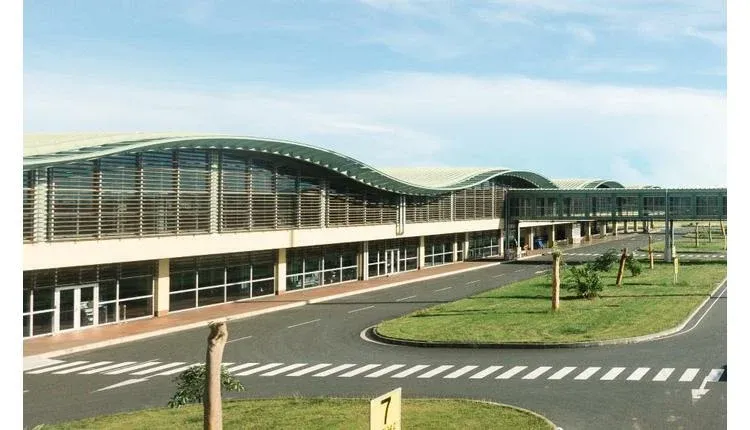
Bohol, Philippines, is emerging as a premier eco-tourism destination, harmonizing its natural wonders with sustainable travel practices. The island's commitment is exemplified by the Bohol-Panglao International Airport, the nation's first eco-airport, which utilizes solar energy and rainwater harvesting. Bohol's unique geological features, including the UNESCO Global Geopark-designated Chocolate Hills, and its rich marine biodiversity, particularly the Danajon Double Barrier Reef, are central to its appeal.
The island actively promotes environmental stewardship through initiatives like the Bilar Man-Made Forest and community-led conservation on Pamilacan Island, where residents now focus on dolphin and whale watching. These efforts ensure that Bohol's natural and cultural heritage is preserved for future generations, offering travelers an opportunity to experience its beauty responsibly and contribute to sustainable development.