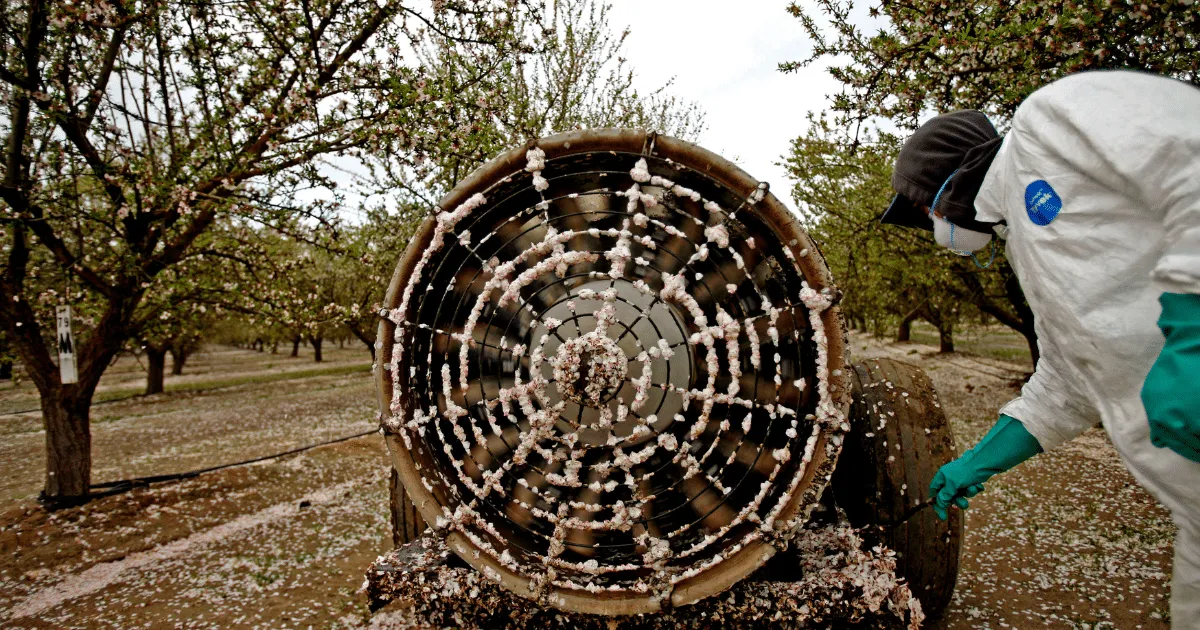
California's thriving almond industry, a cornerstone of the state's agricultural exports, relies heavily on an annual migration of billions of bees. Each spring, beekeepers transport colonies from across the United States to the Central Valley's vast orchards to facilitate the crucial cross-pollination of almond trees. This monumental undertaking sustains a multi-billion dollar industry but raises significant questions about the welfare of these essential pollinators and the broader implications for our food systems.
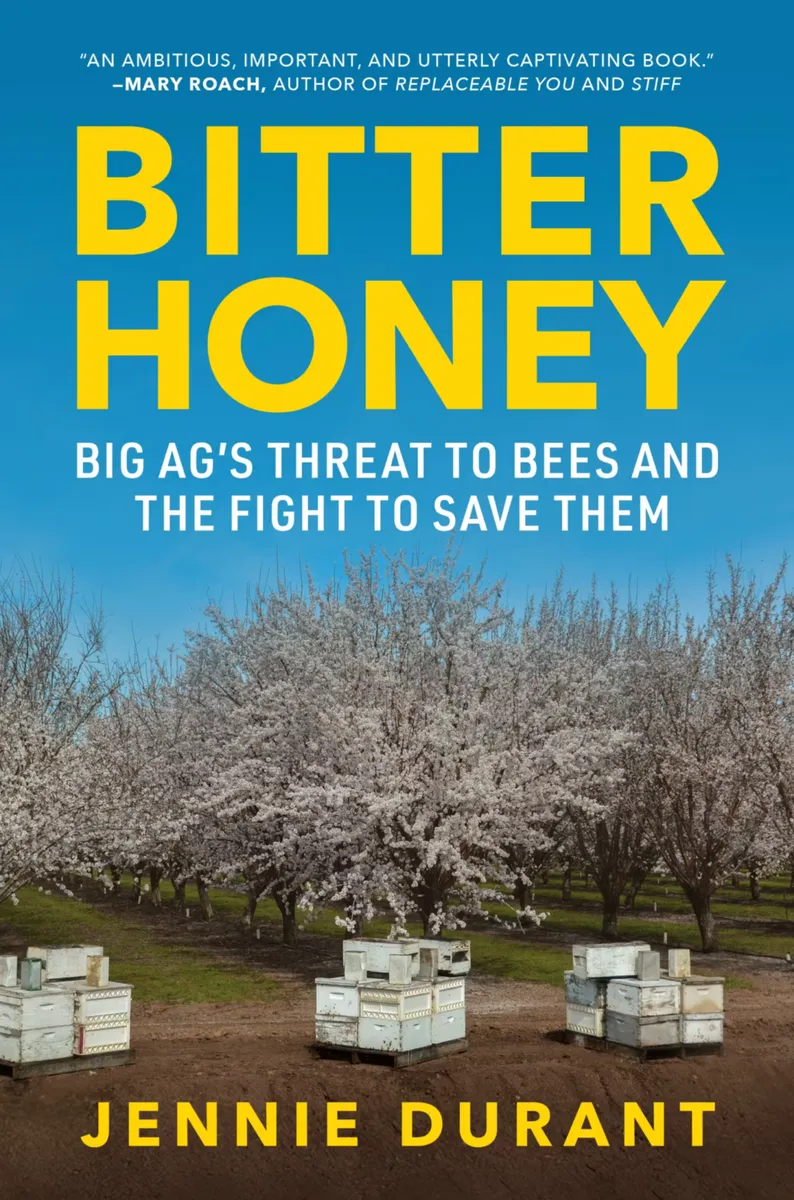
Jennie Durant's book, 'Bitter Honey: Big Ag’s Threat to Bees and the Fight to Save Them,' delves into this complex relationship, revealing how modern beekeeping has transformed into a large-scale livestock operation. Through extensive research and interviews with beekeepers, scientists, and policymakers, Durant uncovers the intense pressures faced by beekeepers and the compromises they make to remain economically viable. The book highlights how an unwavering focus on productivity and efficiency within industrial agriculture has taken a toll on both managed honey bees and native bee populations, impacting ecosystems and agricultural sustainability.
The Historical and Industrial Impact on Bees
Durant traces the historical entanglement of bees with North American agriculture, beginning with their introduction by European settlers. Initially valued for honey and the pollination of non-native crops for livestock, honey bees, much like the settlers, began to reshape the landscape. This expansion, as Durant details, often led to the displacement of native bee species and alterations in plant communities, mirroring broader patterns of ecological change associated with colonization.
A critical turning point, according to Durant, occurred in the post-World War II era. The rise of large-scale, monoculture farming—dominated by commodity crops like corn, wheat, and soy—transformed the role of honey bees. They transitioned from being wild foragers to essential agricultural workers, undertaking demanding seasonal shifts to pollinate crops such as alfalfa and clover, primarily for cattle feed. This industrial shift, as the book illustrates, reshaped American landscapes and propelled crop production, often at the expense of native pollinators and ecological balance.
California Almonds: A Case Study in Industrial Beekeeping
The book dedicates significant attention to the California almond industry, illustrating the immense pressures on beekeepers. Maintaining bee colonies amidst challenges like parasitic infestations, climate change, and the ever-increasing demand from almond growers requires intensive management practices. Durant draws parallels between these beekeeping operations and modern factory farming, noting the use of supplemental feeding, such as "pollen substitute patties," to ensure colonies can meet growers' needs. These practices, while boosting productivity, can contribute to overcrowding and increase the risk of disease transmission among colonies.
The narrative highlights a beekeeper's candid response to questions about scaling down operations: the belief that a successful operation must perpetually grow. This mindset underscores the economic realities driving the industrialization of beekeeping. The book questions whether this relentless pursuit of growth can be sustained without further compromising the health of bees and the integrity of the ecosystems they inhabit. The title itself, "Bitter Honey," reflects this duality—referring both to the acrid honey produced during almond pollination, which bees consume, and the difficult compromises beekeepers must make to survive financially.
Pathways Towards a Sustainable Future for Pollinators
While 'Bitter Honey' confronts the significant challenges facing bees, it also offers a hopeful outlook by exploring practices that can benefit both managed and wild pollinators. Durant profiles individuals and initiatives that are actively working to restore pollinator habitats and promote more sustainable agricultural methods.
The book introduces Pete Berthelsen, who employs prescribed burns on his Nebraska ranch to encourage the growth of native grasses and wildflowers, thereby creating vital food sources for pollinators while suppressing invasive species. Additionally, the book features an almond farmer who cultivates cover crops between her trees, a native plant and pollinator advocate in Oklahoma, and a regenerative farmer in South Dakota integrating bee cultivation into his land management. These examples showcase a move towards agricultural systems that are more in harmony with nature, supporting biodiversity and soil health.
The Debate on Conservation and Agricultural Practices
Durant touches upon the ongoing debate regarding the most effective approaches to nature conservation. This discussion centers on whether agricultural models should aim for deep integration with natural ecosystems or prioritize industrial efficiency while minimizing ecological encroachment. While highlighting the benefits of practices like cover cropping and prescribed burns, the book acknowledges limitations, particularly concerning the effectiveness of regenerative agriculture as a climate solution, although it primarily focuses on the positive impacts on biodiversity and soil health.
The author concludes by offering a simple yet powerful mantra for supporting pollinators: "Plant flowers. Limit Pesticides. Share the land." While these actions are crucial, the book implies that more systemic changes are needed. Durant suggests that the responsibility also lies with the industries and governmental agencies that shape and depend on pollinator populations, advocating for a food system that centers the well-being of pollinators, wildlife, farmers, and the broader community.