As athletes gear up for peak summer performance, the focus often sharpens on intensive training, increased protein intake, or the addition of new supplements. However, a critical, often overlooked, factor that underpins strength, endurance, recovery, and mental acuity is hydration. For individuals engaged in rigorous physical activity, especially in elevated temperatures, maintaining optimal fluid balance is paramount. Simple water consumption may prove insufficient when faced with significant fluid and electrolyte losses through sweat. This is where a comprehensive hydration strategy, incorporating both essential minerals and performance-enhancing compounds, becomes indispensable.
The intricate interplay between hydration, electrolyte balance, and cellular function is fundamental to athletic success. Beyond simply quenching thirst, strategic hydration supports crucial physiological processes, including thermoregulation, muscle contraction, and nerve signaling. When these systems are compromised by dehydration or electrolyte imbalance, performance inevitably suffers. Understanding these mechanisms allows athletes to move beyond basic fluid replacement and adopt a more sophisticated approach to pre-emptively combat the challenges posed by heat and intense training. This leads to a greater capacity for sustained effort, faster recovery, and enhanced overall physical and cognitive output.
The Critical Role of Hydration in Summer Performance
The human body, composed of roughly 60% water, relies on precise fluid balance for every metabolic function. During strenuous exercise, particularly in hot and humid environments, the body’s cooling mechanism, sweat production, escalates significantly. This physiological response, while vital for preventing overheating, leads to the depletion of not only water but also crucial electrolytes. These essential minerals include sodium, potassium, chloride, magnesium, calcium, and phosphorus. Their loss can trigger a cascade of negative effects, diminishing endurance, inducing muscle cramps, accelerating fatigue, reducing strength output, impairing recovery, hindering mental focus, and increasing the risk of heat-related illnesses.
The common misconception that drinking copious amounts of water is the sole solution for hydration is misleading. Excessive water intake without concurrent electrolyte replenishment can actually dilute the body's existing electrolyte concentrations, paradoxically worsening performance and exacerbating imbalances. Therefore, athletes who are serious about their performance must adopt hydration protocols that actively replace both lost fluids and vital electrolytes, ensuring that the body remains in an optimal state for exertion and recovery.

Understanding Electrolytes and Their Functions
Electrolytes are minerals that carry an electrical charge when dissolved in bodily fluids, playing a pivotal role in numerous bodily functions essential for athletic performance. They are instrumental in regulating fluid balance, ensuring that water is distributed appropriately throughout the body and within cells. Furthermore, electrolytes are critical for enabling muscle contractions and facilitating nerve signal transmission, both of which are fundamental to movement and coordination.
Beyond these immediate functions, electrolytes also contribute to the regulation of blood pressure, support energy production pathways, and aid in maintaining stable body temperature. Sodium, in particular, is vital for fluid retention and maintaining blood volume, especially during prolonged exercise. Potassium is crucial for nerve signaling and muscle function, while magnesium aids in muscle relaxation and energy metabolism. Without adequate electrolyte levels, the body’s capacity to transport water efficiently into cells, where it is most needed for metabolic processes, is significantly impaired. This underscores why elite athletes prioritize electrolyte replenishment alongside fluid intake during demanding training sessions.
The Interplay Between Creatine and Cellular Hydration
Creatine, widely recognized for its efficacy in bolstering strength, power, and muscle mass, also possesses a less-discussed but significant role in cellular hydration. Contrary to outdated beliefs that creatine might cause dehydration, its mechanism of action as an osmolyte actually promotes water retention within muscle cells. This process enhances intracellular hydration, contributing to improved cell volume and function, which can be particularly beneficial for athletes during periods of exertion and stress.
Research indicates that creatine supplementation can lead to increased intracellular water, thereby improving overall hydration status. This cellular hydration may translate into enhanced exercise performance, particularly in challenging environmental conditions like heat. Furthermore, studies suggest creatine might aid in moderating sweat rates during exercise, supporting thermoregulation, and facilitating faster recovery post-intense training. When muscle cells are optimally hydrated, their metabolic efficiency increases, potentially leading to greater strength output, improved endurance, and more robust recovery between training bouts. Thus, creatine’s benefits extend beyond mere muscle growth to supporting a more hydrated and functional cellular environment.
Synergistic Benefits: Creatine and Electrolytes Combined
The combined use of electrolytes and creatine presents a compelling strategy for optimizing athletic performance, particularly in the demanding conditions of summer training. Electrolytes facilitate the movement and distribution of water throughout the body, while creatine enhances water uptake and retention within muscle cells. This dual action creates a potent hydration system that addresses performance needs on multiple fronts, supporting both systemic fluid balance and cellular hydration.
This synergy is especially valuable when athletes contend with increased sweat losses, greater electrolyte depletion, elevated core body temperatures, and a heightened risk of dehydration. By concurrently replenishing essential minerals and promoting intracellular water retention, this combined approach can help athletes maintain their hydration status more effectively than relying on either component alone. The synergistic effect ensures that fluids and critical minerals are not only absorbed but also effectively utilized at the cellular level, supporting sustained physical output and quicker recovery.
Optimizing Hydration Through Osmotic Transport
Osmotic transport, the process by which water moves across cell membranes to balance solute concentrations, is a fundamental aspect of effective hydration. Sports nutrition products are often designed to enhance this osmotic process, thereby facilitating the efficient movement of water and electrolytes throughout the body and into cells. While traditional sports drinks frequently incorporate high levels of sugar to accelerate fluid absorption, this approach can have drawbacks.
Excessive sugar intake can potentially slow gastric emptying and contribute unnecessary caloric load without proportional hydration benefits. Modern hydration formulations are increasingly focusing on optimizing electrolyte profiles and achieving a favorable osmotic balance with reduced sugar content. This refined approach aims to promote rapid and effective hydration while mitigating the negative consequences associated with high-sugar beverages, offering a more targeted and efficient solution for athletes.
Beyond Water: Essential Needs for Summer Athletes
The demands placed on the body during summer training extend far beyond basic water requirements, impacting athletes across all disciplines, from bodybuilders and powerlifters to runners and cyclists. Performance can decline significantly even before the sensation of thirst becomes apparent. Research consistently demonstrates that even mild dehydration can negatively affect key performance indicators, including strength, power production, endurance, reaction time, decision-making capabilities, and the efficiency of recovery processes.
For individuals engaged in regular, high-intensity training, hydration must be approached as a strategic performance enhancer, rather than a mere biological necessity. The objective transcends simple fluid replacement, focusing instead on the meticulous optimization of fluid balance, cellular hydration levels, and electrolyte status. By adopting a proactive and comprehensive hydration strategy, athletes can safeguard their performance against the detrimental effects of heat and exertion, ensuring they can train harder and recover more effectively.
A Superior Hydration Solution for Training Athletes
For athletes striving to elevate their hydration and performance during the summer months, products that strategically combine electrolytes with creatine offer a distinct advantage. An example of such an advanced formulation is MHP Impact Hydration, engineered as a next-generation sports drink designed to comprehensively support hydration, performance, and recovery.
This specialized drink differentiates itself from many conventional sports beverages through its robust composition. It delivers a substantial 3,200 mg of electrolytes and trace minerals, alongside 3,000 mg of creatine monohydrate. Furthermore, it incorporates natural ingredients like coconut water and contains a minimal 4 grams of cane sugar, deliberately excluding artificial sweeteners, colors, and flavors. The electrolyte profile is particularly noteworthy, offering significantly higher concentrations of sodium, chloride, potassium, magnesium, calcium, and phosphorus than typically found in standard sports drinks.
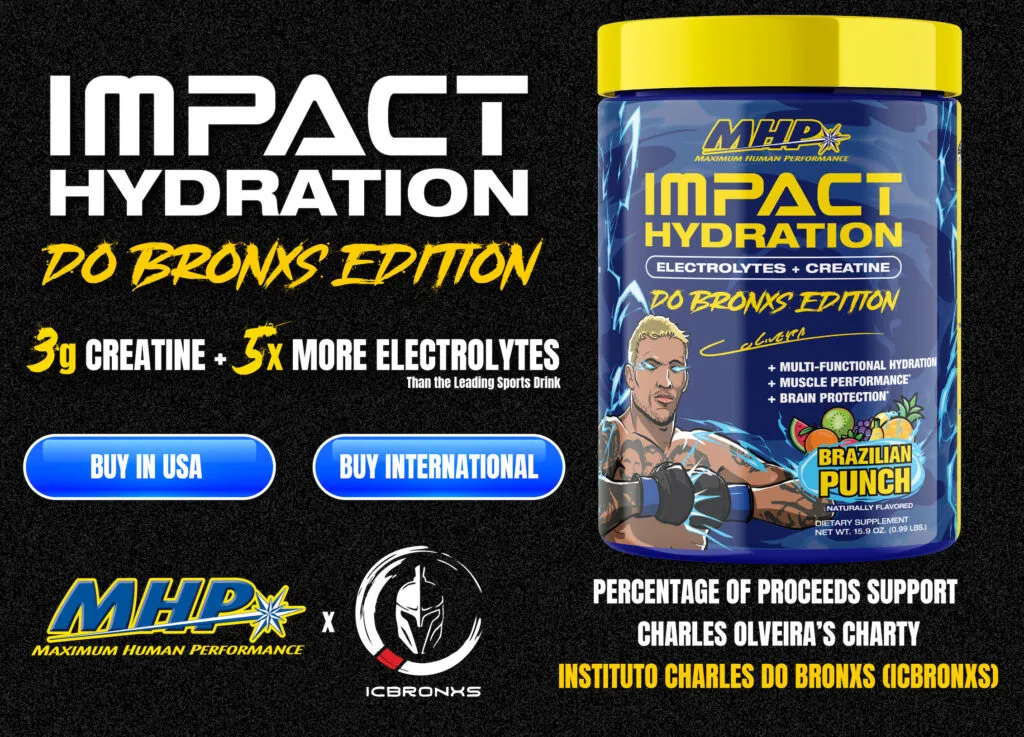
The inclusion of creatine monohydrate is a key differentiator, leveraging its established benefits for strength and power while enhancing cellular hydration and aiding the transport and absorption of water and electrolytes. This integrated approach enables athletes to simultaneously address multiple facets of performance: optimizing hydration, boosting strength, expediting recovery, managing heat stress, and supporting optimal muscle function. Emerging research also highlights creatine's potential neuroprotective properties, further underscoring its value for athletes, particularly in contact sports where head impacts are a concern.
Expert Takeaway: A Holistic Approach to Summer Hydration
From a performance perspective, hydration should be integrated into an athlete's overall training and nutrition plan, rather than being considered an afterthought. While training regimens, dietary strategies, and supplementation protocols receive considerable attention, their effectiveness can be severely undermined by inadequate hydration. Electrolytes are crucial for maintaining fluid equilibrium, supporting muscle function, and optimizing performance, while creatine further enhances cellular hydration and provides proven benefits for strength and recovery.
The synergy between electrolytes and creatine establishes a potent hydration strategy capable of helping athletes perform at their zenith when ambient temperatures rise. A common pitfall for athletes is delaying hydration until thirst arises, by which point performance may already be compromised. A more effective strategy involves consistent fluid and electrolyte intake before, during, and after training, tailored to the individual's workout intensity, sweat rate, and environmental conditions. This proactive approach ensures optimal physiological function and sustained athletic output throughout the demanding summer season.
FAQ
Is water enough for summer workouts? For short or low-intensity exercise, water may be sufficient. However, for intense training, prolonged sessions, or in hot and humid conditions, athletes will likely benefit from electrolytes to replenish minerals lost through sweat.
Does creatine dehydrate you? Current scientific evidence does not support the notion that creatine causes dehydration in healthy athletes. In fact, creatine may enhance intracellular water retention, which can contribute to a slight increase in body weight due to water uptake.
Should bodybuilders use electrolytes? Yes, especially during periods of high-volume training, intense summer workouts, contest preparation, or any time experiencing significant sweating. Electrolytes are vital for supporting fluid balance, proper muscle contractions, and overall performance.
Can you take creatine and electrolytes together? Absolutely. Creatine and electrolytes can be effectively combined as part of a comprehensive hydration and performance strategy, particularly for athletes training in warm or hot environments.
What is the most important electrolyte for athletes? During periods of heavy sweating, sodium often emerges as the most critical electrolyte due to its role in maintaining fluid balance and supporting blood volume during exercise.
Final Thoughts
Hydration often represents the most significant yet overlooked component of summer athletic performance. While training intensity, nutritional intake, and specific supplements garner substantial focus, none can compensate for the deleterious effects of dehydration. Electrolytes are fundamental for maintaining fluid balance, enabling muscle contractions, and optimizing physiological function. Concurrently, creatine enhances cellular hydration while delivering well-documented advantages for strength and recovery.
The combined application of electrolytes and creatine constitutes a powerful hydration strategy, enabling athletes to achieve peak performance when faced with elevated temperatures. The optimal approach involves proactive hydration—before, during, and after training—customized to individual exertion levels, sweat rates, and environmental factors, thereby ensuring sustained physical capacity and maximizing athletic potential throughout the summer months.