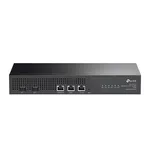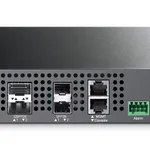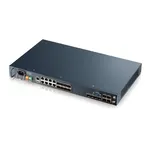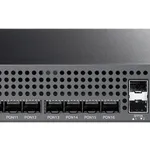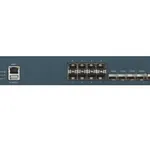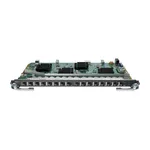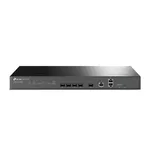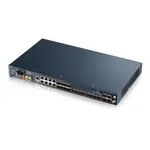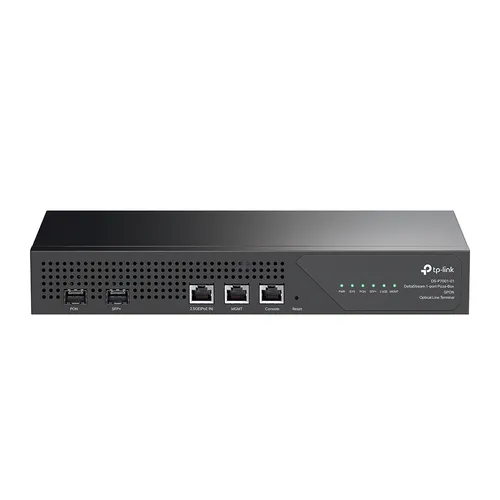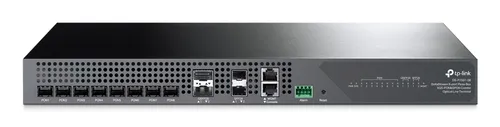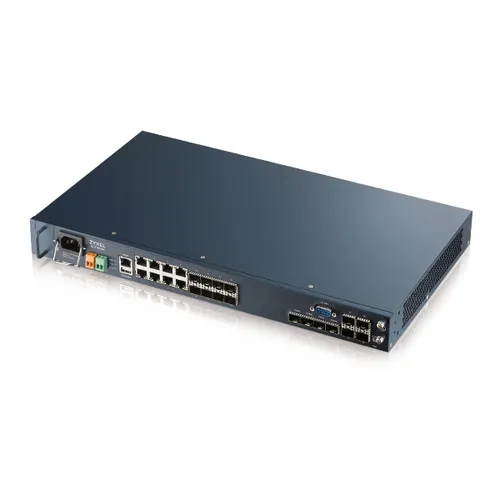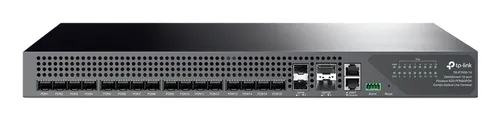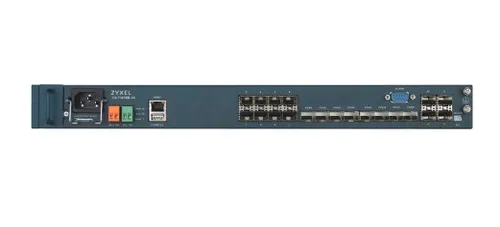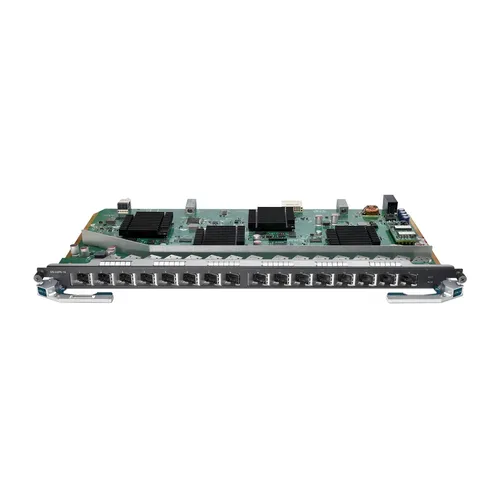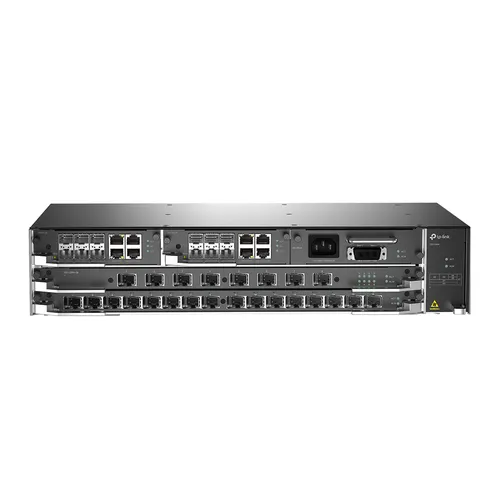


TP-Link DeltaStream Chassis OLT-X2 Optical Line Terminal
TP-Link DeltaStream Chassis OLT-X2 Optical Line Terminal
No stores registered at this time
Contact Us
Specifications
Features
Features
| Switching capacity |
200 Gbit/s
|
|---|---|
| Switch layer |
L2/L3
|
| Static route |
Yes
90% have it
|
| DHCP relay |
Yes
82% have it
|
| Multicast support |
Yes
70% have it
|
| IGMP snooping |
Yes
68% have it
|
| Multicast Listener Discovery (MLD) snooping |
Y
|
| Quality of Service (QoS) support |
Yes
93% have it
|
| Access Control List (ACL) |
Yes
60% have it
|
Ports & interfaces
Ports & interfaces
| Networking standards |
IEEE 802.1p
|
|---|---|
| Ethernet LAN (RJ-45) ports |
8
|
| GPON ports quantity |
32
84% better than others
|
Power
Power
| AC input voltage |
100 - 240 V
|
|---|---|
| DC voltage range |
-38.4 - -57.6 V
|
Sustainability
Sustainability
| Sustainability compliance |
Yes
75% have it
|
|---|
Operational conditions
Operational conditions
| Operating temperature (T-T) |
0 - 50 °C
|
|---|---|
| Storage temperature (T-T) |
-40 - 70 °C
|
| Operating relative humidity (H-H) |
10 - 90%
|
| Storage relative humidity (H-H) |
5 - 90%
|
Certificates
Certificates
| Compliance certificates |
CE, Federal Communications Commission (FCC)
|
|---|
Weight & dimensions
Weight & dimensions
| Width |
446
mm
53% better than others
|
|---|---|
| Depth |
271.3
mm
59% better than others
|
| Height |
88
mm
60% better than others
|
Disclaimer: Information on this page may need review. If you notice any discrepancies, please report them

The TP-Link DeltaStream Chassis OLT-X2 represents a significant advancement in Optical Line Terminal (OLT) technology, designed for high-density fiber-to-the-home (FTTH) deployments and enterprise network aggregation. This chassis-based OLT is engineered to provide robust performance, scalability, and reliability, making it a cornerstone for service providers looking to expand their fiber optic infrastructure efficiently. Its modular design allows for flexible configuration, ensuring that network operators can tailor the OLT to meet specific bandwidth demands and subscriber counts without over-provisioning hardware.
Key to the DeltaStream OLT-X2's value proposition is its high port density and advanced switching fabric, enabling it to support a vast number of GPON or XG-PON ports from a single unit. This translates directly into reduced rack space, lower power consumption per subscriber, and simplified management compared to distributed OLT solutions. The platform's focus on carrier-grade features, such as redundant power supplies and management modules, ensures maximum uptime and service continuity, critical for maintaining subscriber satisfaction in competitive broadband markets. Its integration capabilities with existing network management systems (NMS) further streamline operations, offering comprehensive monitoring and control.
Pros & Cons
Pros
What we love about this product
- High Port Density: Supports a large number of GPON/XG-PON ports within a compact chassis, ideal for high-density deployments.
- Scalability: Modular design allows for easy expansion of capacity as network demands grow.
- Carrier-Grade Reliability: Features redundant power and management modules for enhanced uptime and service continuity.
- Efficient Resource Utilization: Optimized for lower power consumption per subscriber, reducing operational costs.
Cons
Points to consider before buying
- Initial Investment Cost: Chassis-based OLTs typically require a higher upfront investment compared to fixed-configuration units.
- Complexity in Configuration: Advanced features may require specialized technical expertise for initial setup and ongoing management.
- Vendor Lock-in Potential: Reliance on TP-Link's specific management ecosystem might limit interoperability with third-party NMS solutions if not carefully planned.