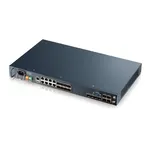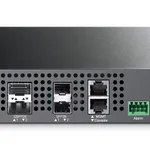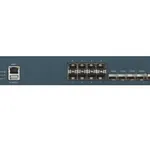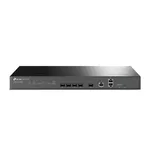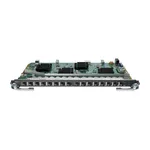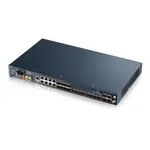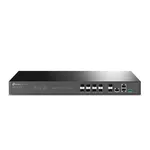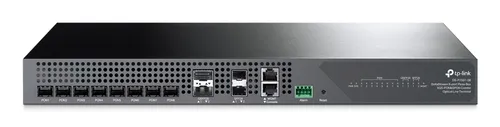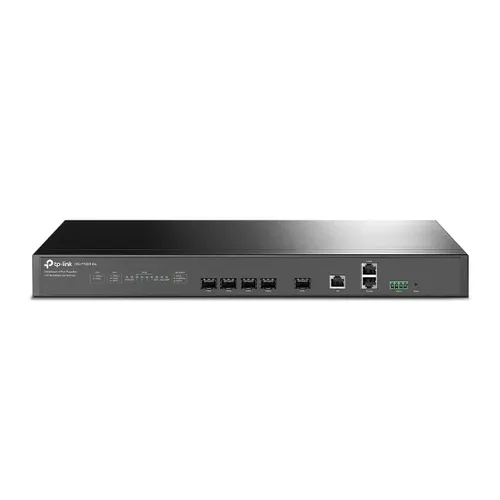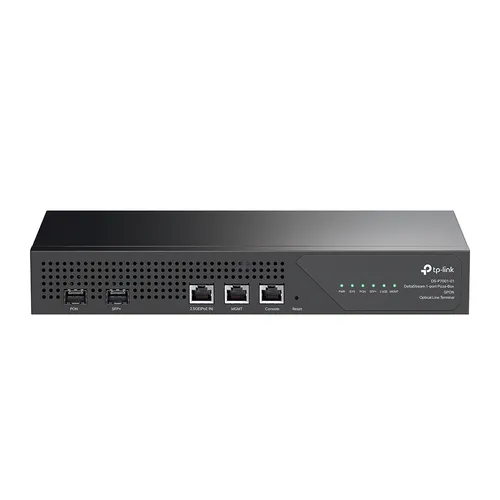


TP-Link DS-P7001-01 Optical Line Terminal (OLT)
Specifications
Features
Features
| Static route |
Yes
85% have it
|
|---|---|
| DHCP server |
Yes
88% have it
|
| DHCP relay |
Yes
72% have it
|
| IGMP snooping |
Yes
68% have it
|
| Quality of Service (QoS) support |
Yes
84% have it
|
| Maximum operating distance (GPON) |
60000
m
73% better than others
|
| Reset button |
Yes
88% have it
|
| Access Control List (ACL) |
Yes
60% have it
|
Ports & interfaces
Ports & interfaces
| Upstream ports |
10G Ethernet
|
|---|---|
| Ethernet LAN (RJ-45) ports |
1
|
| GPON ports quantity |
1
|
| SFP/SFP+ slots quantity |
1
|
Power
Power
| Power consumption (max) |
17
W
67% better than others
|
|---|
Operational conditions
Operational conditions
| Operating temperature (T-T) |
0 - 50 °C
|
|---|---|
| Storage temperature (T-T) |
-40 - 70 °C
|
Weight & dimensions
Weight & dimensions
| Width |
294
mm
55% better than others
|
|---|---|
| Depth |
140
mm
51% better than others
|
| Height |
44
mm
29% better than others
|
Disclaimer: Information on this page may need review. If you notice any discrepancies, please report them

The TP-Link DS-P7001-01 represents a robust solution within the Optical Line Terminal (OLT) market, designed for scalable and efficient fiber-to-the-home (FTTH) deployments. As a key component in passive optical networks (PON), this OLT facilitates the distribution of high-speed internet services to end-users. Its architecture is built to support a significant number of subscribers, making it suitable for both enterprise-level network providers and expanding telecommunication infrastructures. The device's core functionality lies in its ability to manage and aggregate traffic from multiple Optical Network Units (ONUs) or Optical Network Terminals (ONTs) connected via fiber optic cables.
Analyzing the DS-P7001-01 within the current OLT landscape, its value proposition hinges on its blend of performance, manageability, and the reliability associated with the TP-Link brand. While specific port configurations and advanced features like Quality of Service (QoS) prioritization, traffic shaping, and security protocols are critical for network performance, the foundational design of this OLT aims to provide a stable and high-throughput backbone for service delivery. Network administrators will find its integration capabilities and potential for high port density particularly attractive for expanding network reach and subscriber capacity without compromising service quality. The device is engineered to handle the demanding requirements of modern broadband services, including high-definition video streaming, online gaming, and extensive data transfer.
Pros & Cons
Pros
What we love about this product
- High Capacity Potential: Designed to manage a significant number of downstream ONUs/ONTs, enabling scalable FTTH deployments.
- Reliable Brand Association: Benefits from TP-Link's established reputation for networking hardware reliability and support.
- Core OLT Functionality: Provides essential features for managing and aggregating traffic in a PON infrastructure.
- Foundation for Broadband Services: Capable of supporting high-bandwidth demands for modern internet applications.
Cons
Points to consider before buying
- Limited Public Specification Detail: Specific port counts (GPON/EPON), uplink capacities, and advanced management features are not detailed in the provided context, hindering a full technical assessment.
- Potential for Vendor Lock-in: As with many OLTs, compatibility with specific ONU/ONT models may be a consideration.